توثيق الشهادة
Bearing Witness
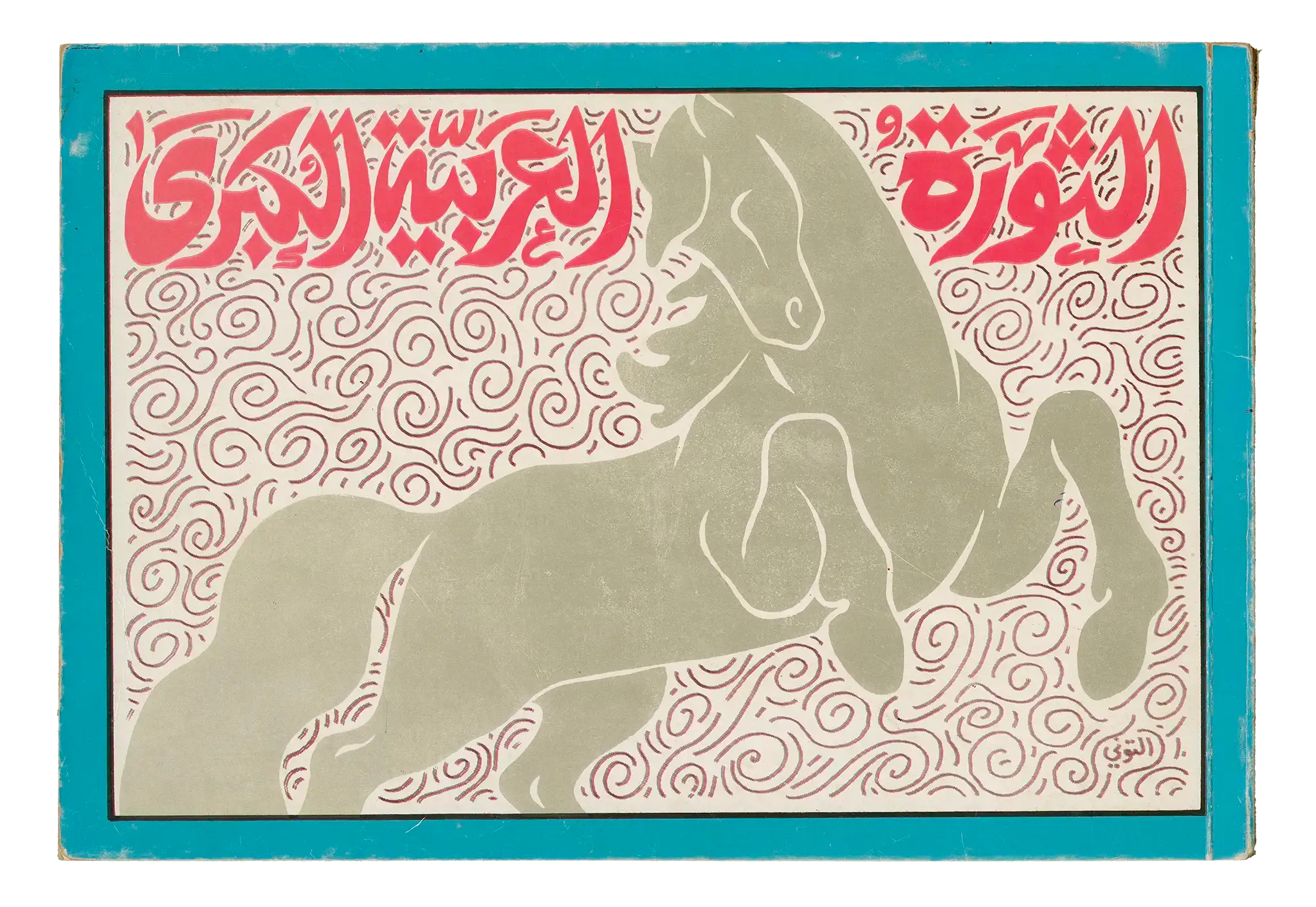
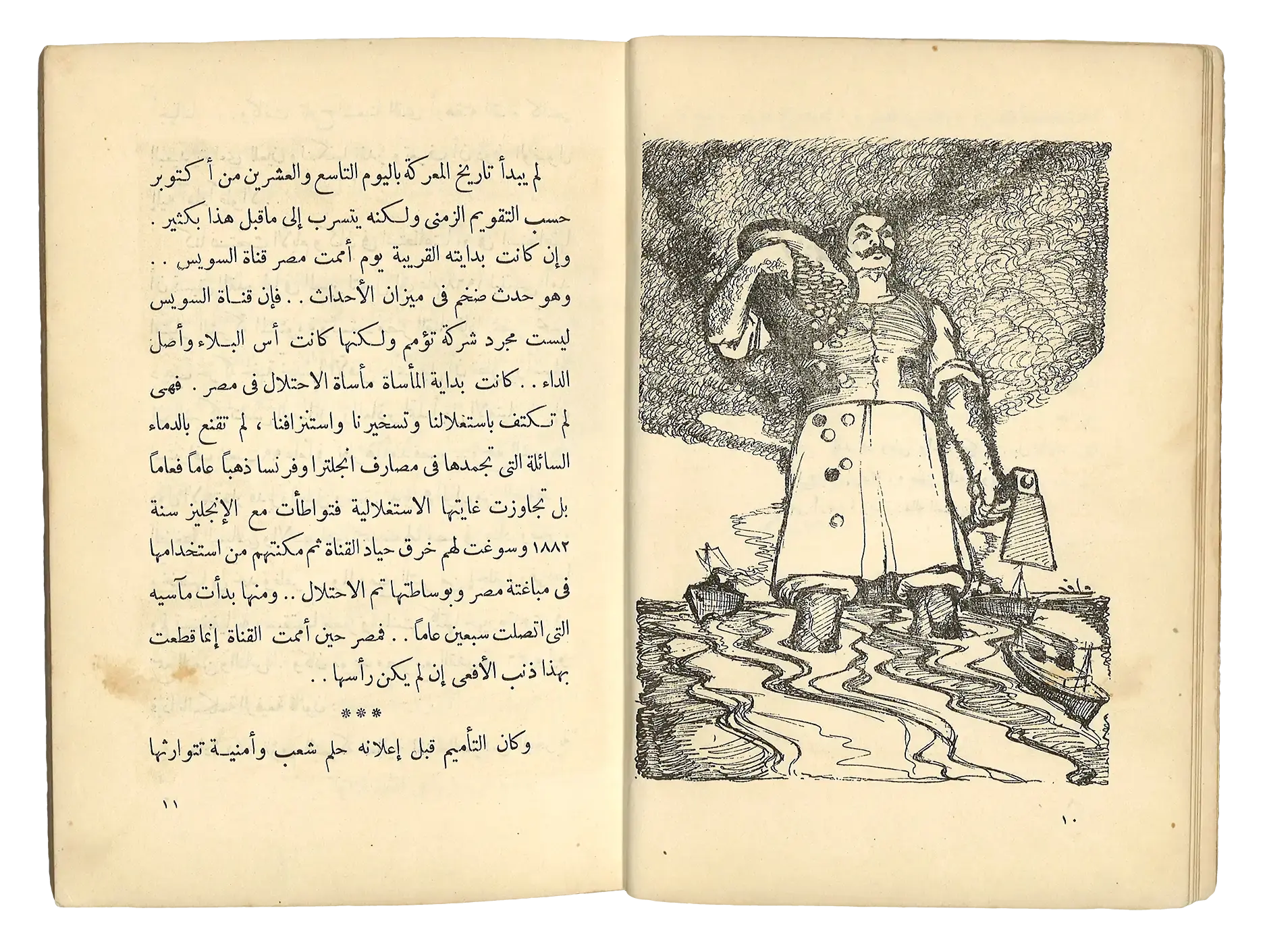
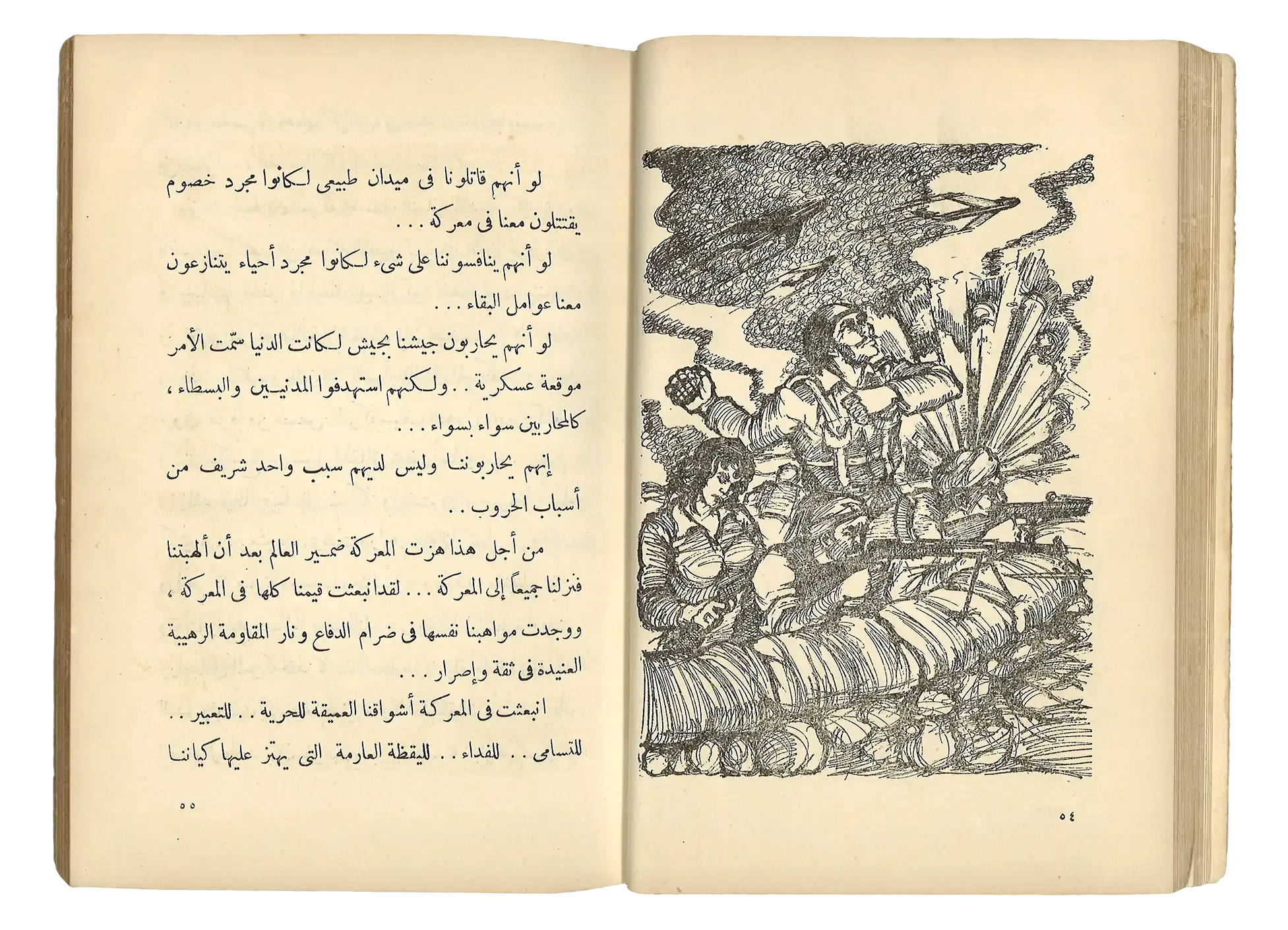
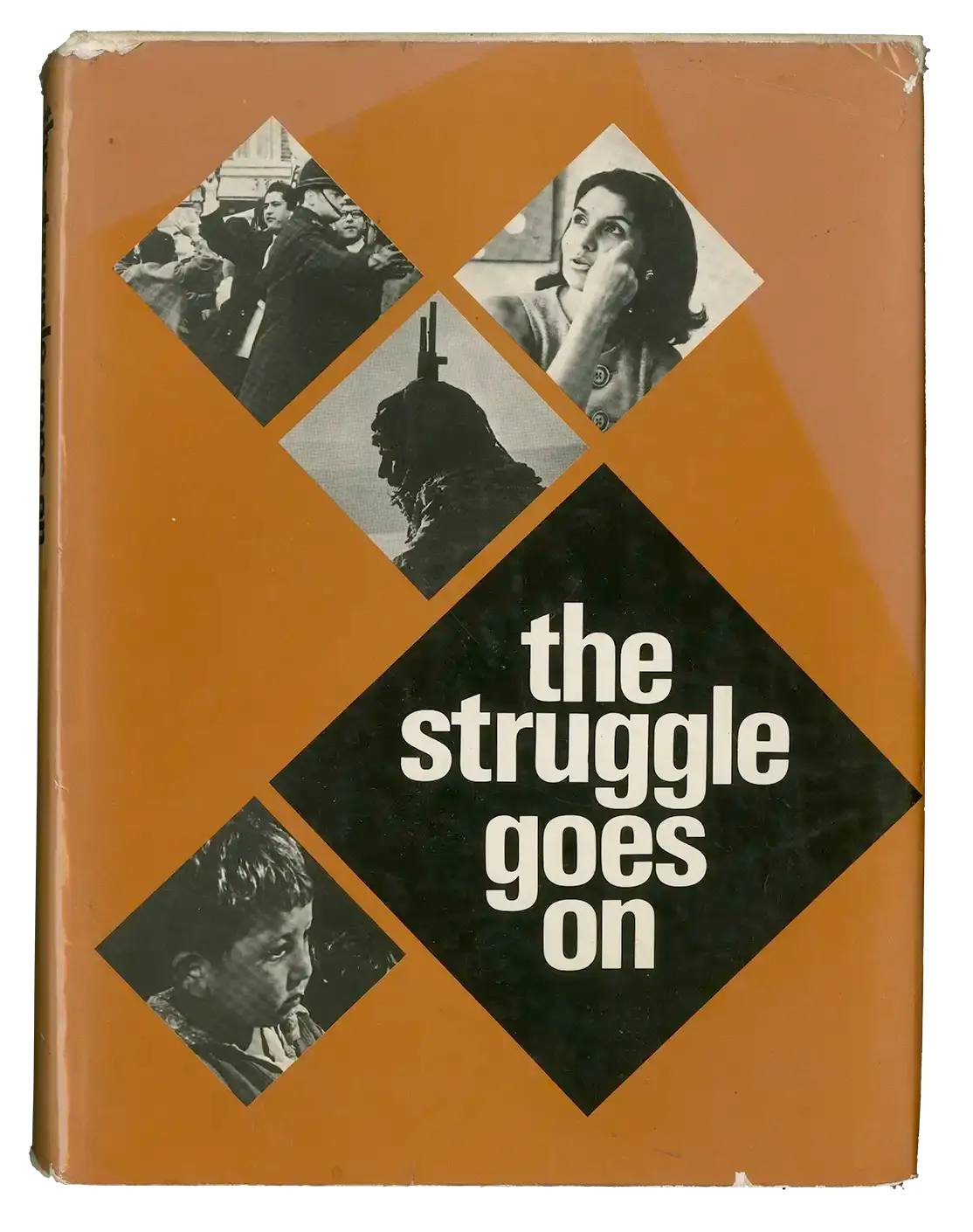
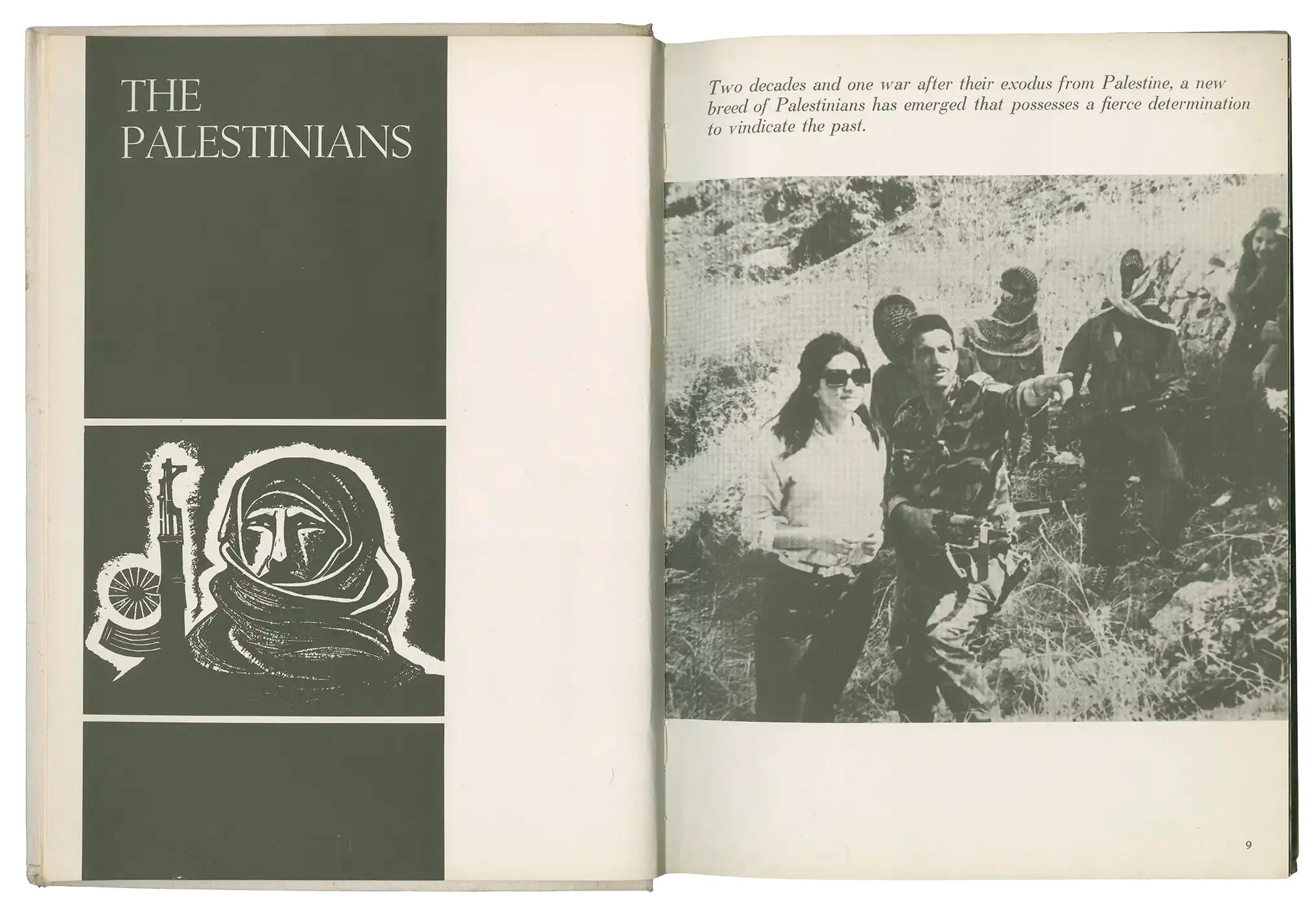
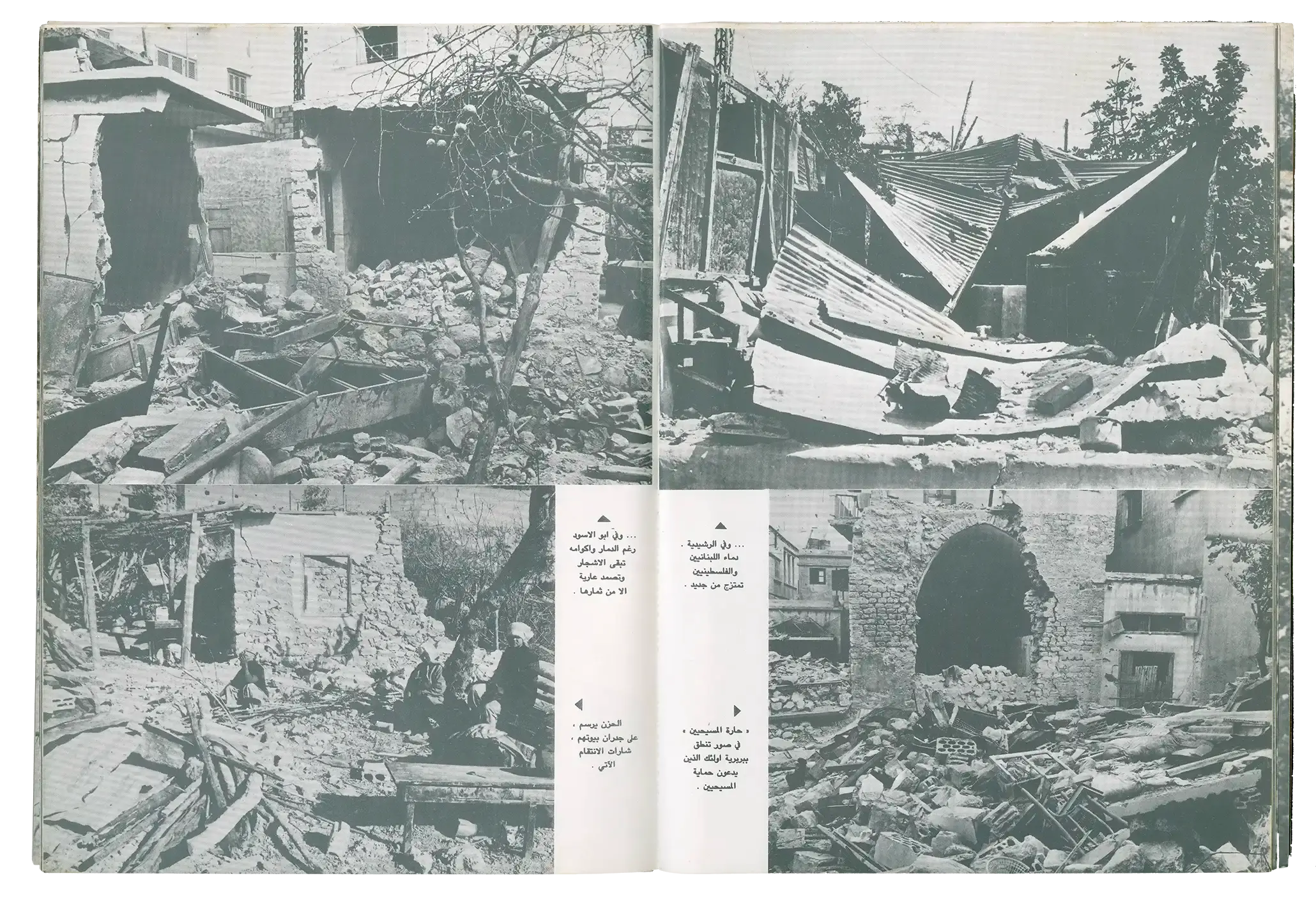
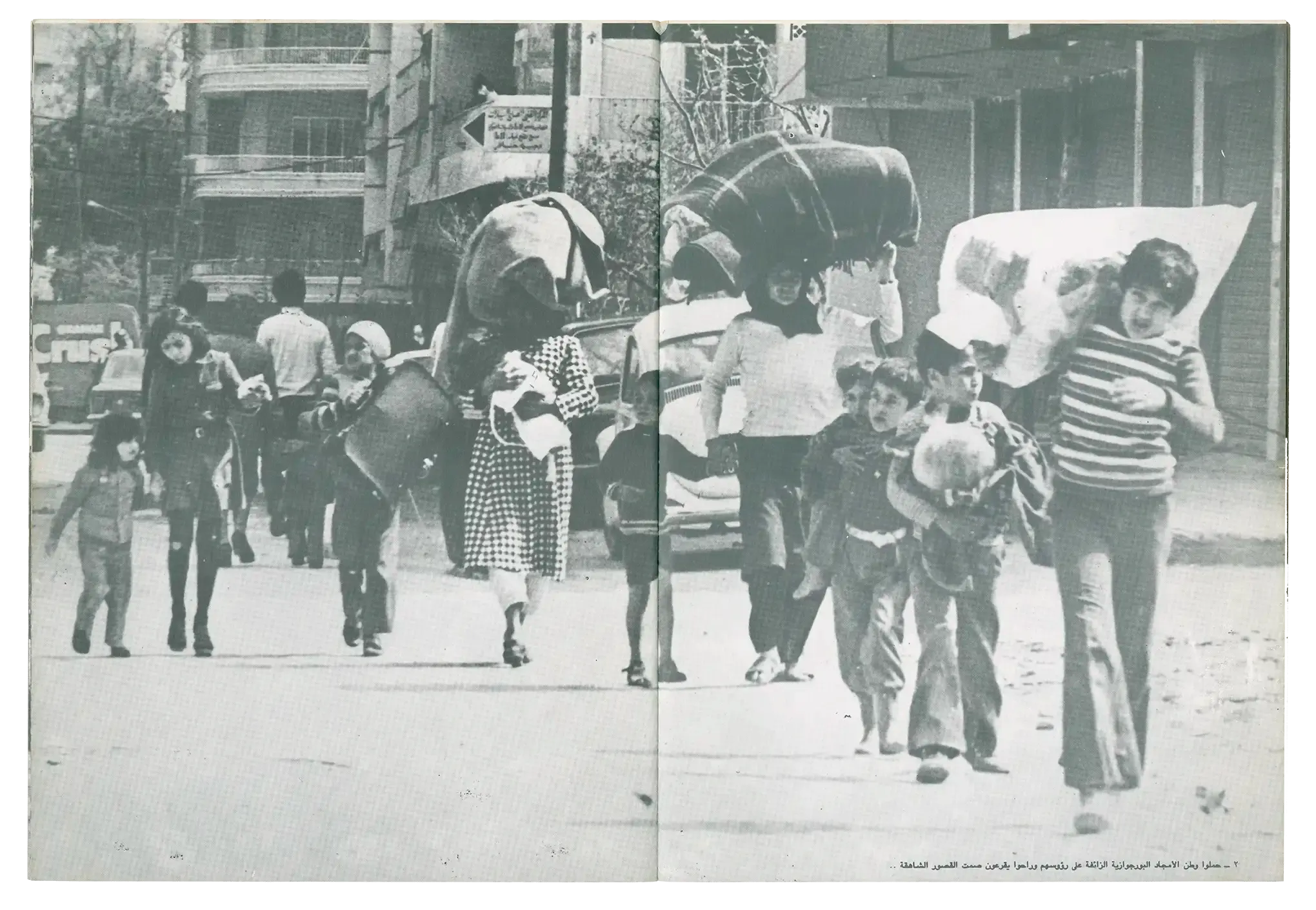
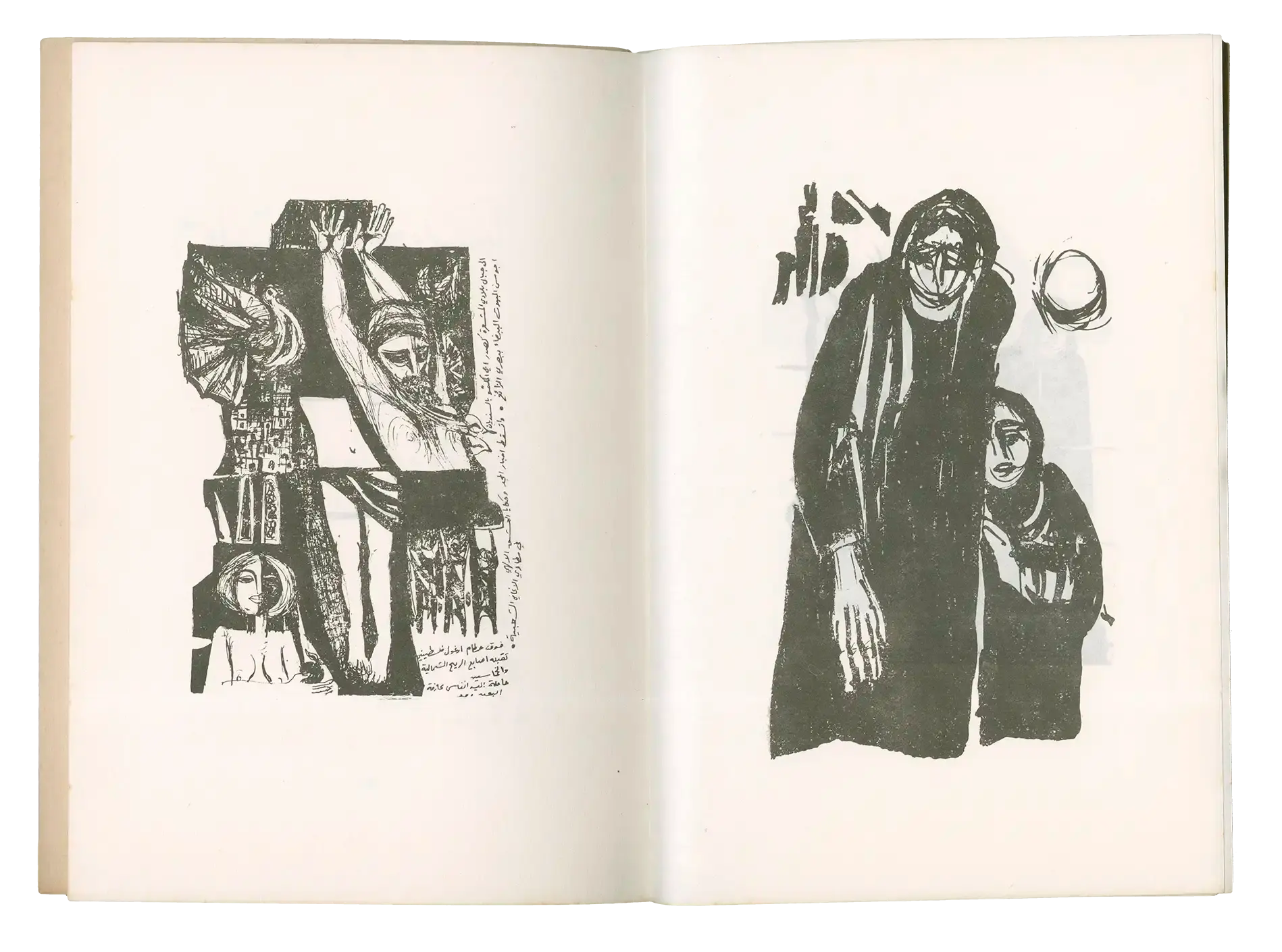
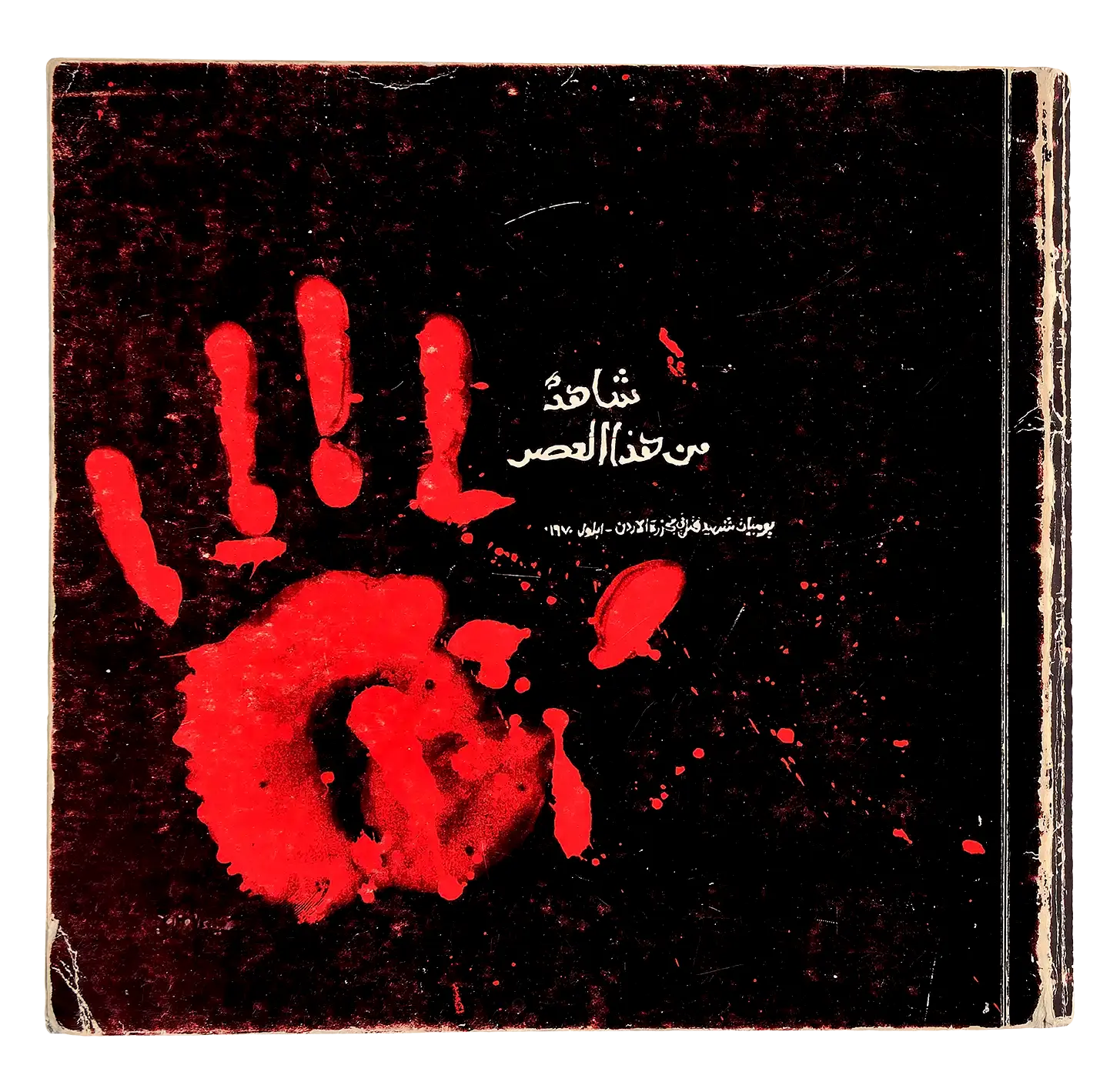
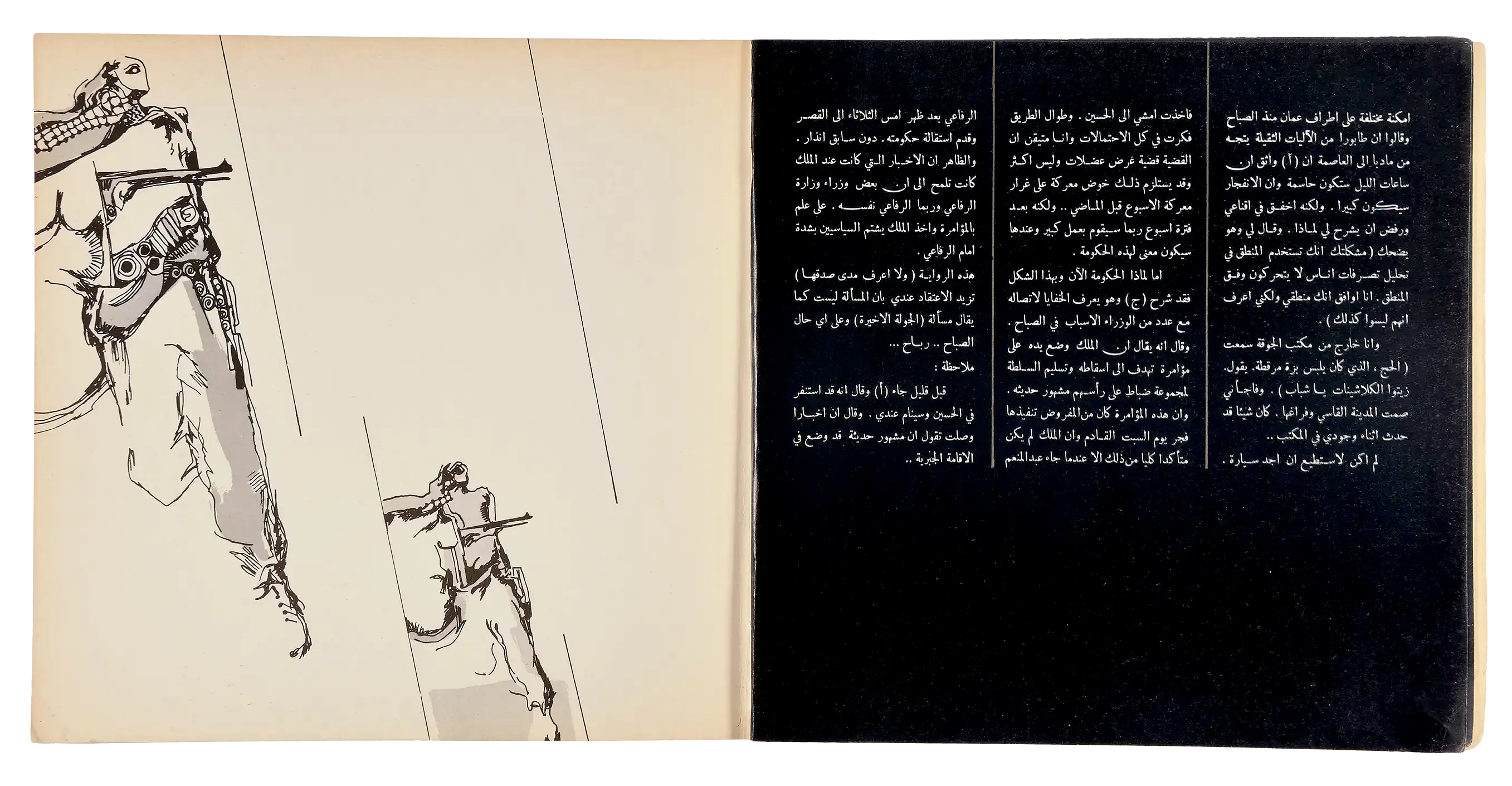
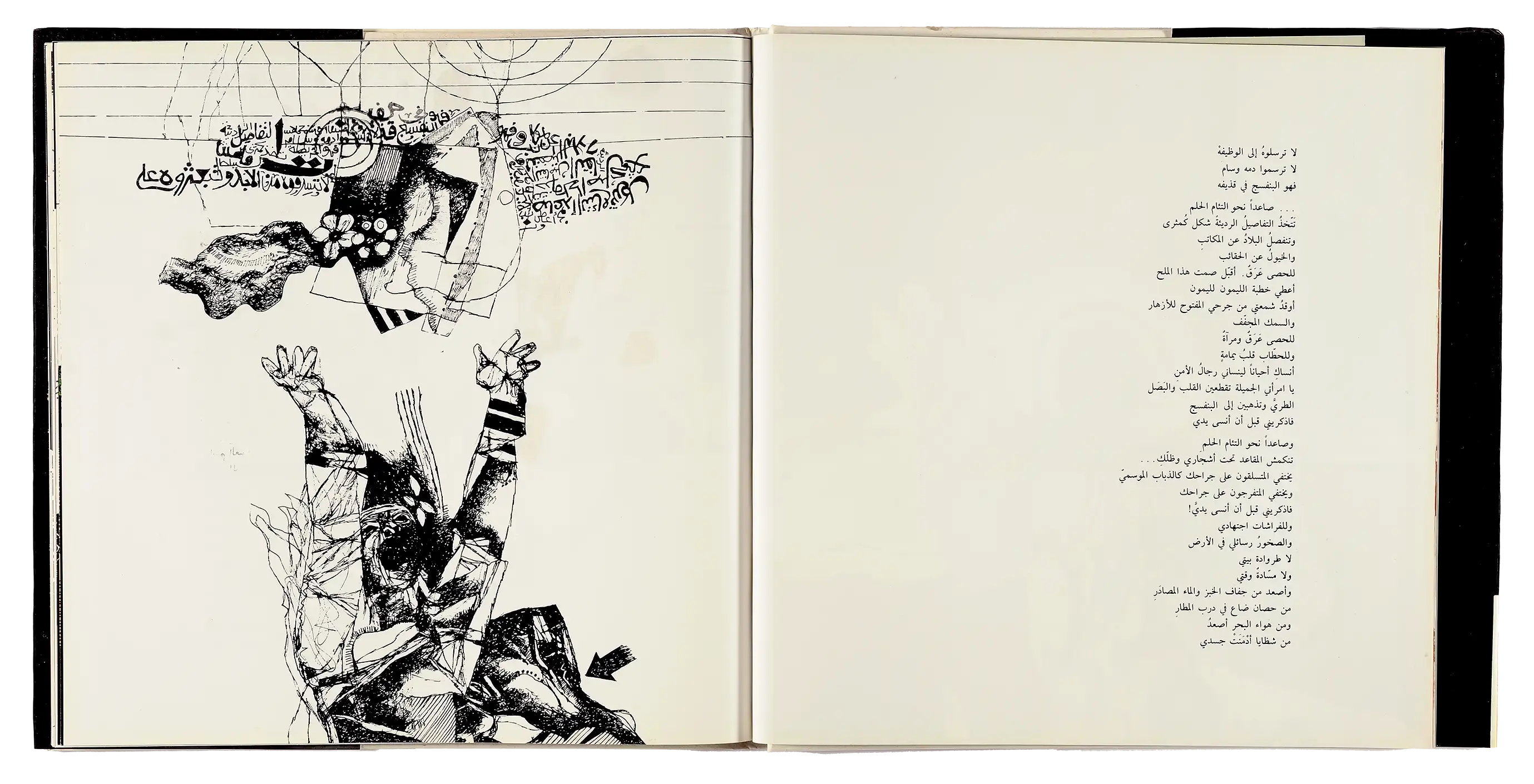
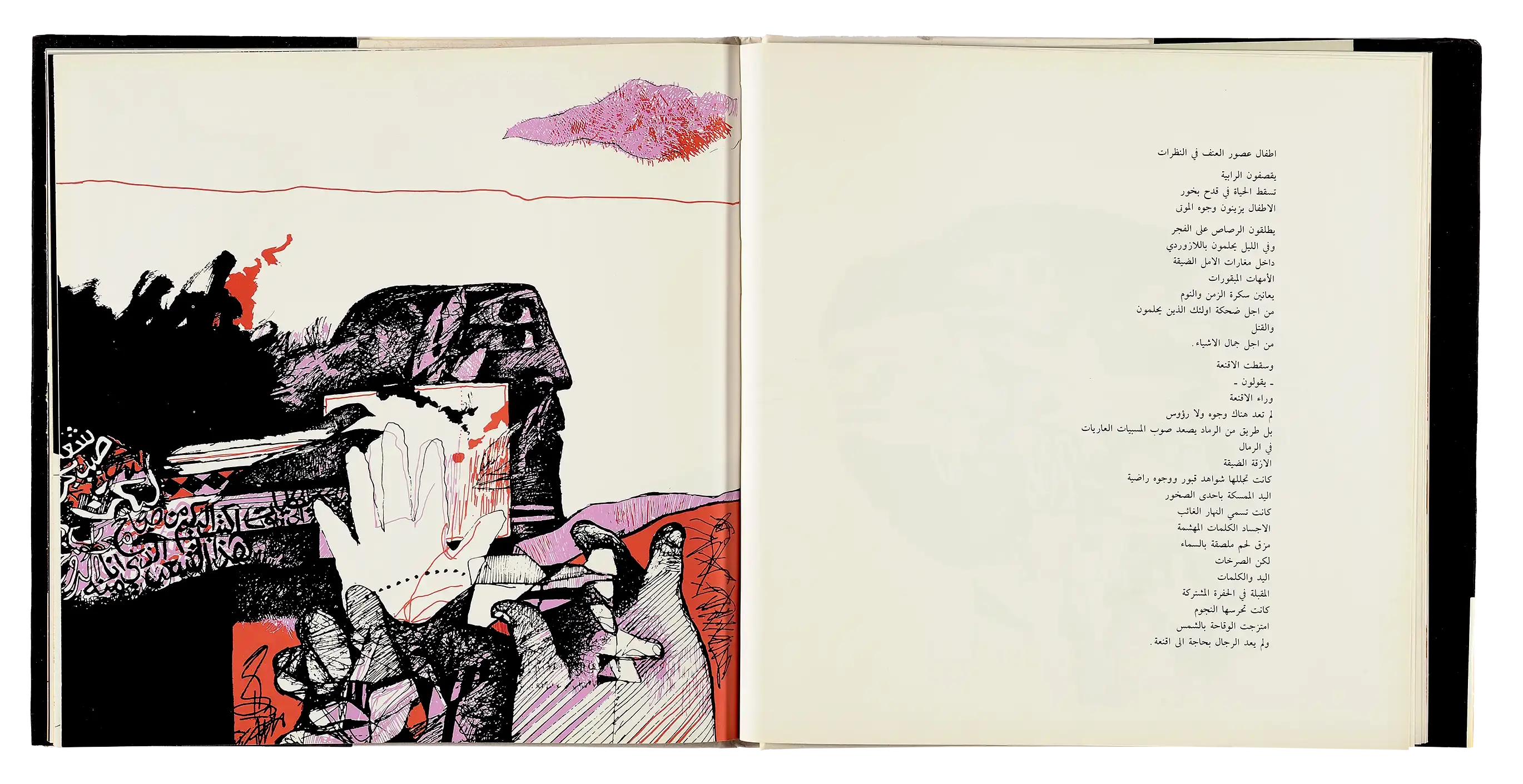
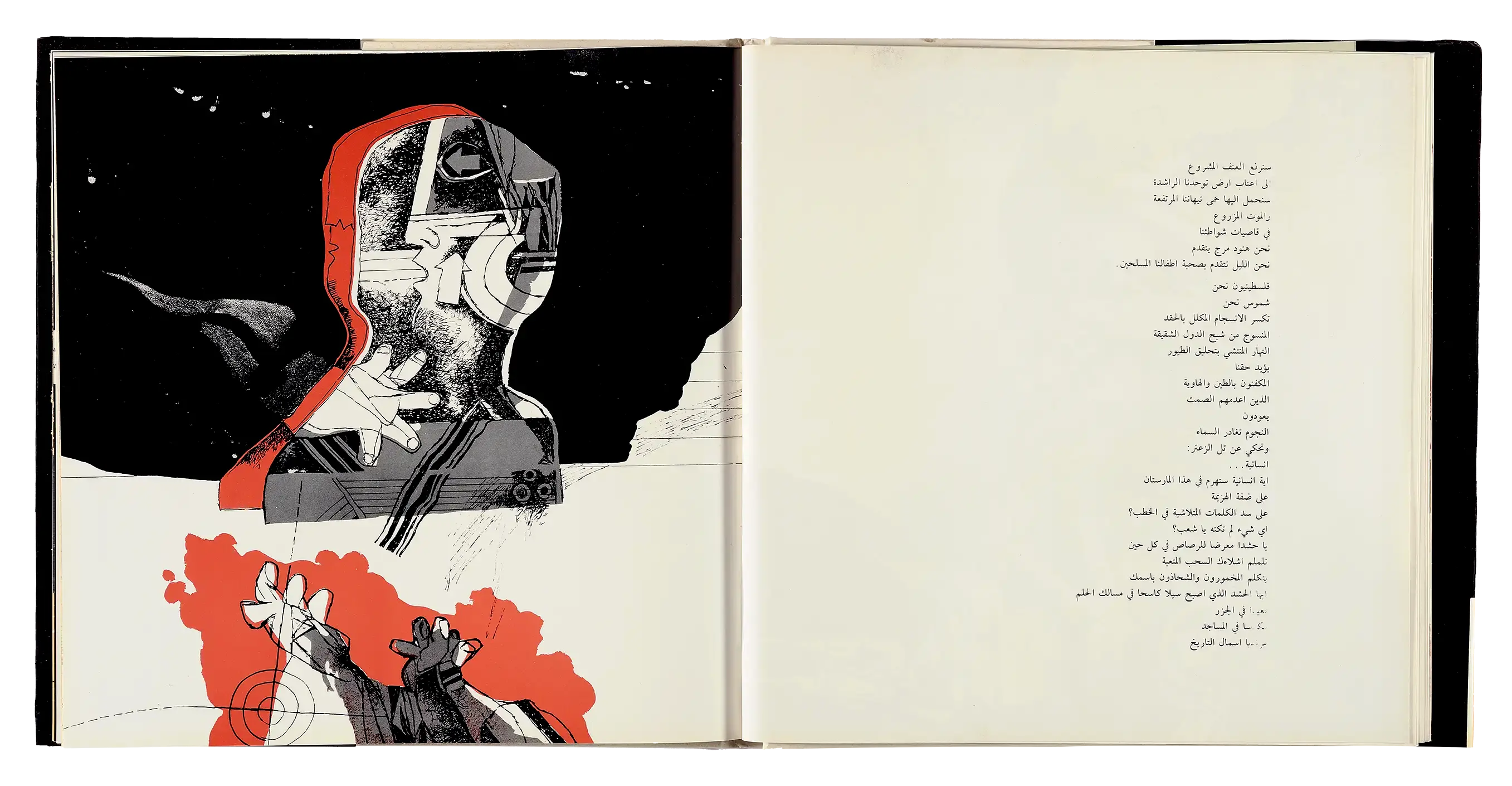
A particularly significant feature of Arabic books from this period is the increasing political use of visual narratives, enlisting both the documentary and affective power of imagery. Illustrated books offer both detached visual evidence and emotionally charged aesthetic expression. They mediate testimonies of traumatic loss and experiences of war, while also invoking agency, demanding freedom and justice, celebrating heroic figures, commemorating martyrs, and making their cause visible. In visually striking ways, these books creatively transform collective memories—especially of those denied speech and visibility—into public knowledge. In short, these books are made to bear witness through their visual narratives.
The rise of such predominantly pictorial books coincides with the growth of visual activism during the 1960s and ’70s, both in the Arab world and globally. Messages of protest and calls for action are extended from iconic documentary photographs, ephemeral posters, and radical periodicals to the in-depth, full-length exploration found in books. Often published in multiple language editions, these books reach beyond Arabic-speaking communities. They are made to travel, to build transnational networks of solidarity and to appeal to international readers in the hope of justice.
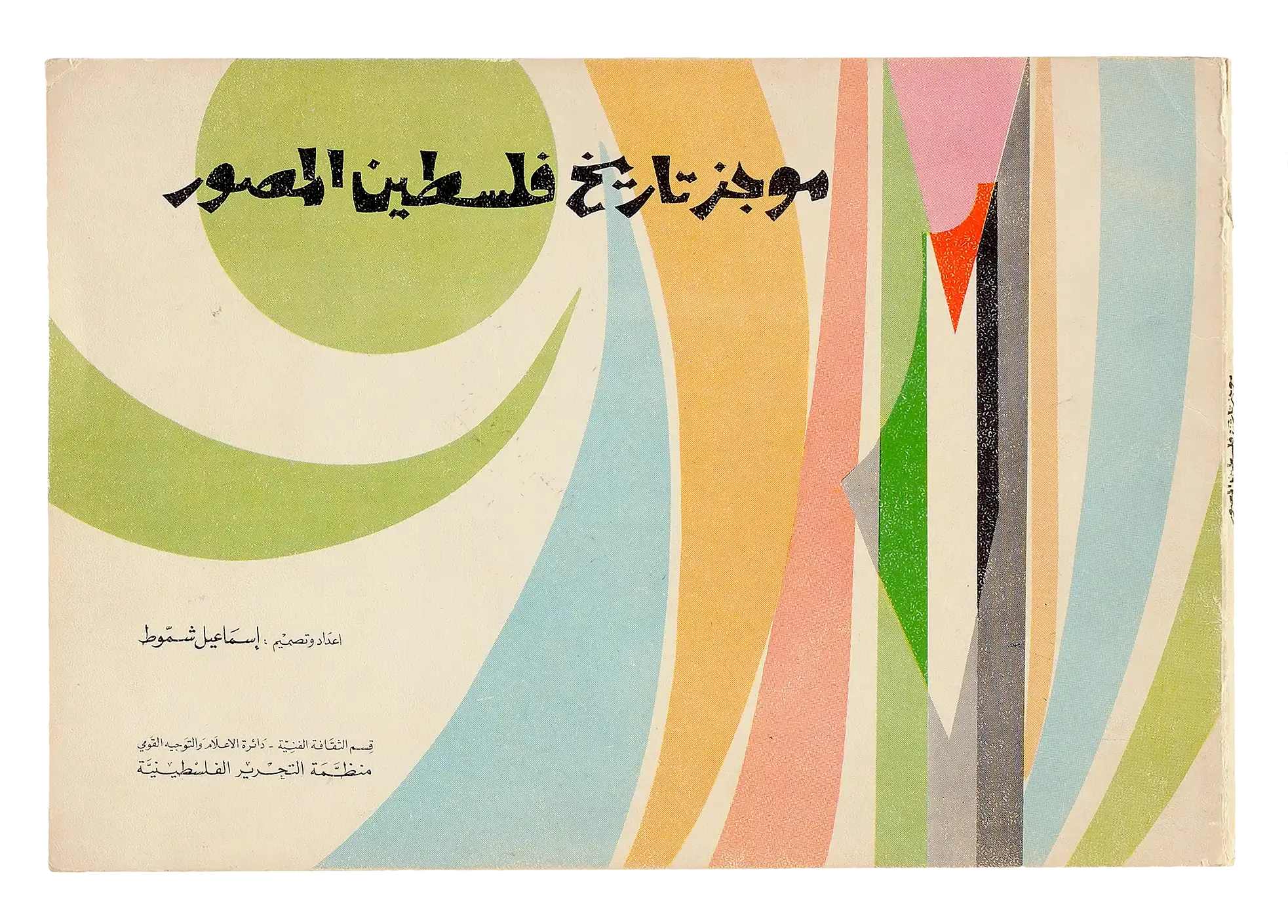
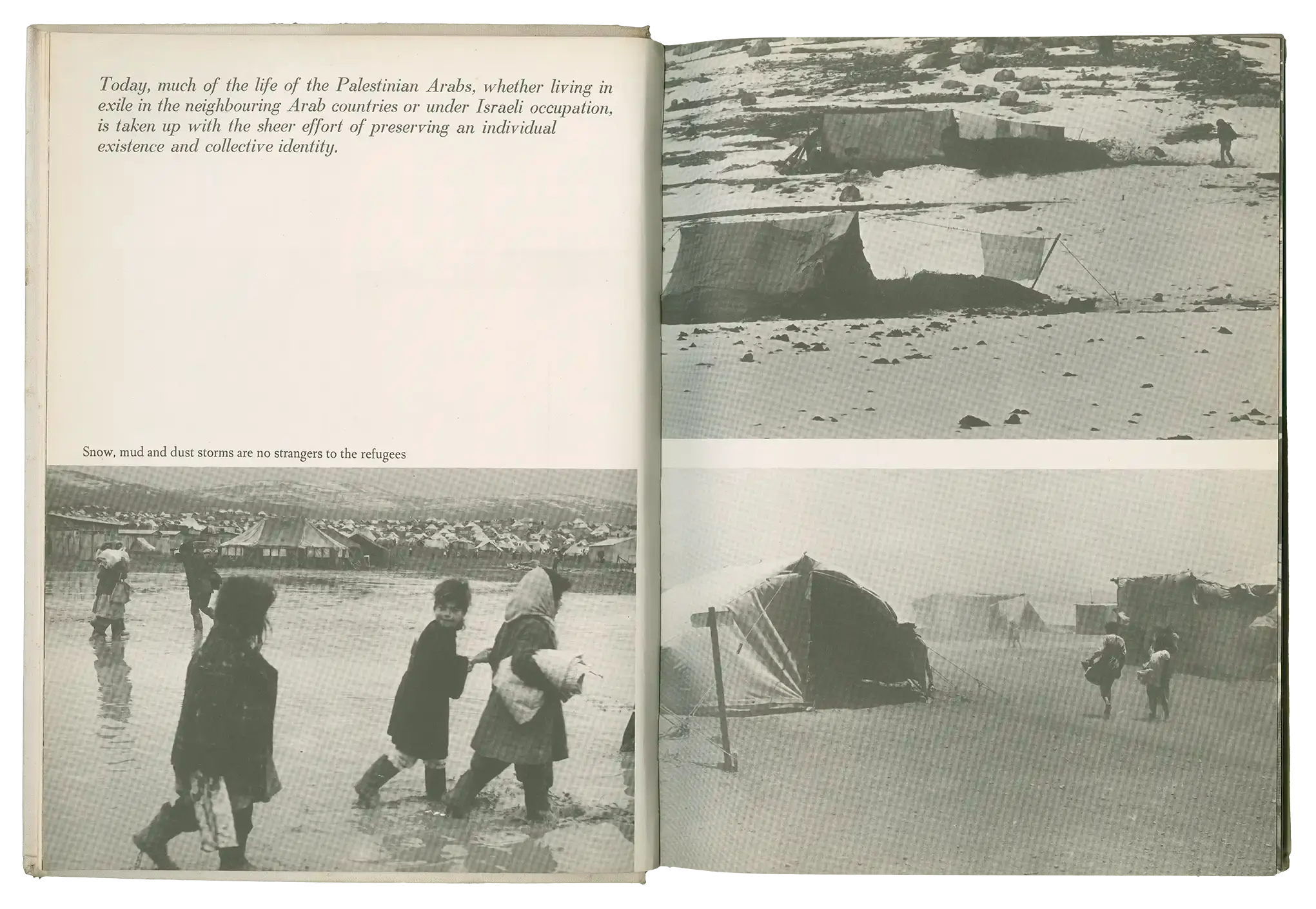
Historic events such as the Afro-Asian anti-colonial solidarity of the 1955 Bandung Conference, the Algerian War of Independence (1954–62), the Suez War in 1956, the 1967 Arab-Israeli war, as well as Israel’s successive campaigns of aggression and occupation of Lebanon, have all inspired artistic responses in the form of books. However, it is the continuing struggle of Palestinians since the 1948 Nakba that has generated the greatest number of illustrated books. The Palestinian cause exemplifies the creative ways in which Arabic books have been aesthetically explored and designed to provide testimony and express solidarity.
التاريخ والذاكرة
History and Memory
التضامن
Solidarity
شهادات الأطفال
Children’s Testimony
توثيق الشهادة
Bearing Witness
A particularly significant feature of Arabic books from this period is the increasing political use of visual narratives, enlisting both the documentary and affective power of imagery. Illustrated books offer both detached visual evidence and emotionally charged aesthetic expression. They mediate testimonies of traumatic loss and experiences of war, while also invoking agency, demanding freedom and justice, celebrating heroic figures, commemorating martyrs, and making their cause visible. In visually striking ways, these books creatively transform collective memories—especially of those denied speech and visibility—into public knowledge. In short, these books are made to bear witness through their visual narratives.
The rise of such predominantly pictorial books coincides with the growth of visual activism during the 1960s and ’70s, both in the Arab world and globally. Messages of protest and calls for action are extended from iconic documentary photographs, ephemeral posters, and radical periodicals to the in-depth, full-length exploration found in books. Often published in multiple language editions, these books reach beyond Arabic-speaking communities. They are made to travel, to build transnational networks of solidarity and to appeal to international readers in the hope of justice.
Historic events such as the Afro-Asian anti-colonial solidarity of the 1955 Bandung Conference, the Algerian War of Independence (1954–62), the Suez War in 1956, the 1967 Arab-Israeli war, as well as Israel’s successive campaigns of aggression and occupation of Lebanon, have all inspired artistic responses in the form of books. However, it is the continuing struggle of Palestinians since the 1948 Nakba that has generated the greatest number of illustrated books. The Palestinian cause exemplifies the creative ways in which Arabic books have been aesthetically explored and designed to provide testimony and express solidarity.
التاريخ والذاكرة
History and Memory
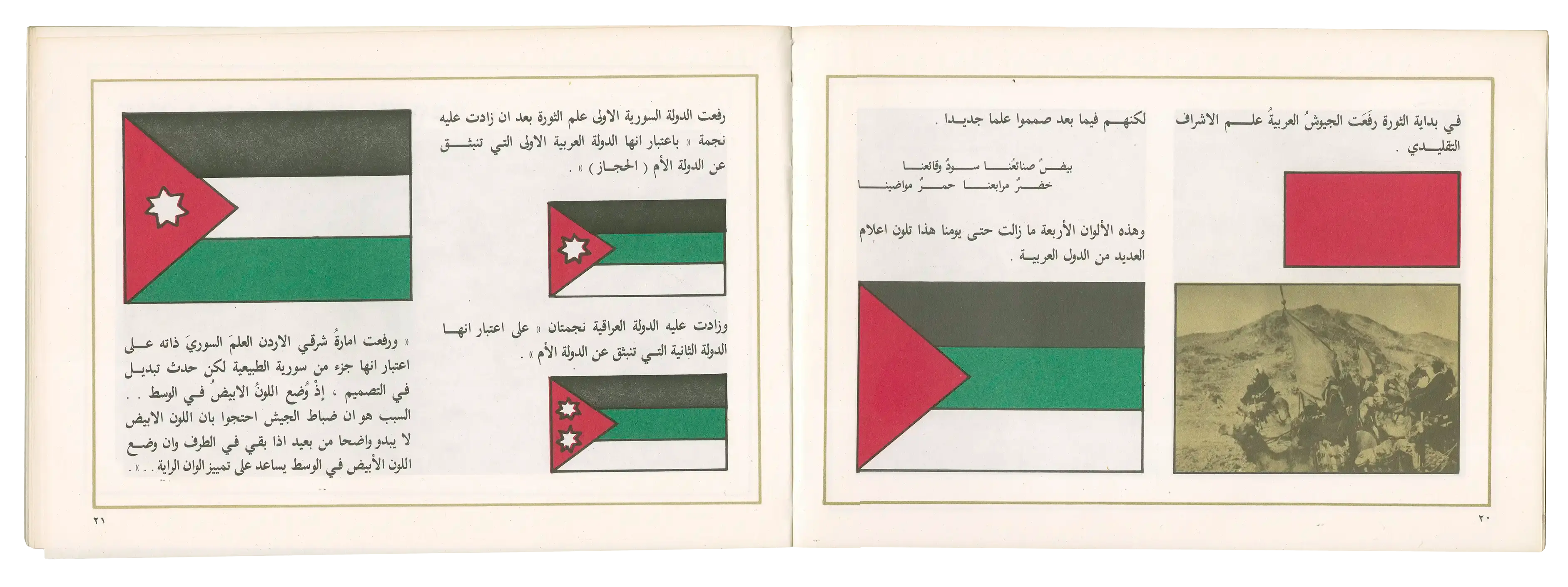
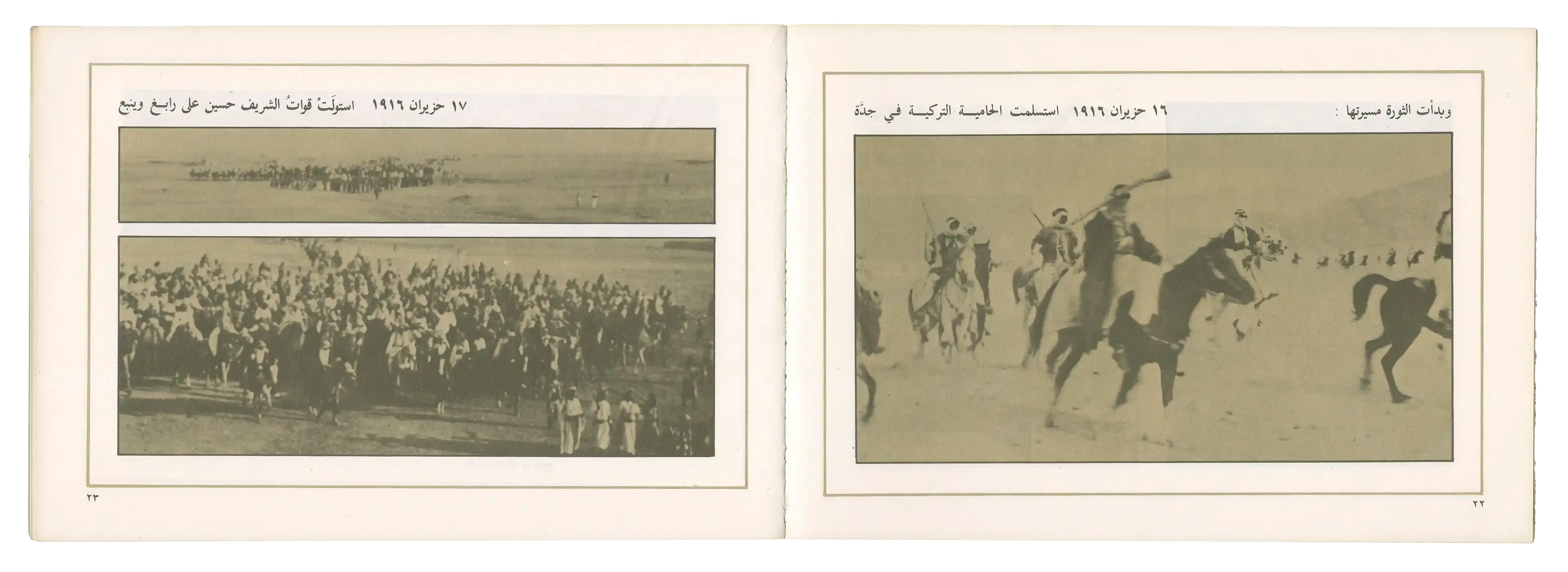
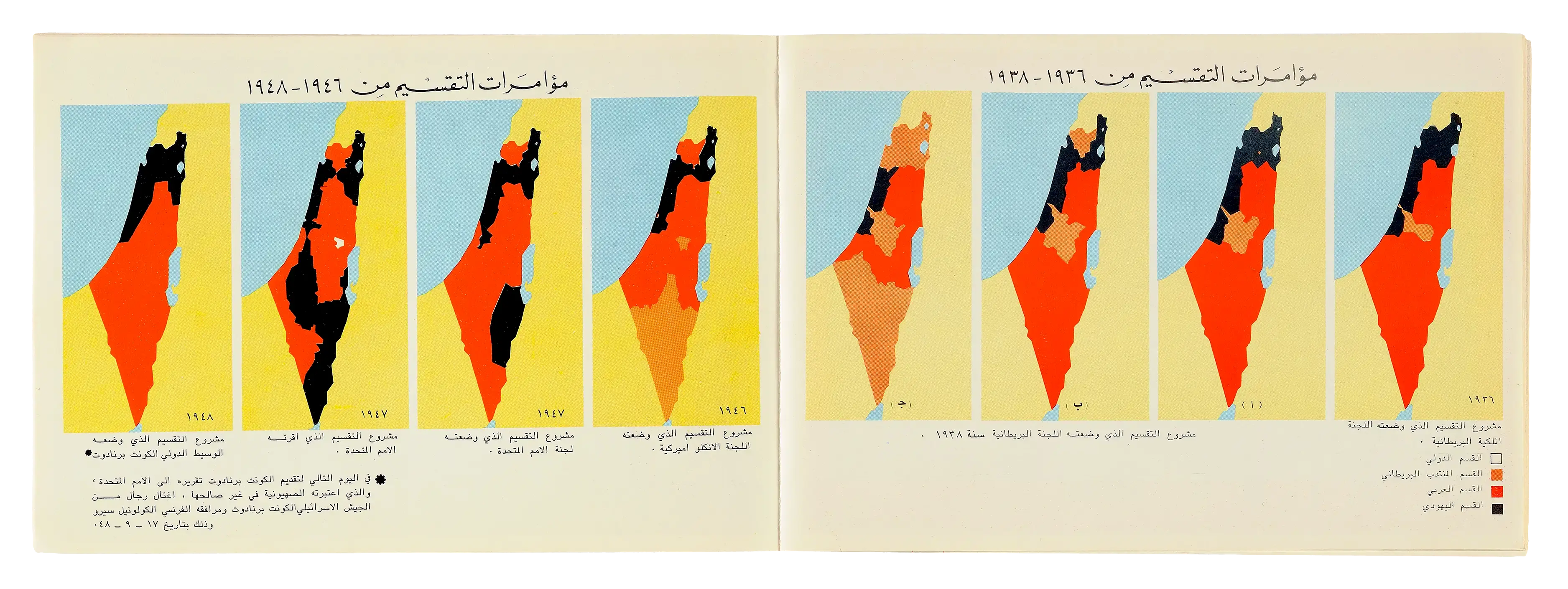
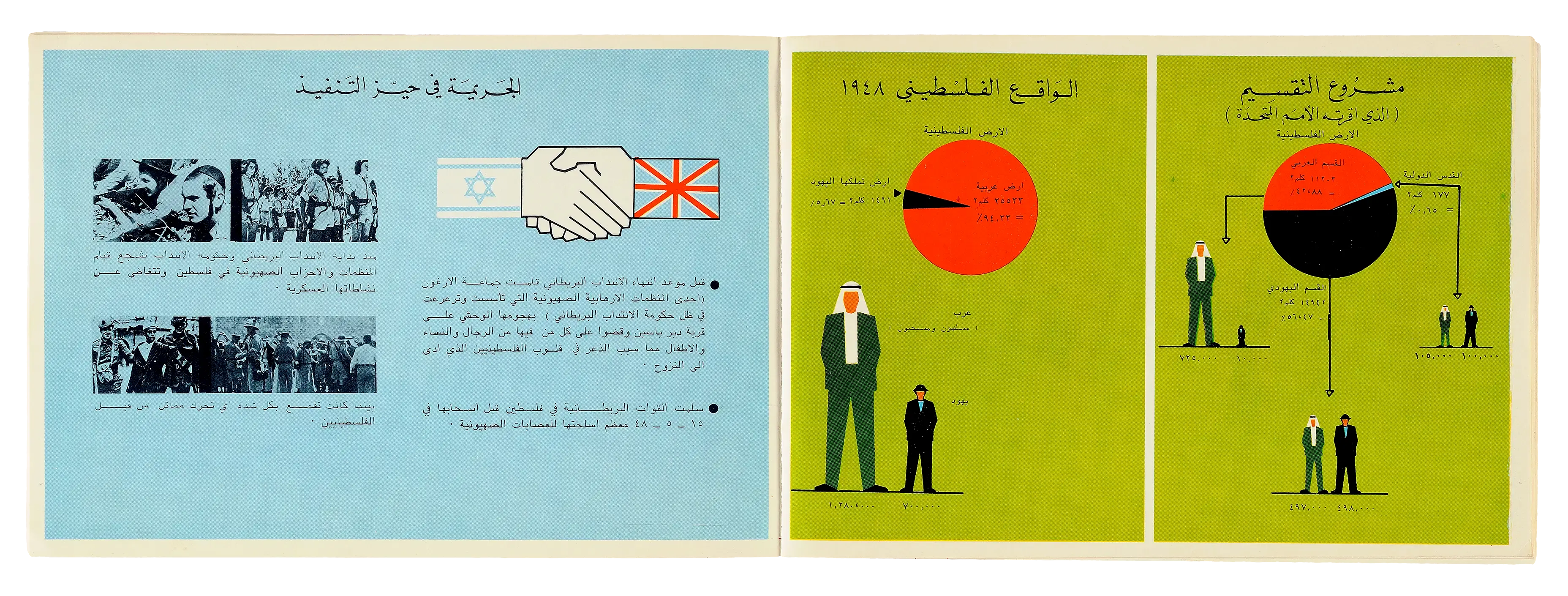
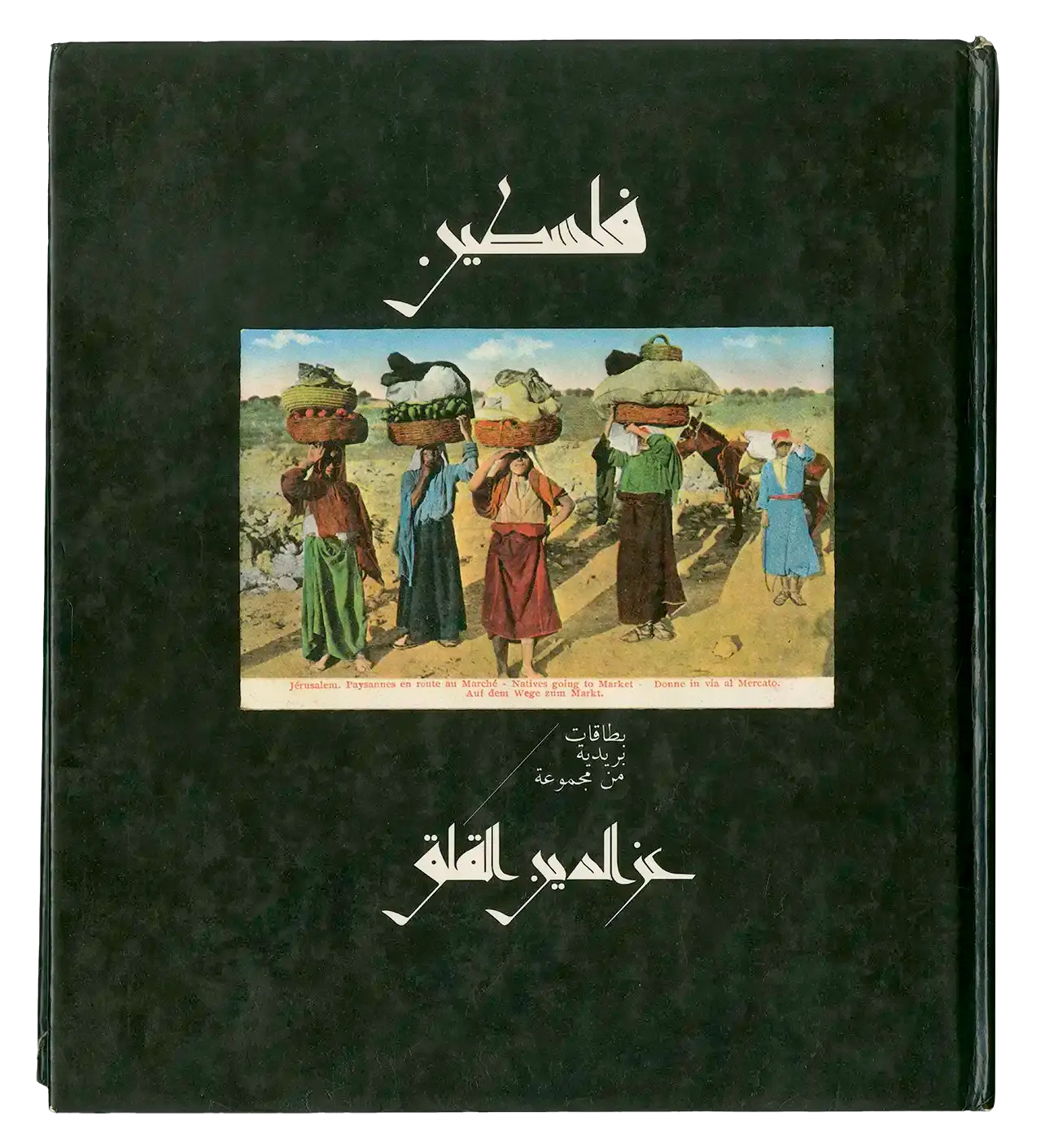
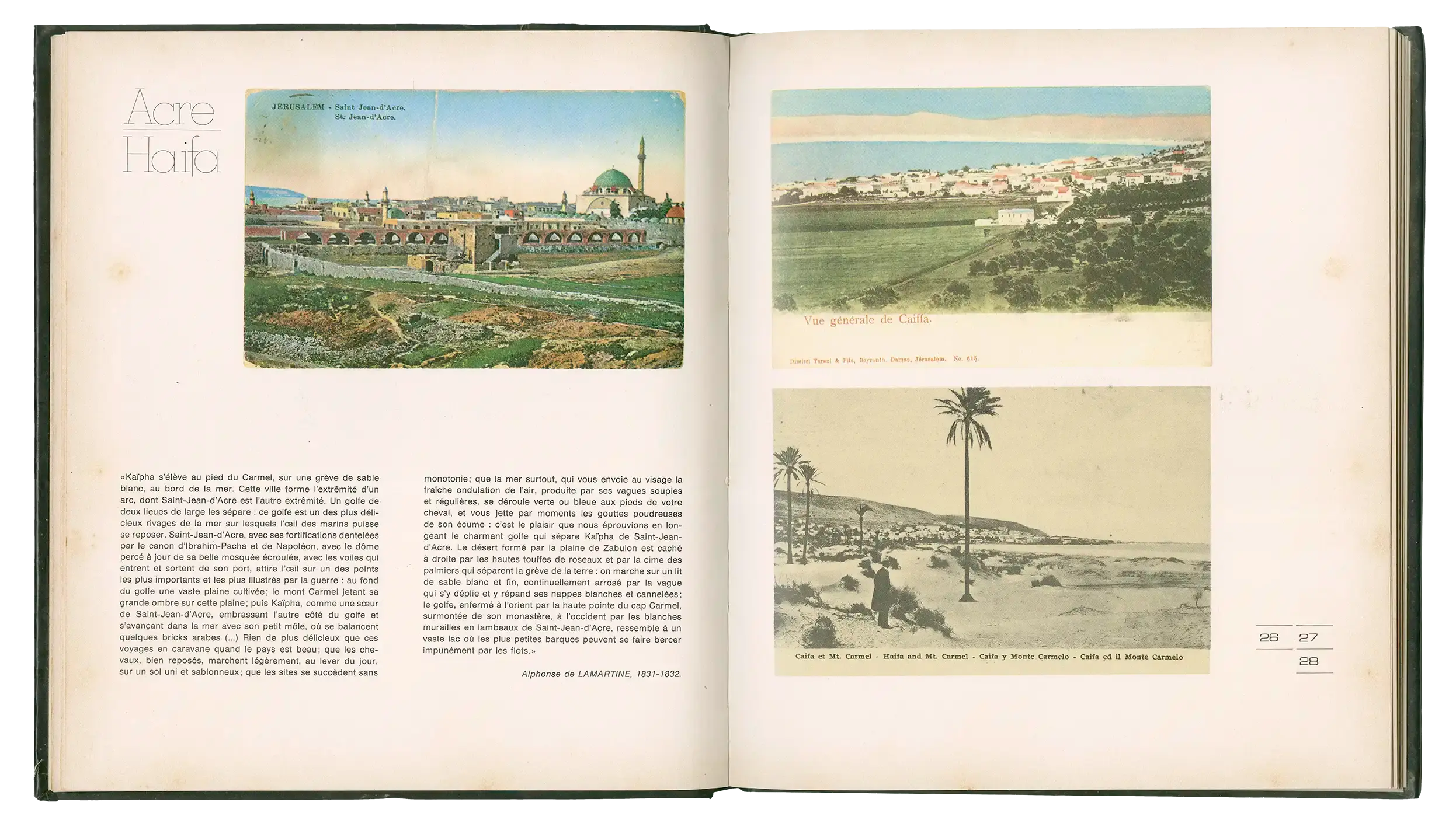
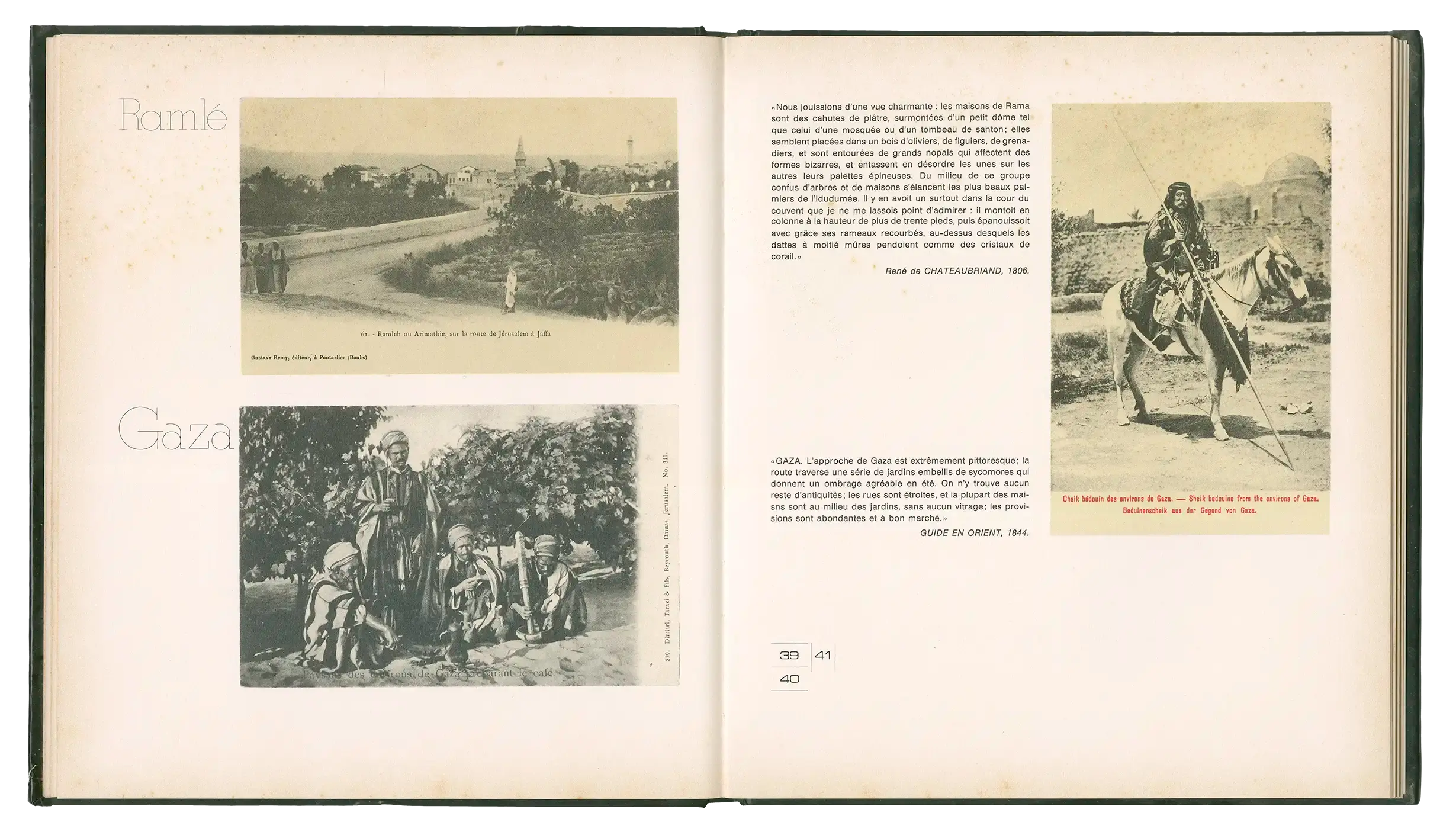
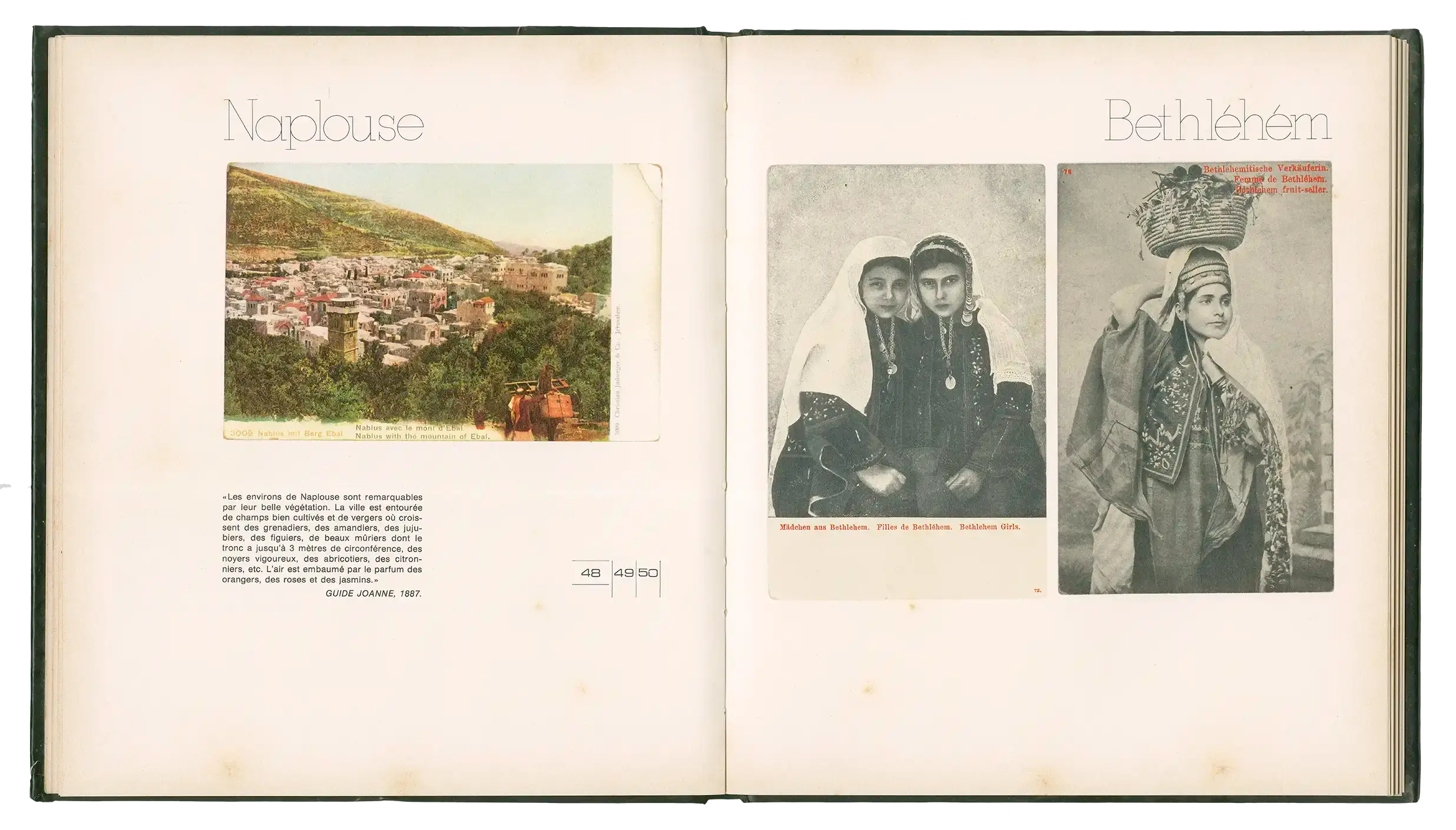
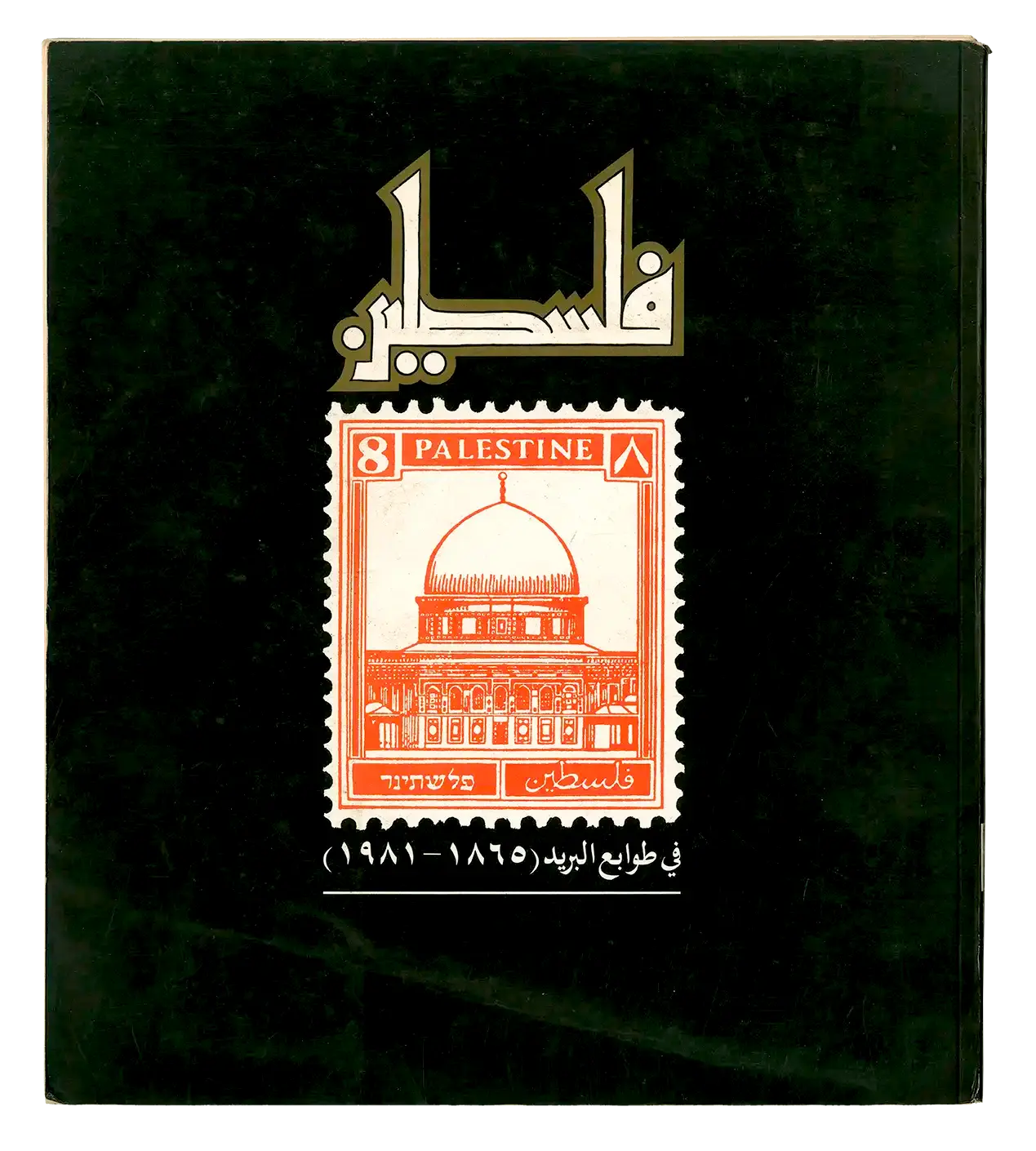
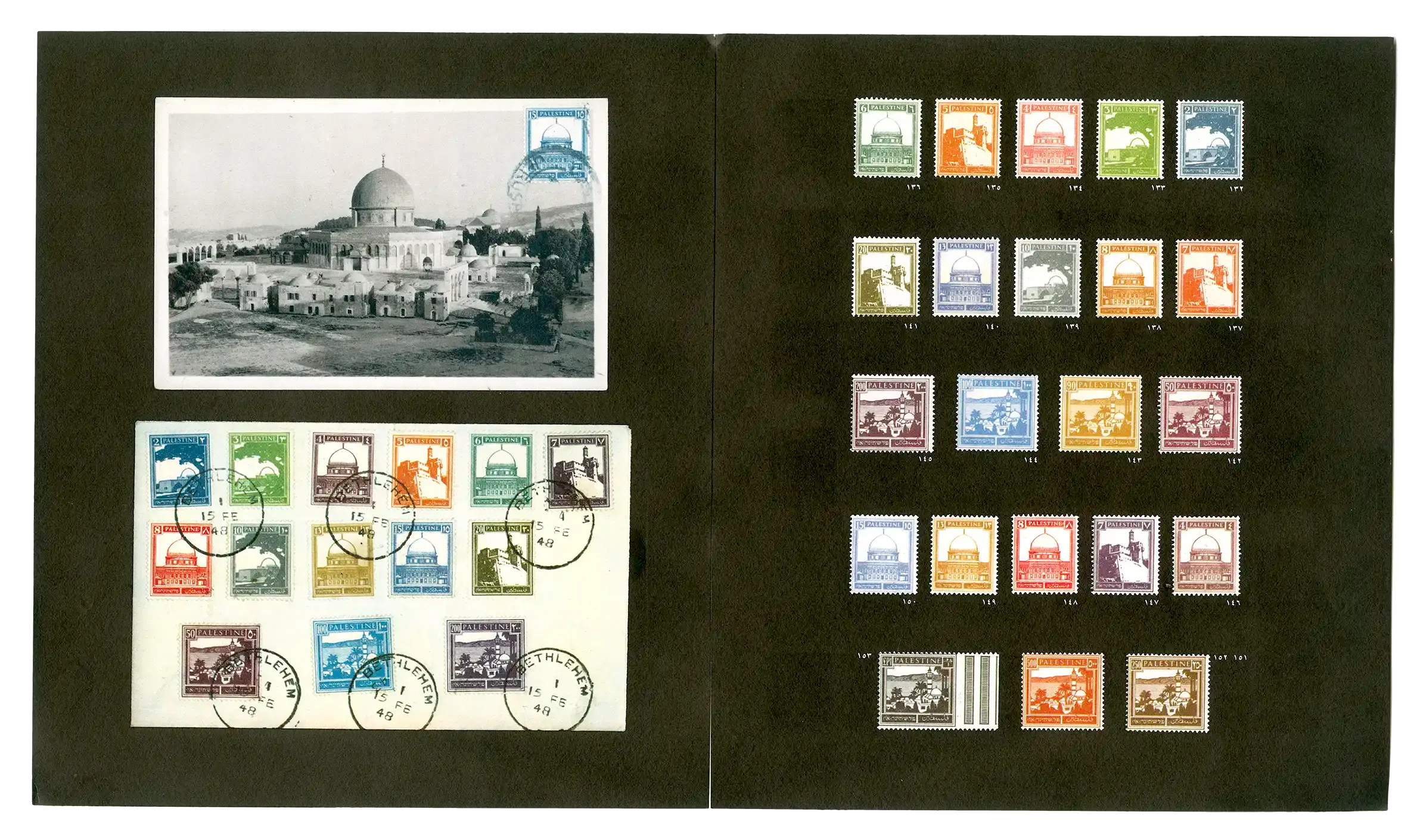
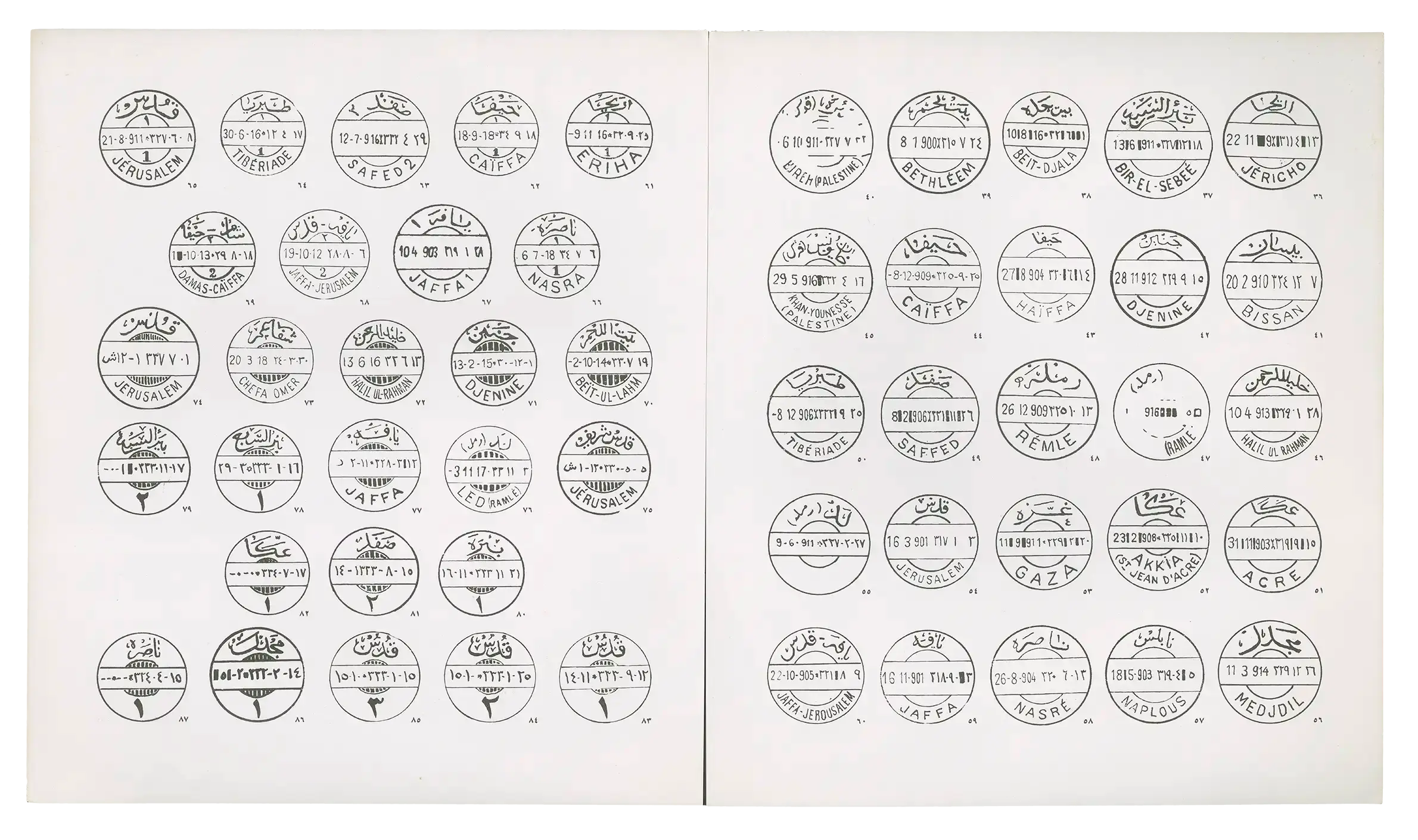
Documentary pictorial books combine text, drawings, infographics, maps, and photographs to provide visual evidence of complex historical events and wartime atrocities often suppressed. These books serve as powerful pleas for historical redress and justice. Works such as Palestine: Postcards and Palestine in Stamps (1865-1981) act as both historical documents and archaeological traces, offering visual and material evidence of a place and a people long denied existence.
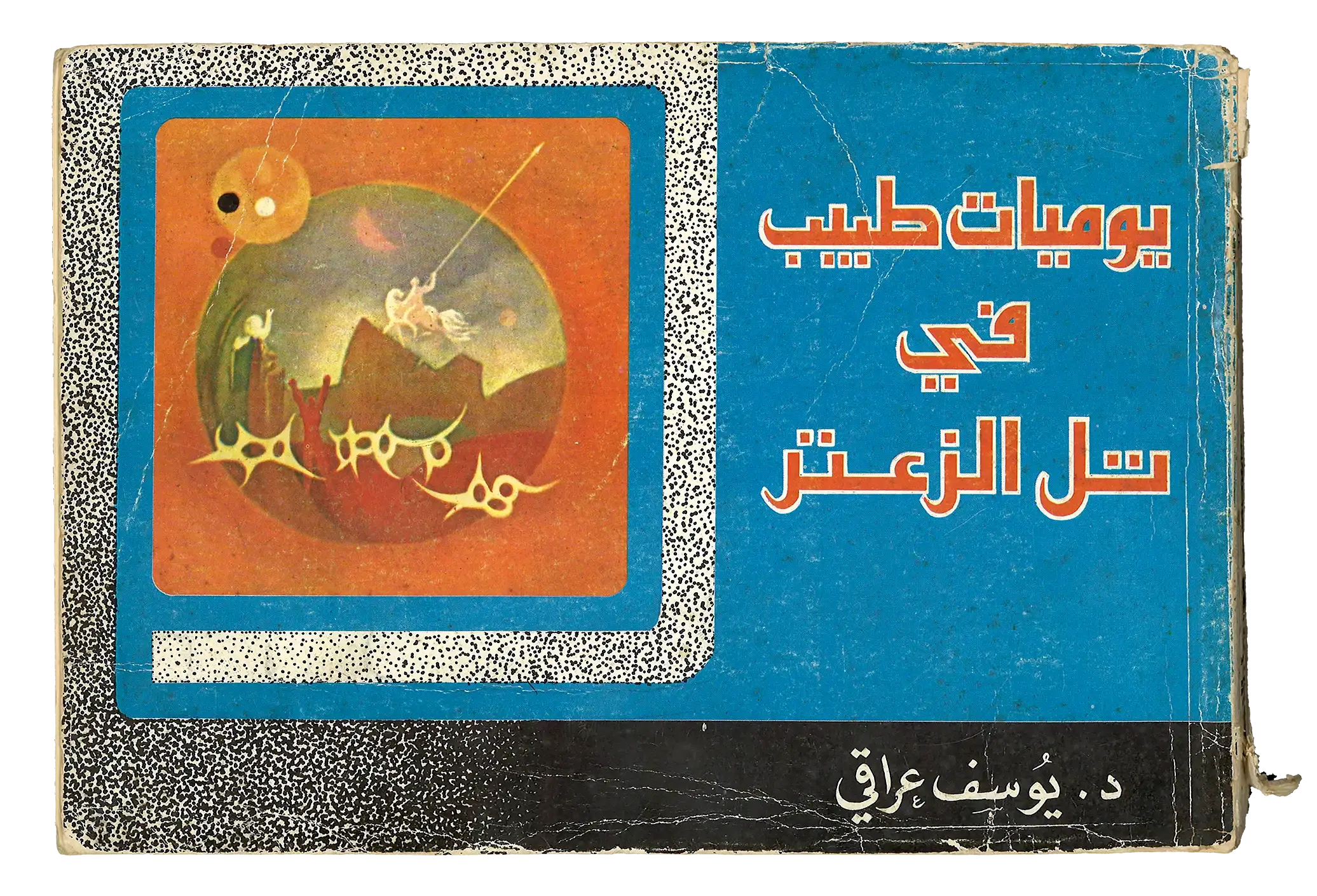
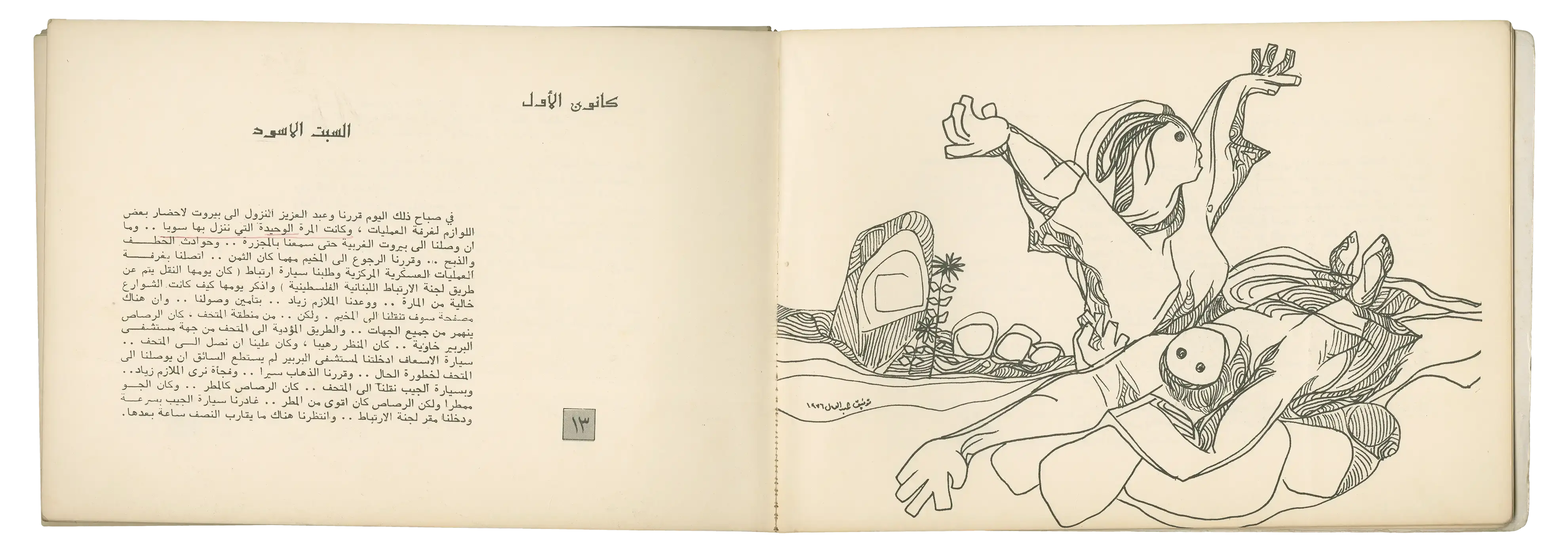
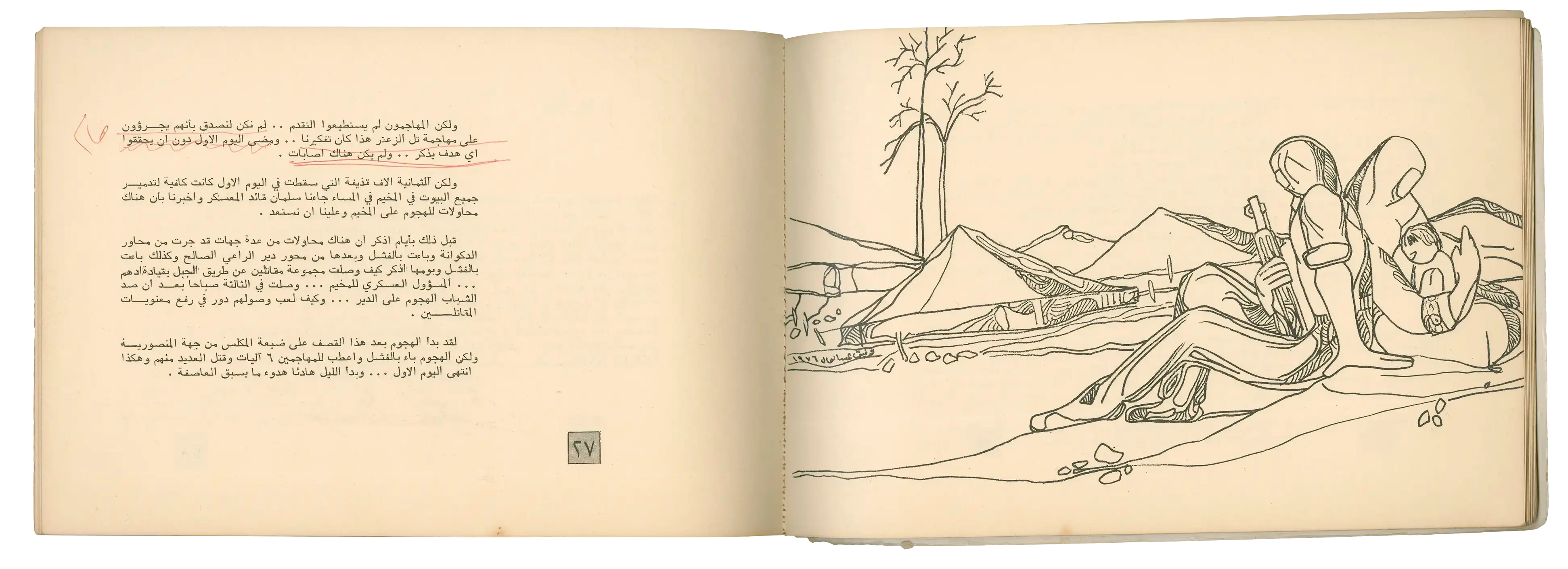
In these books, the content and argument are primarily driven by their visual narratives. The act of creating them—from collecting artifacts and gathering information to designing and publishing—is itself a collaborative act of resistance against historical erasure. Similarly, illustrated wartime diaries document the harrowing day-to-day lives of civilians under assault, responding to the ethics of witnessing while visually mediating collective memory.
التضامن
Solidarity
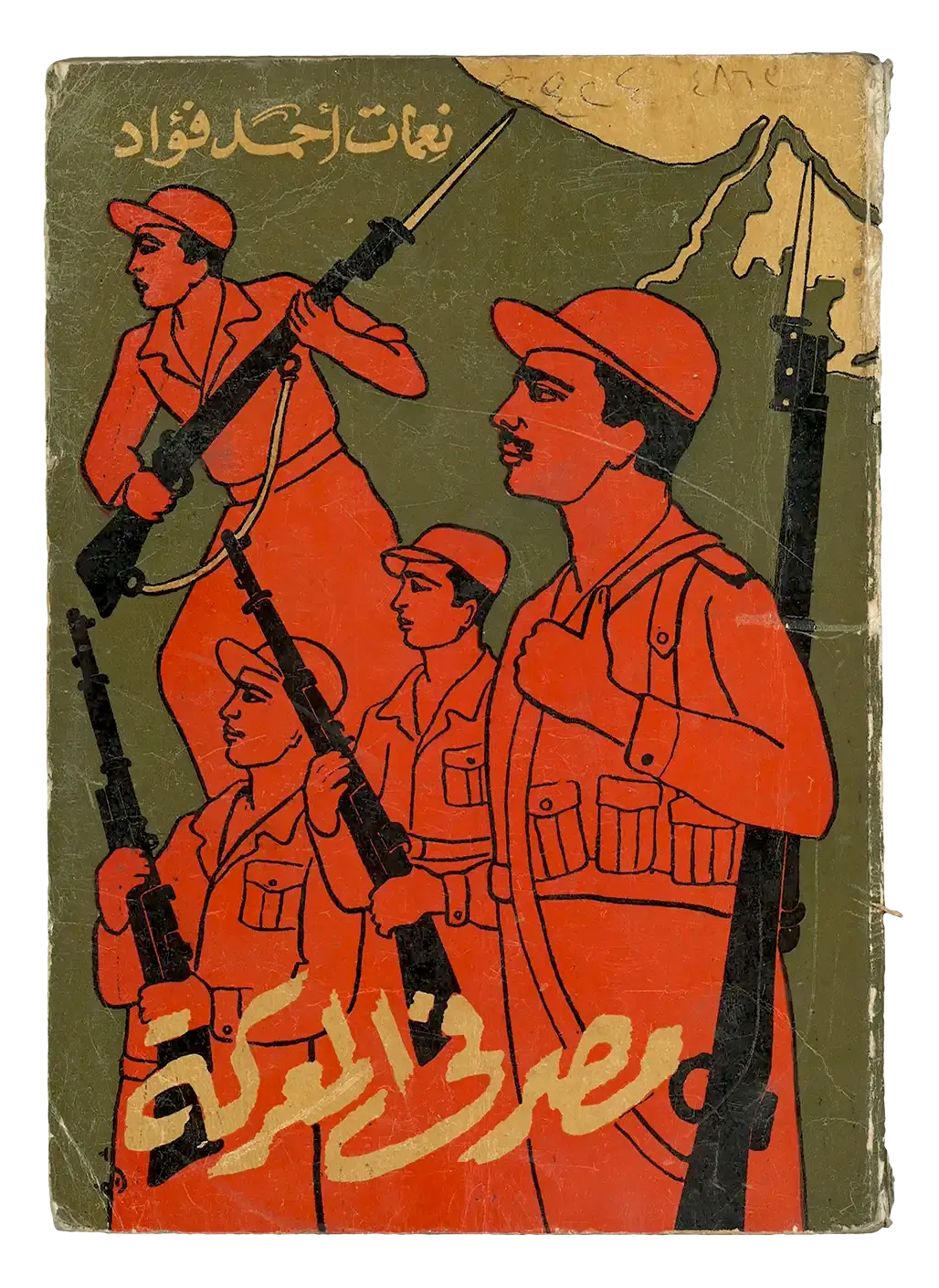
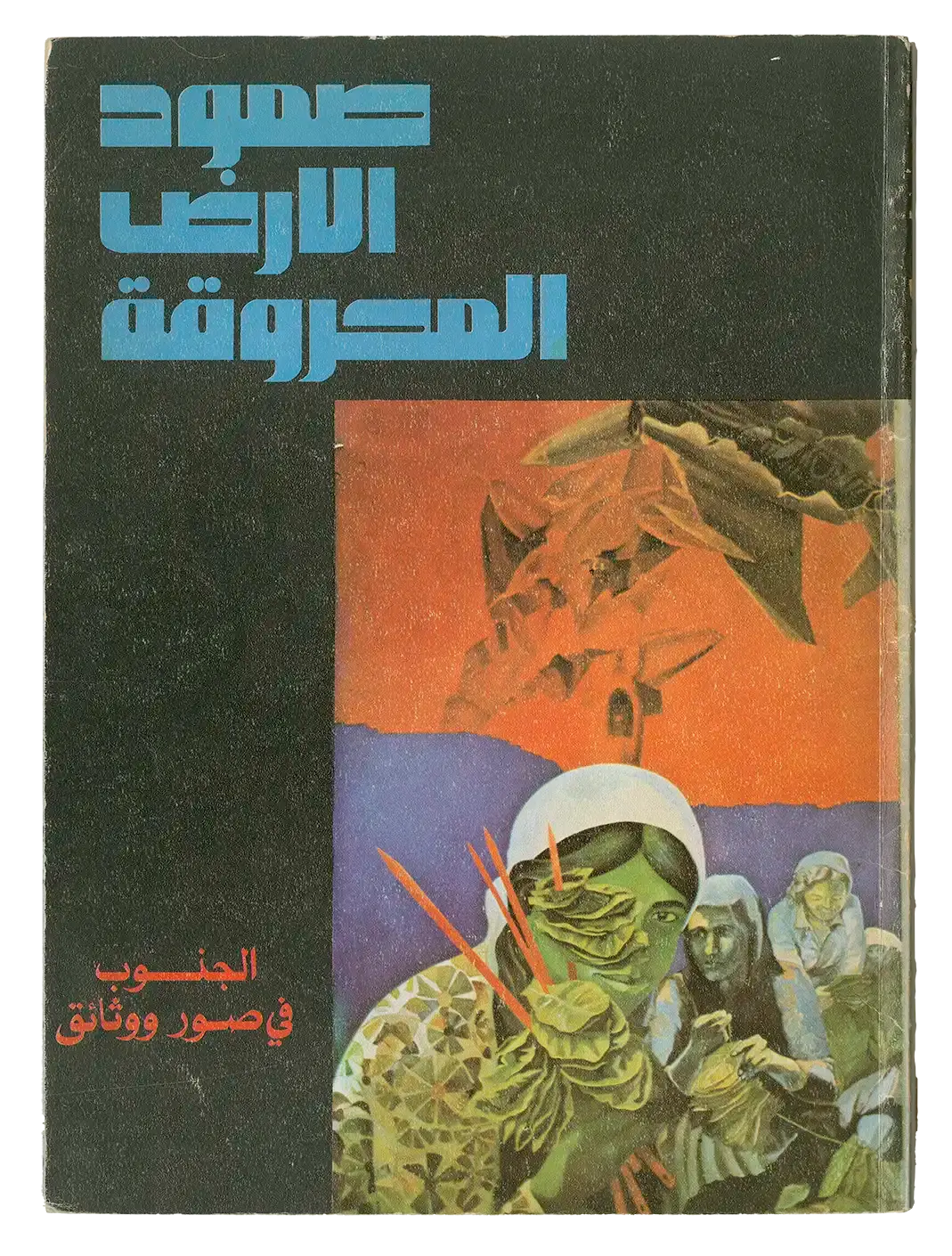
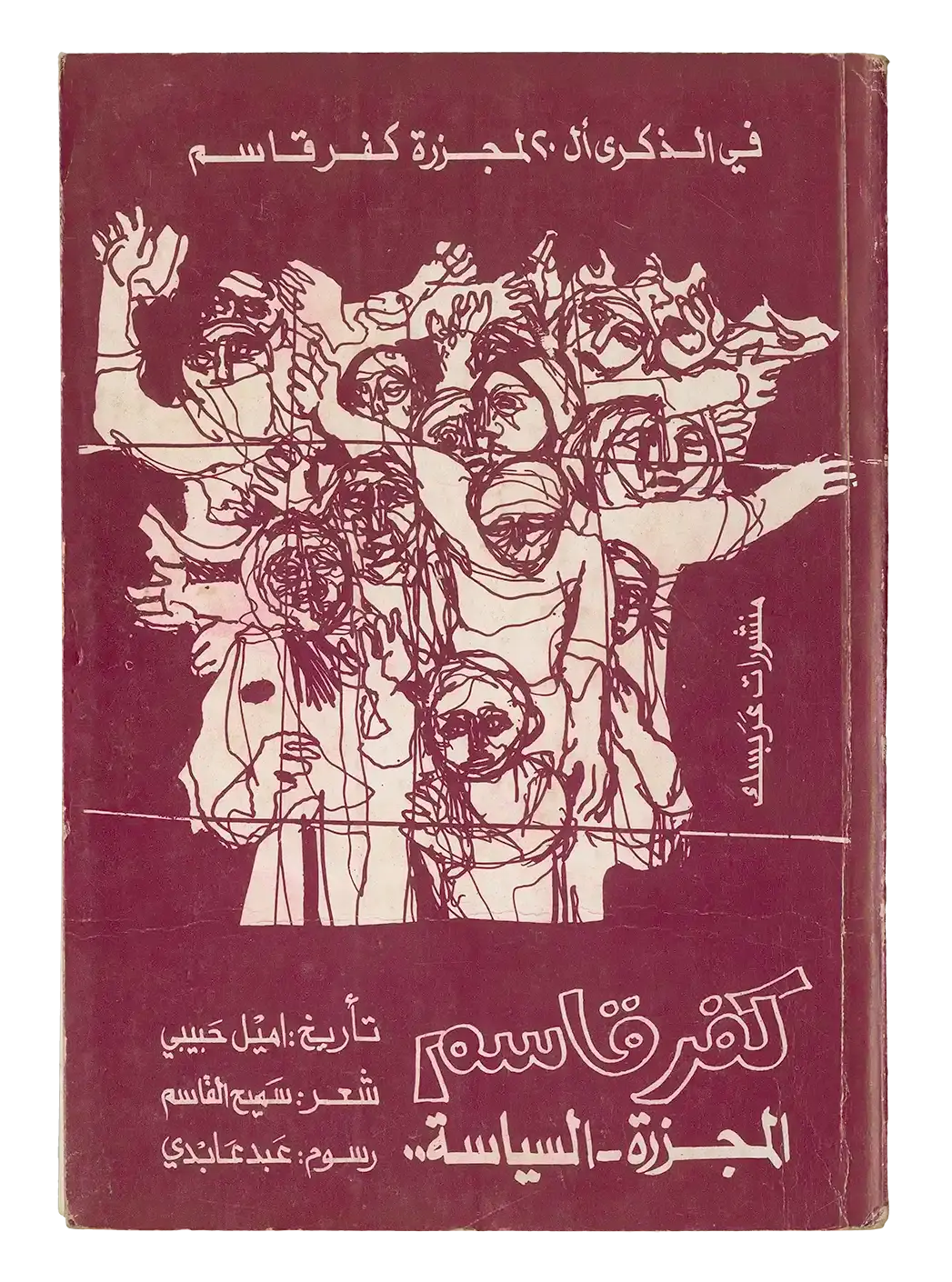
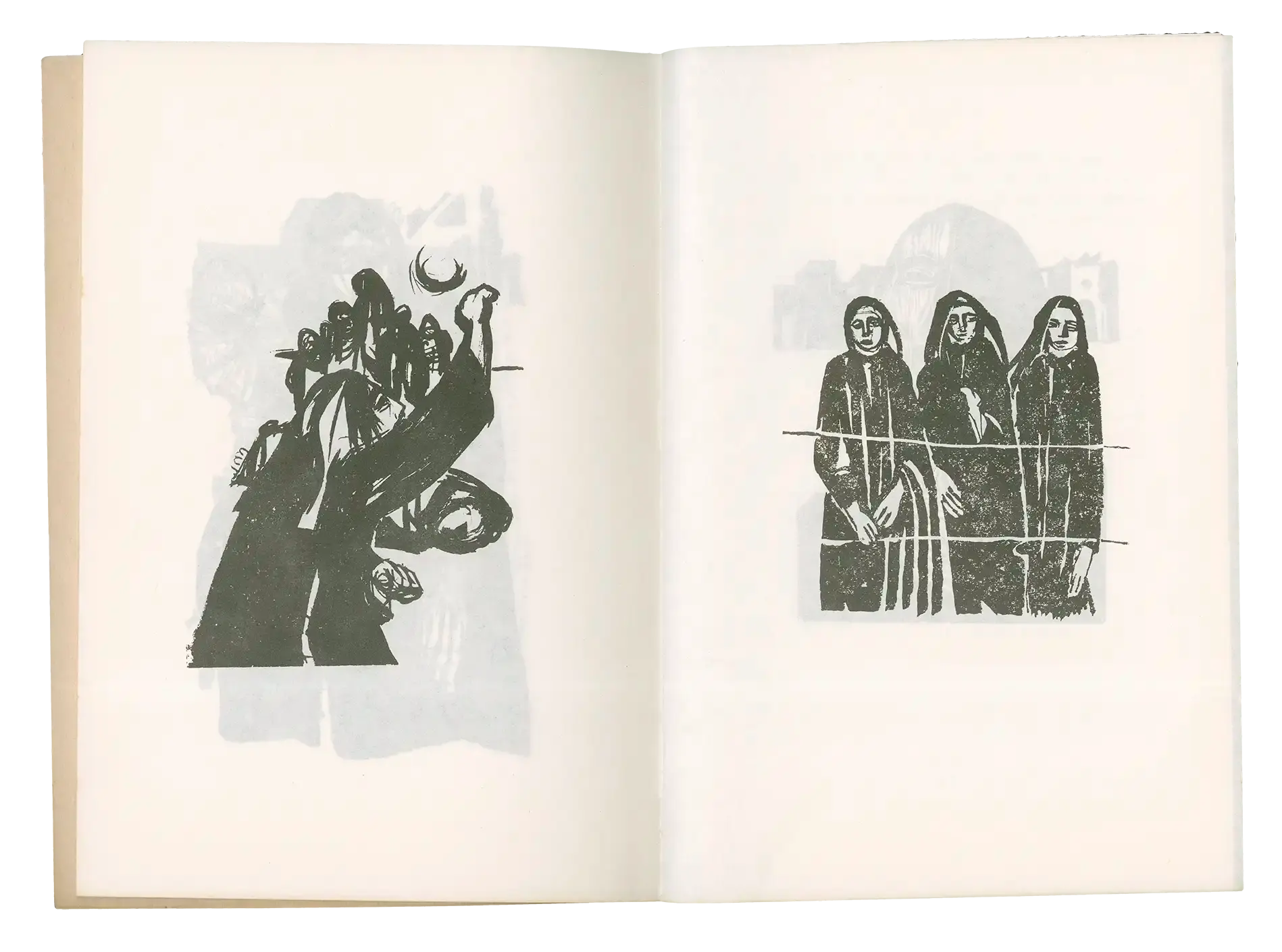
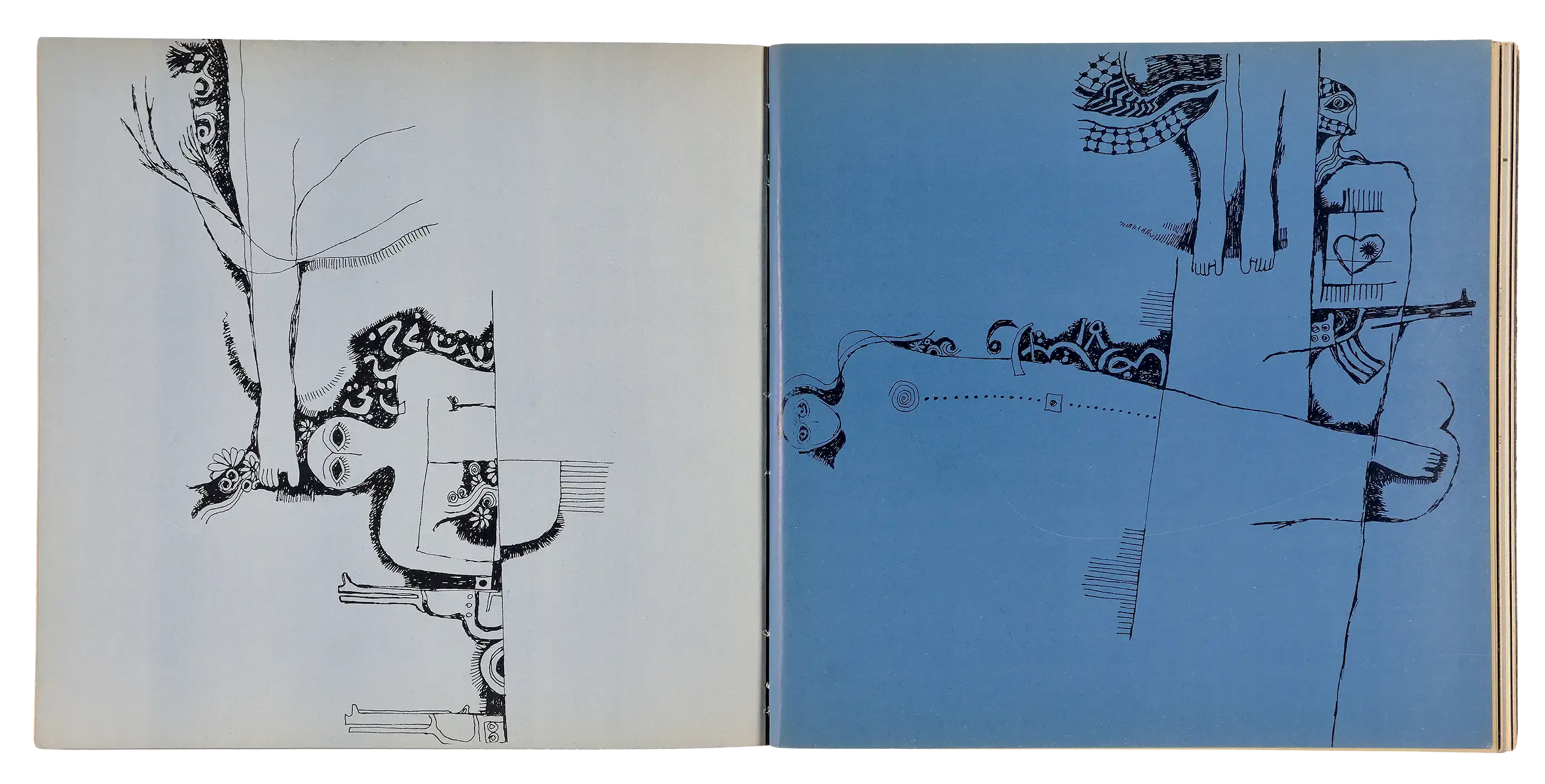
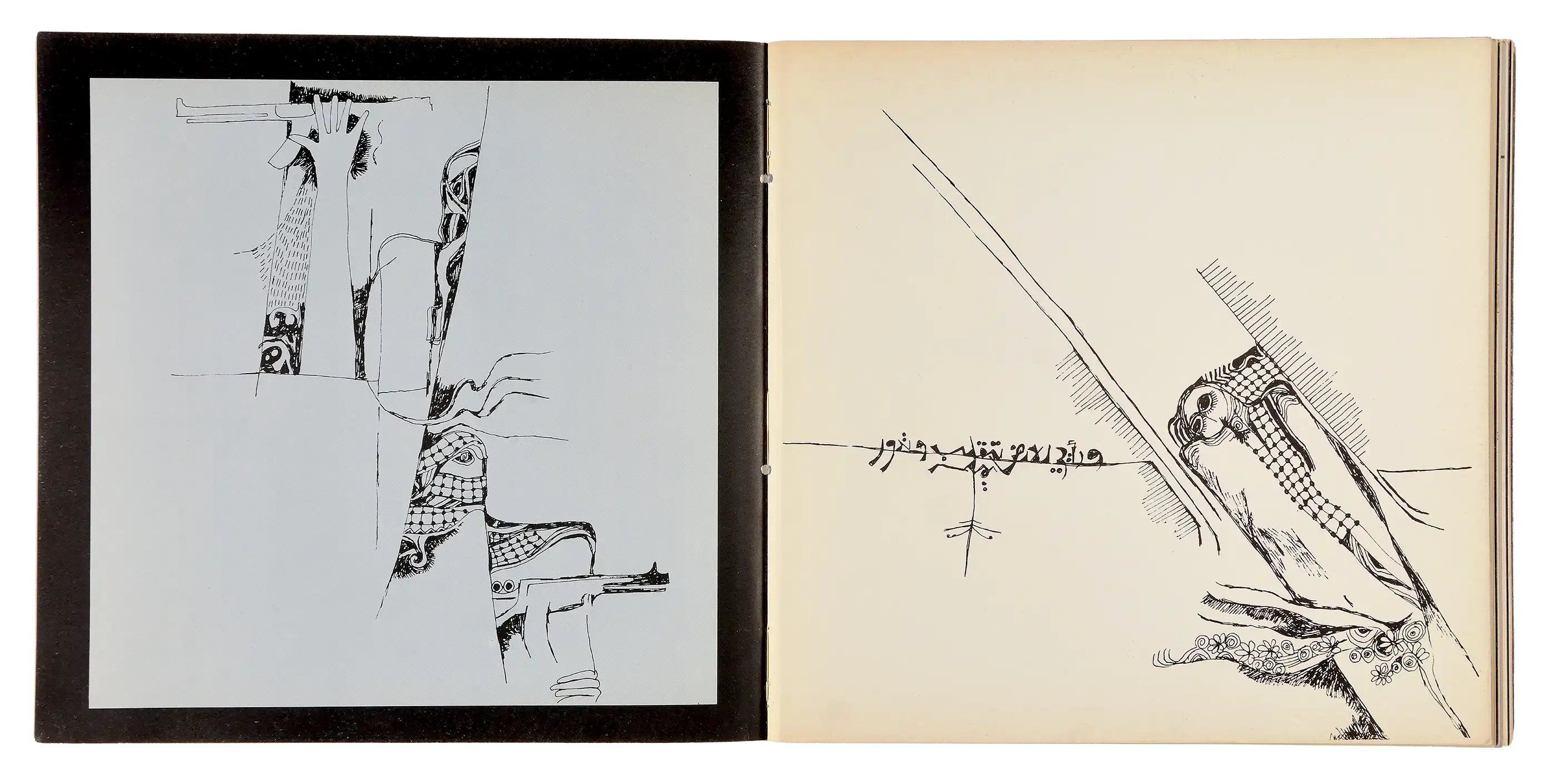
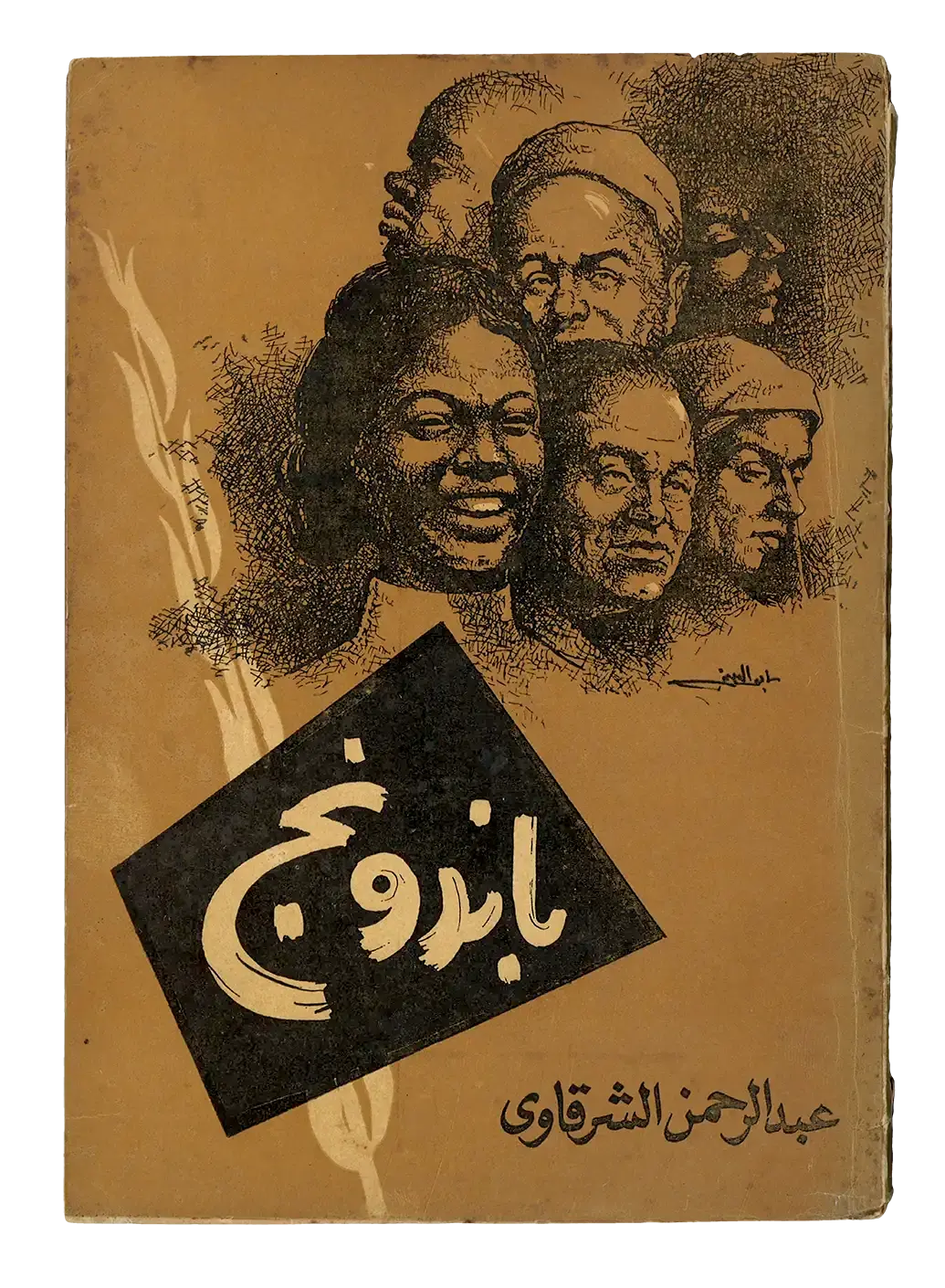
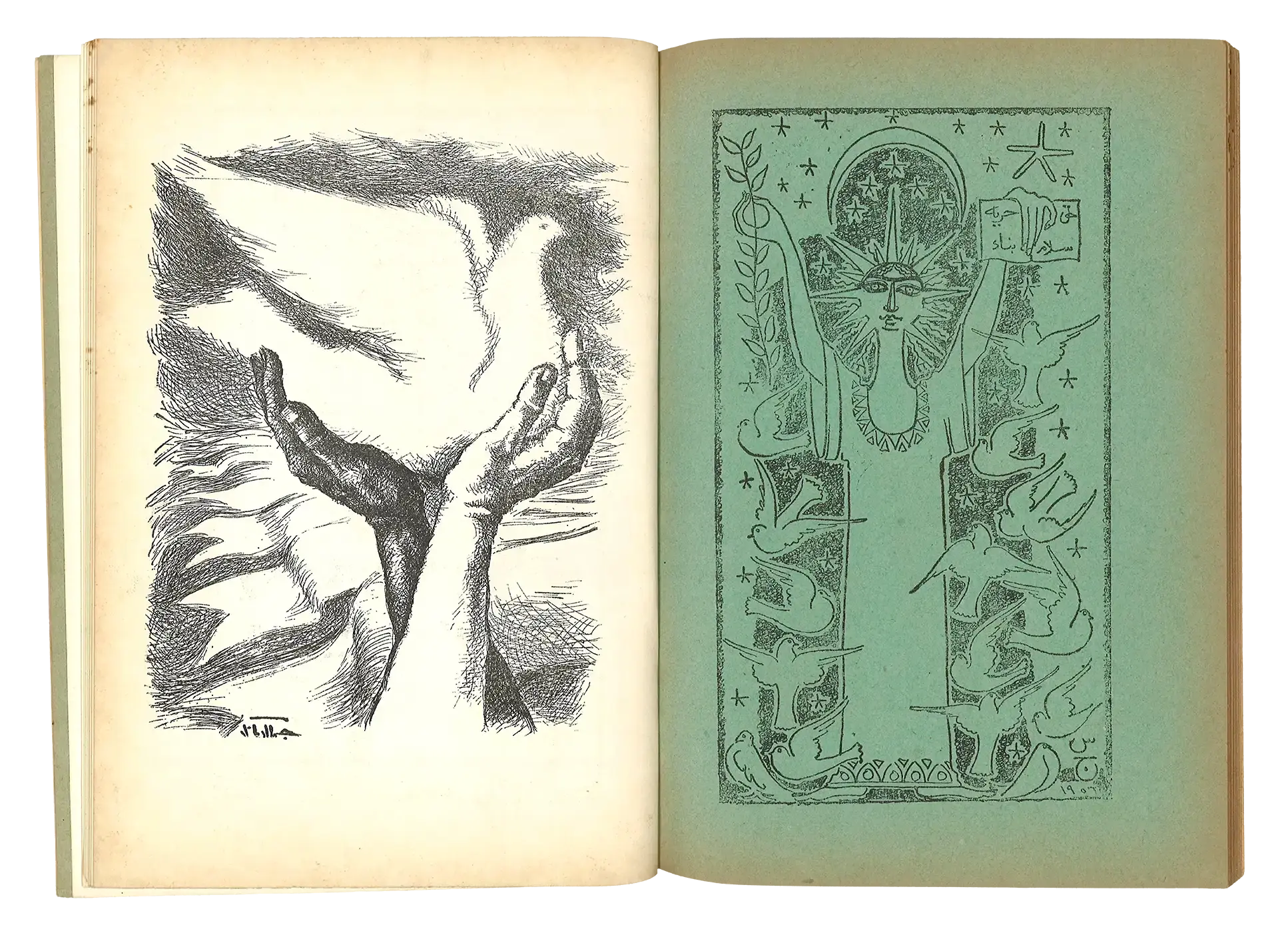
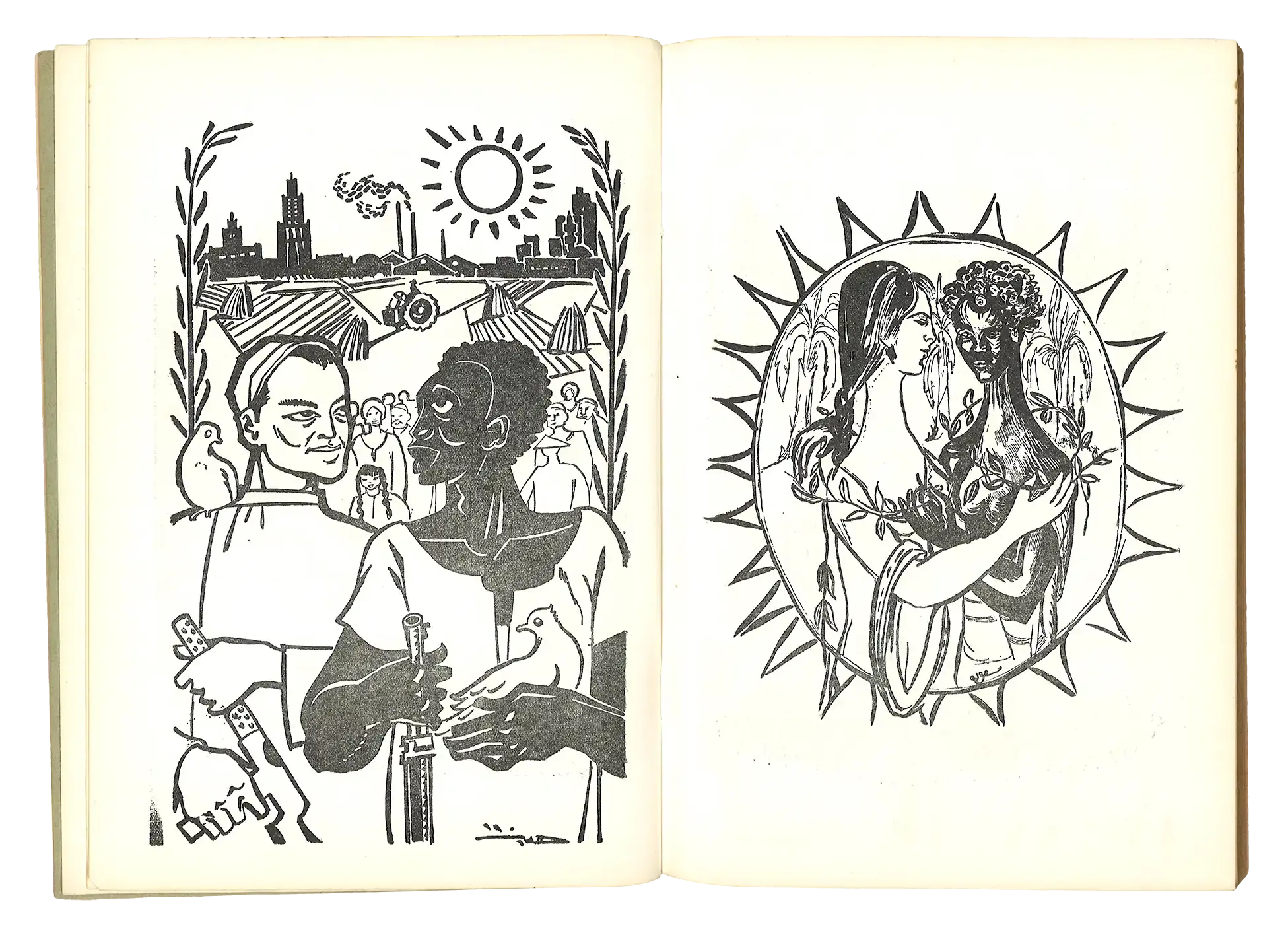
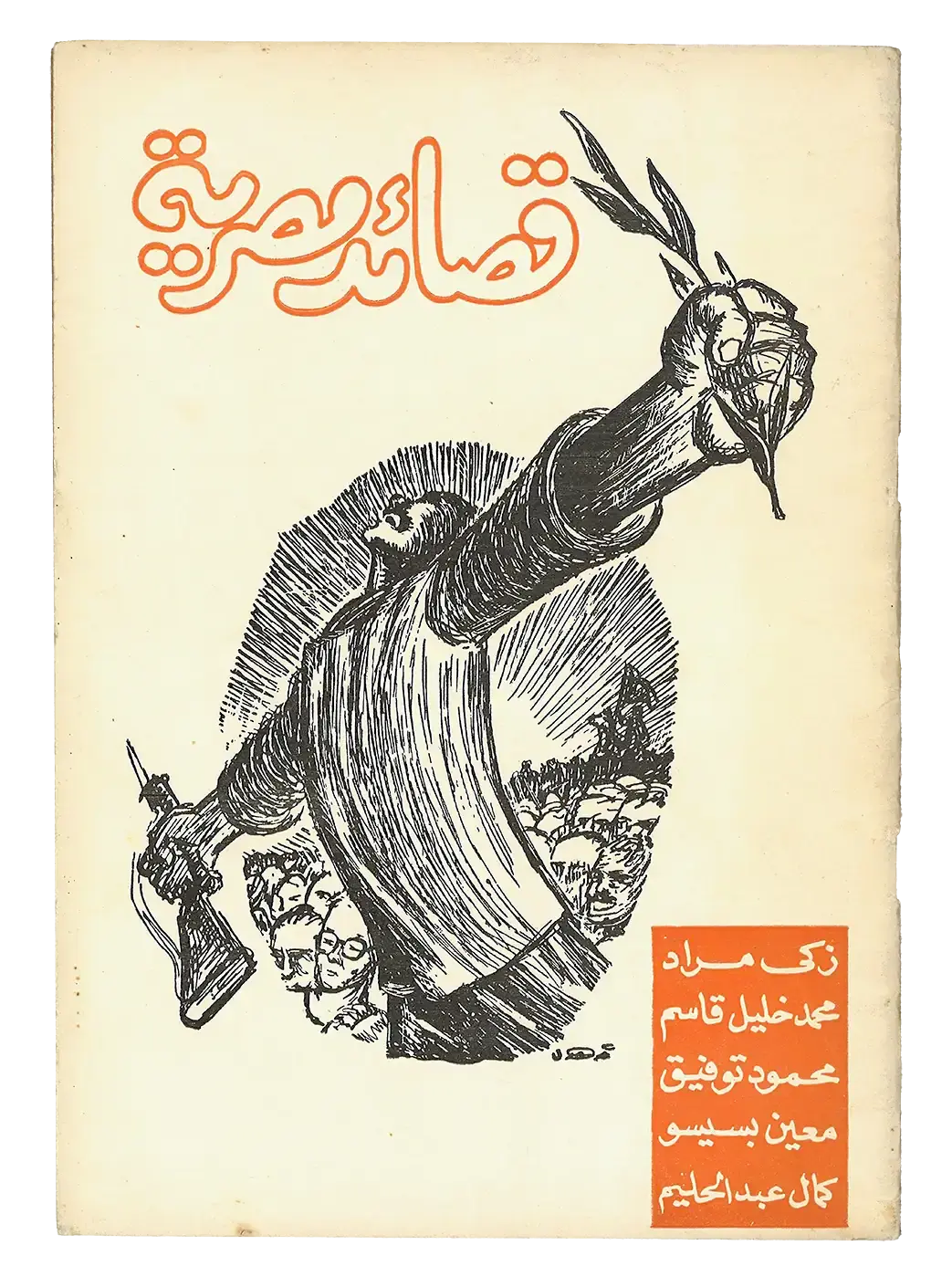
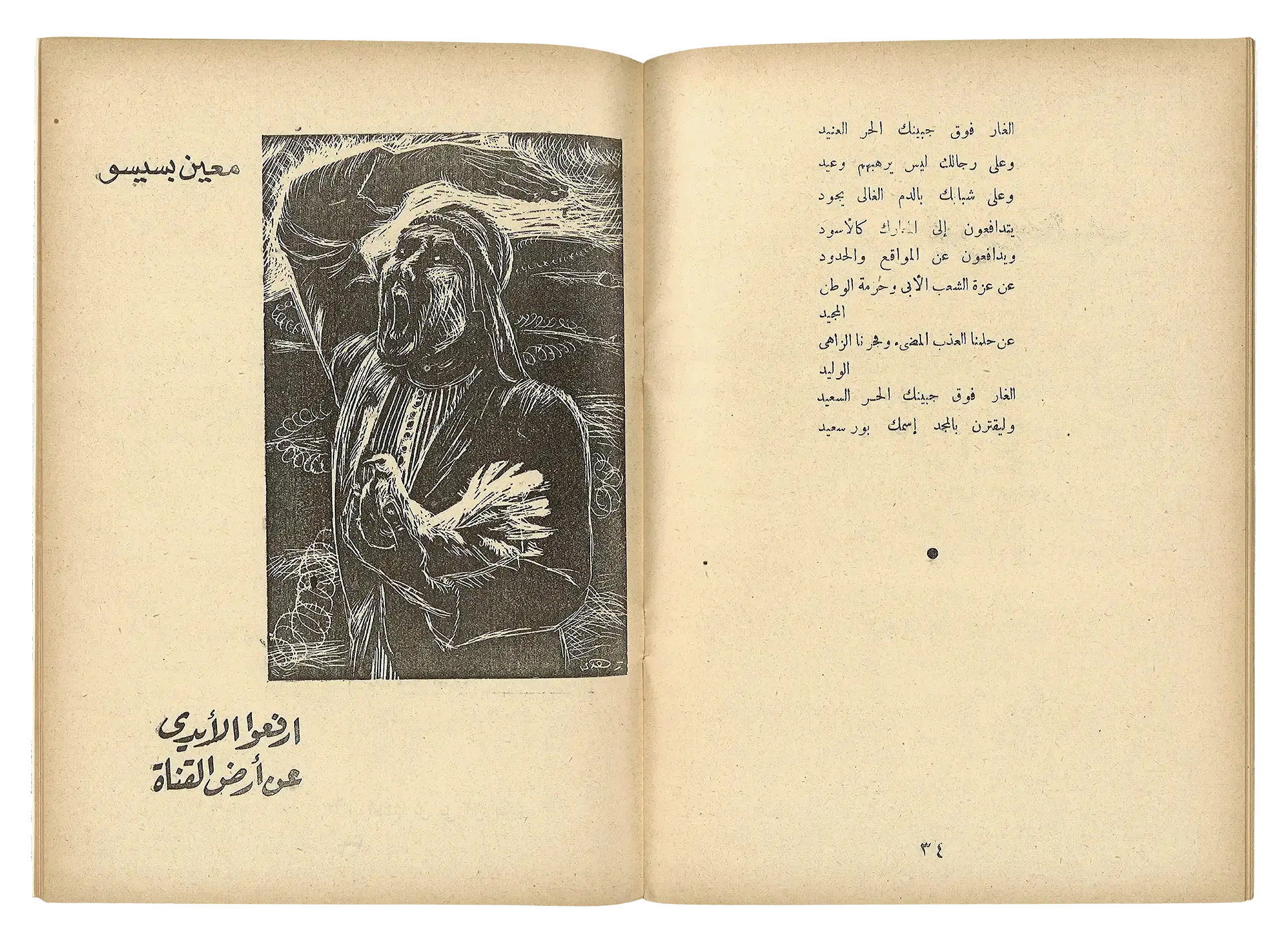
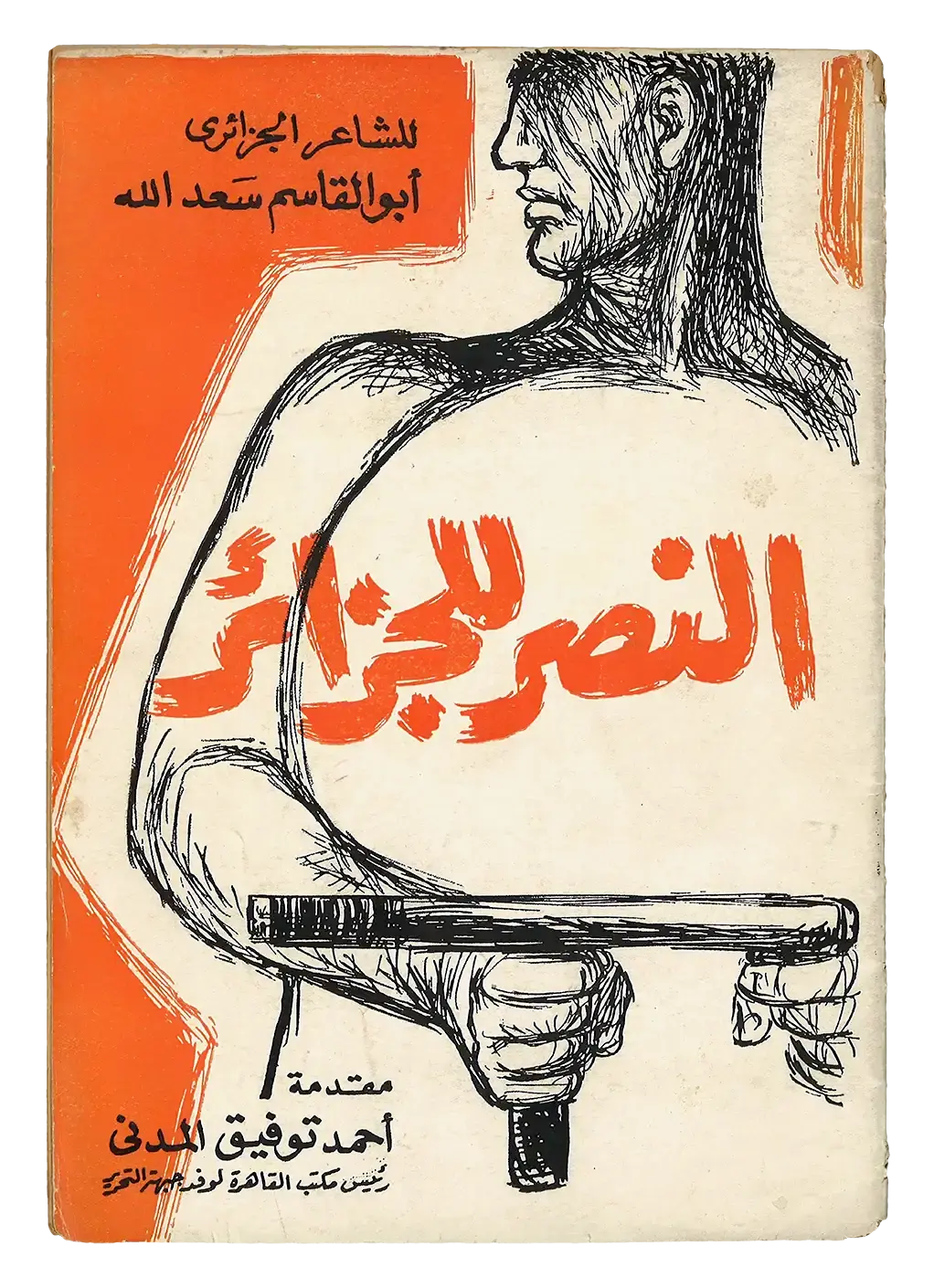
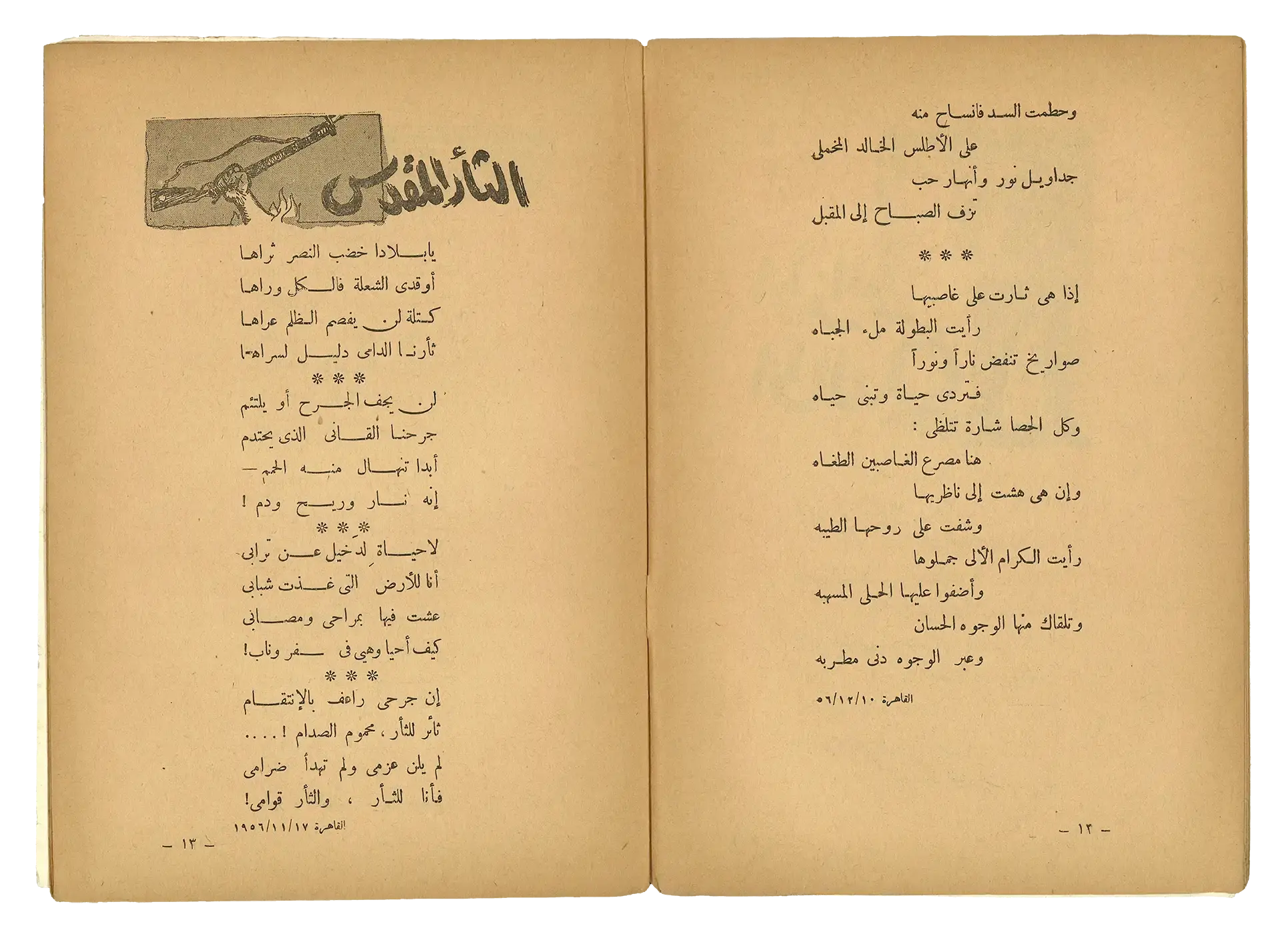
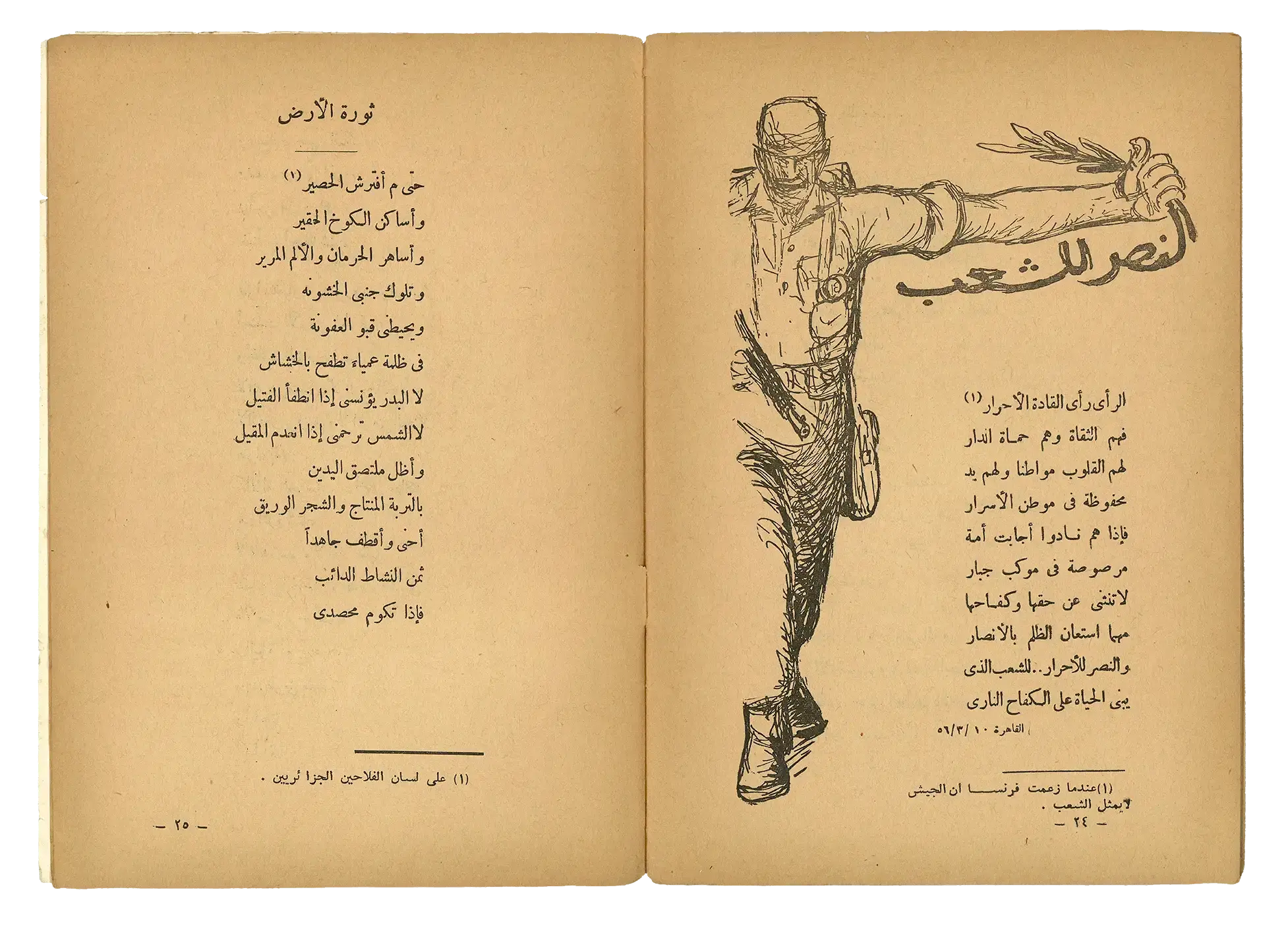
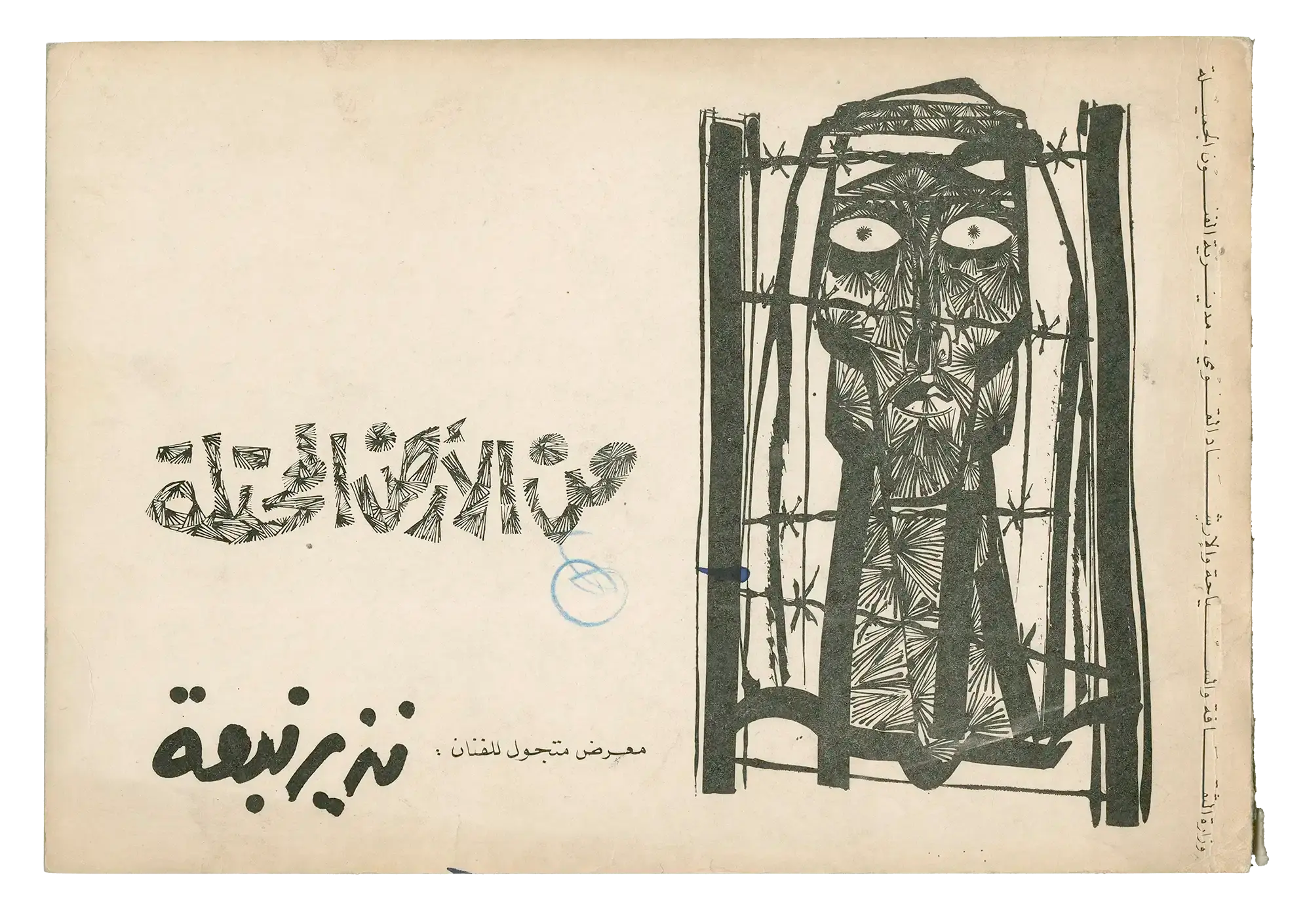
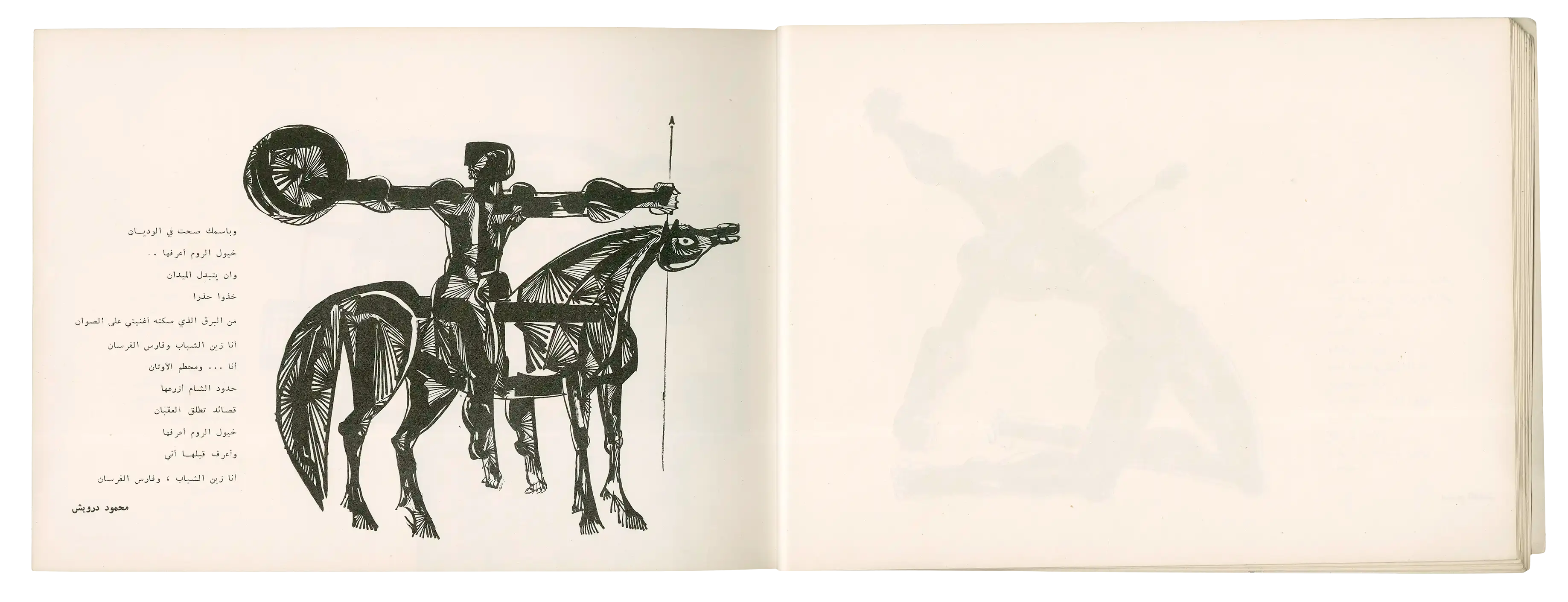
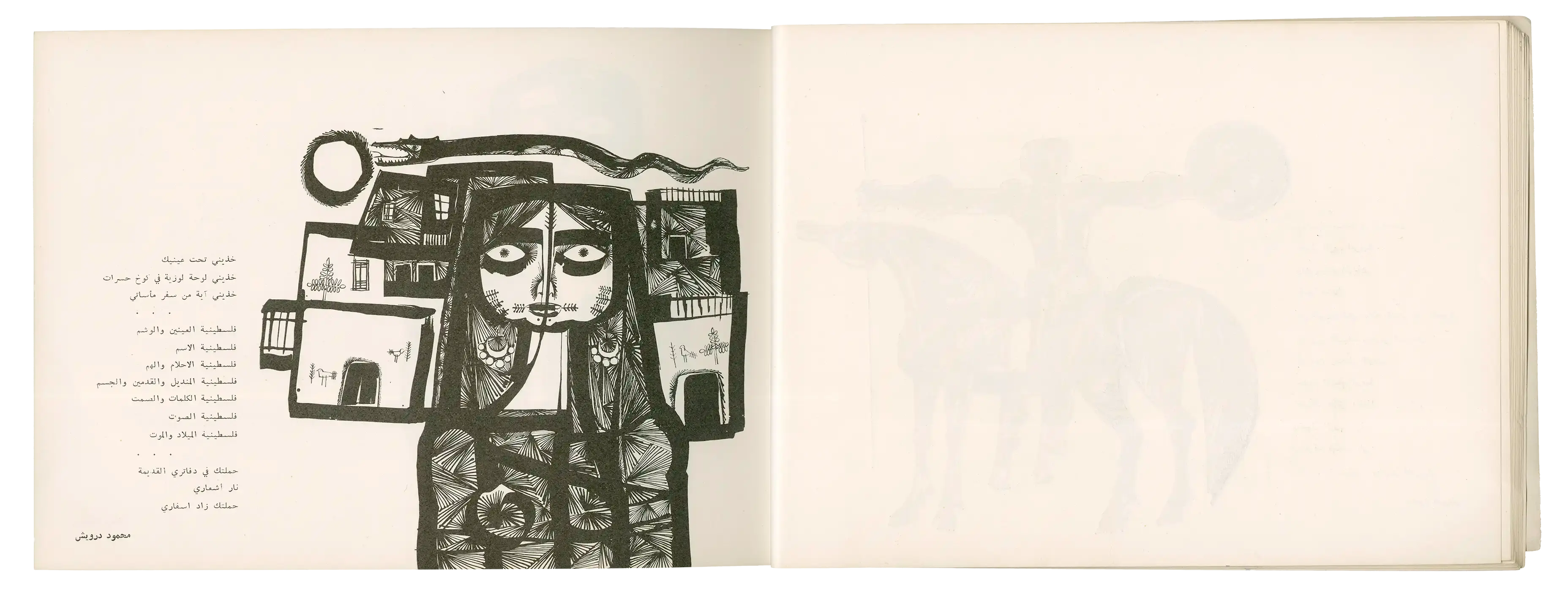
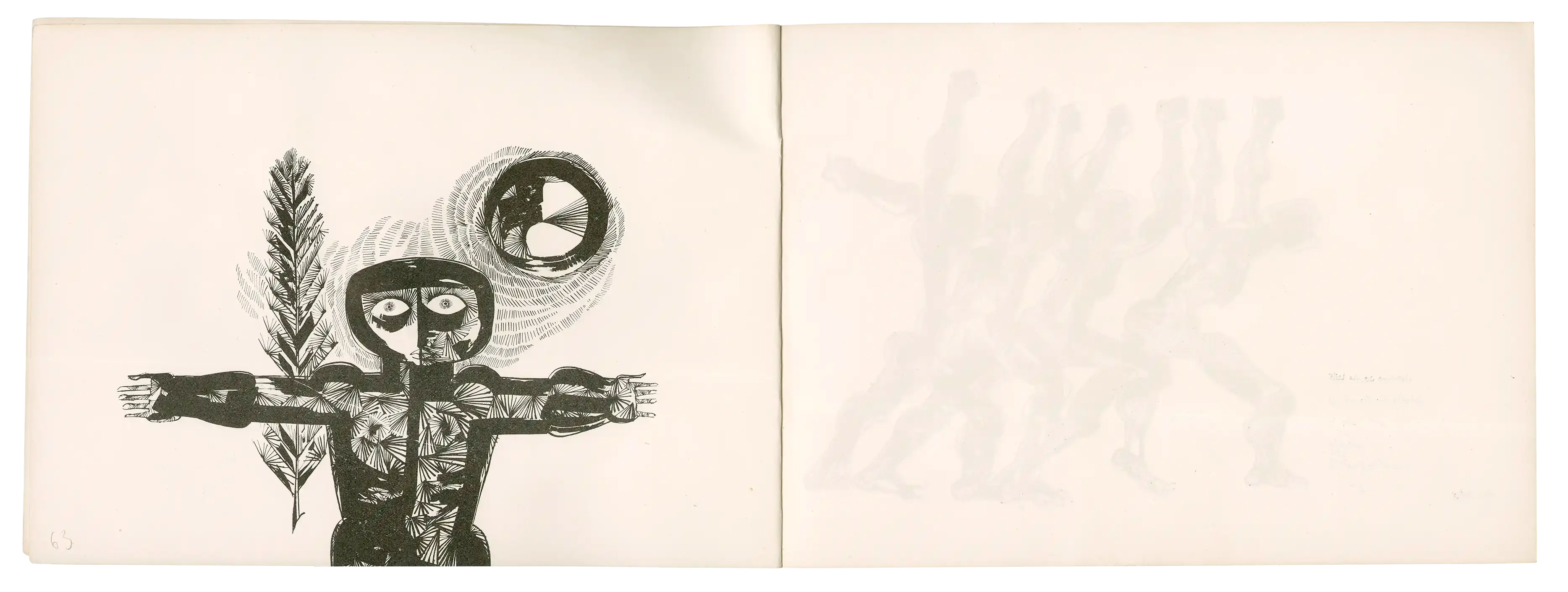
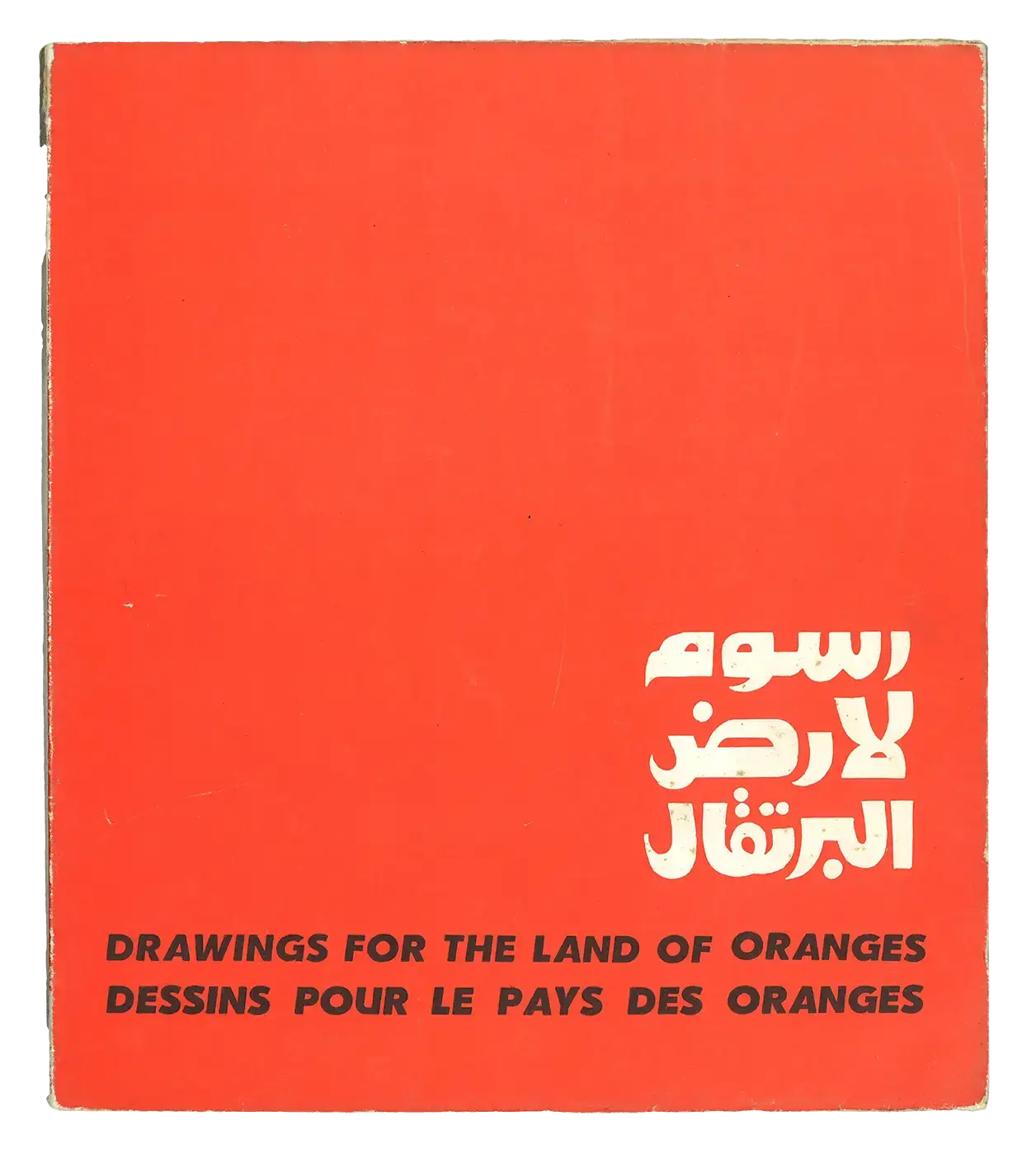
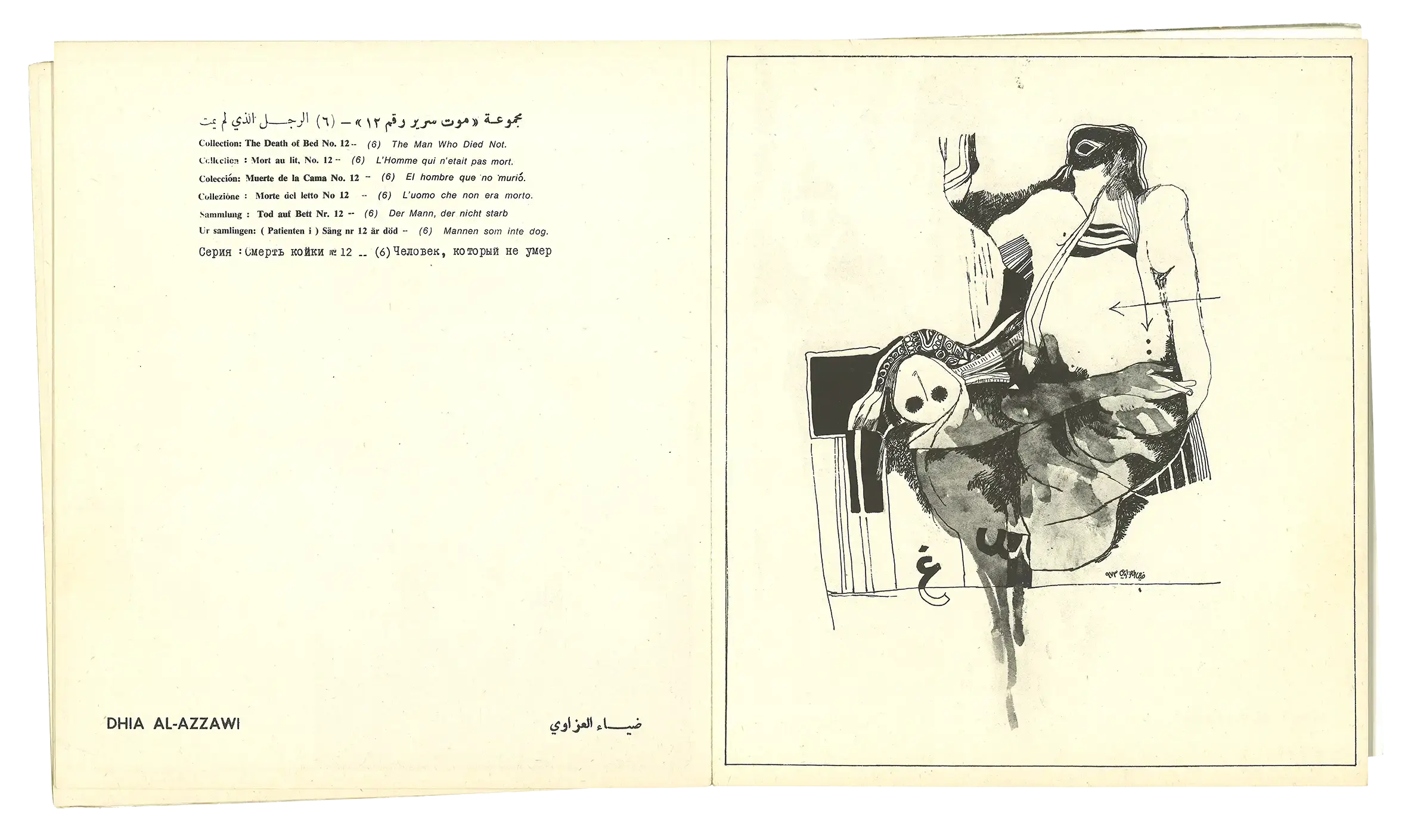
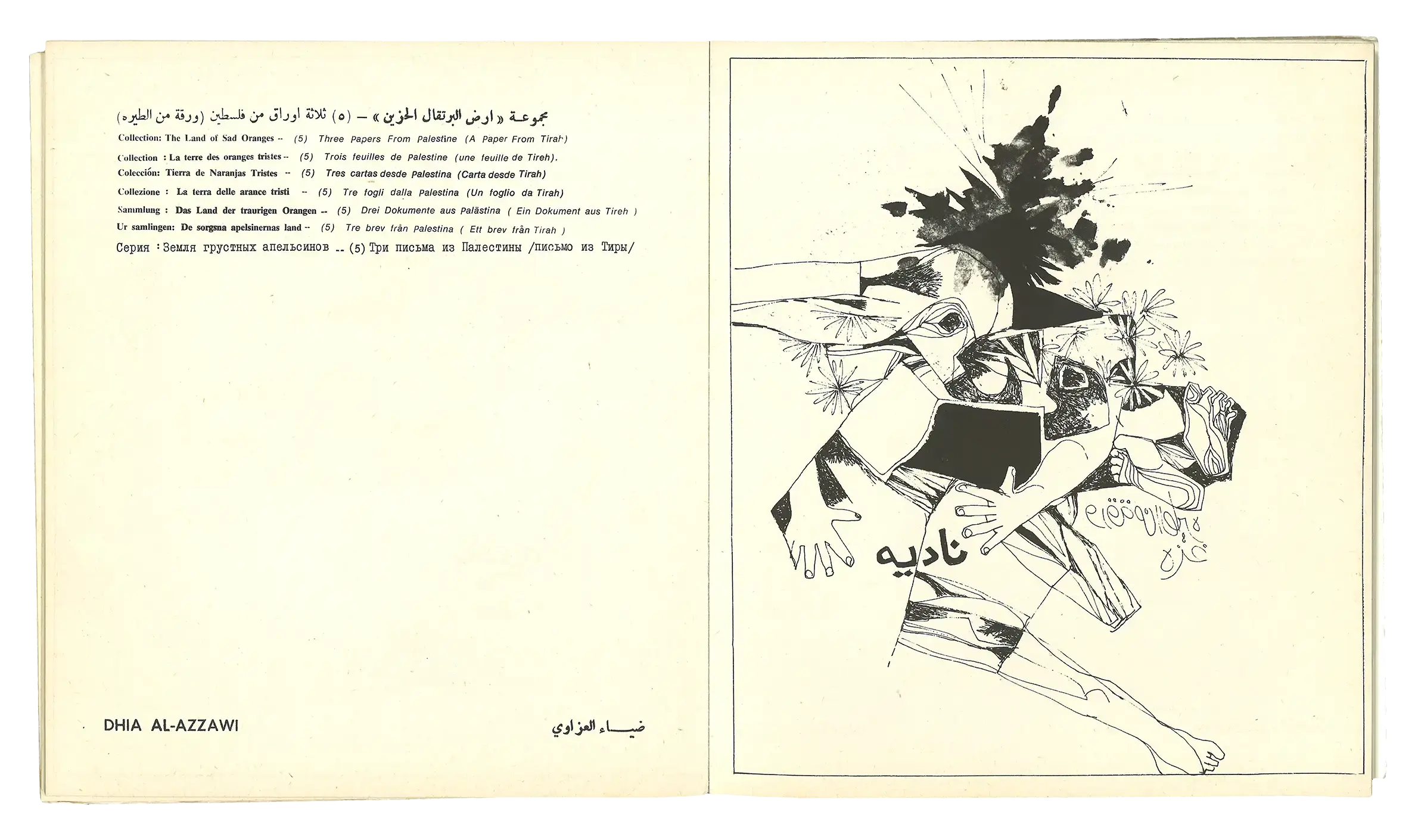
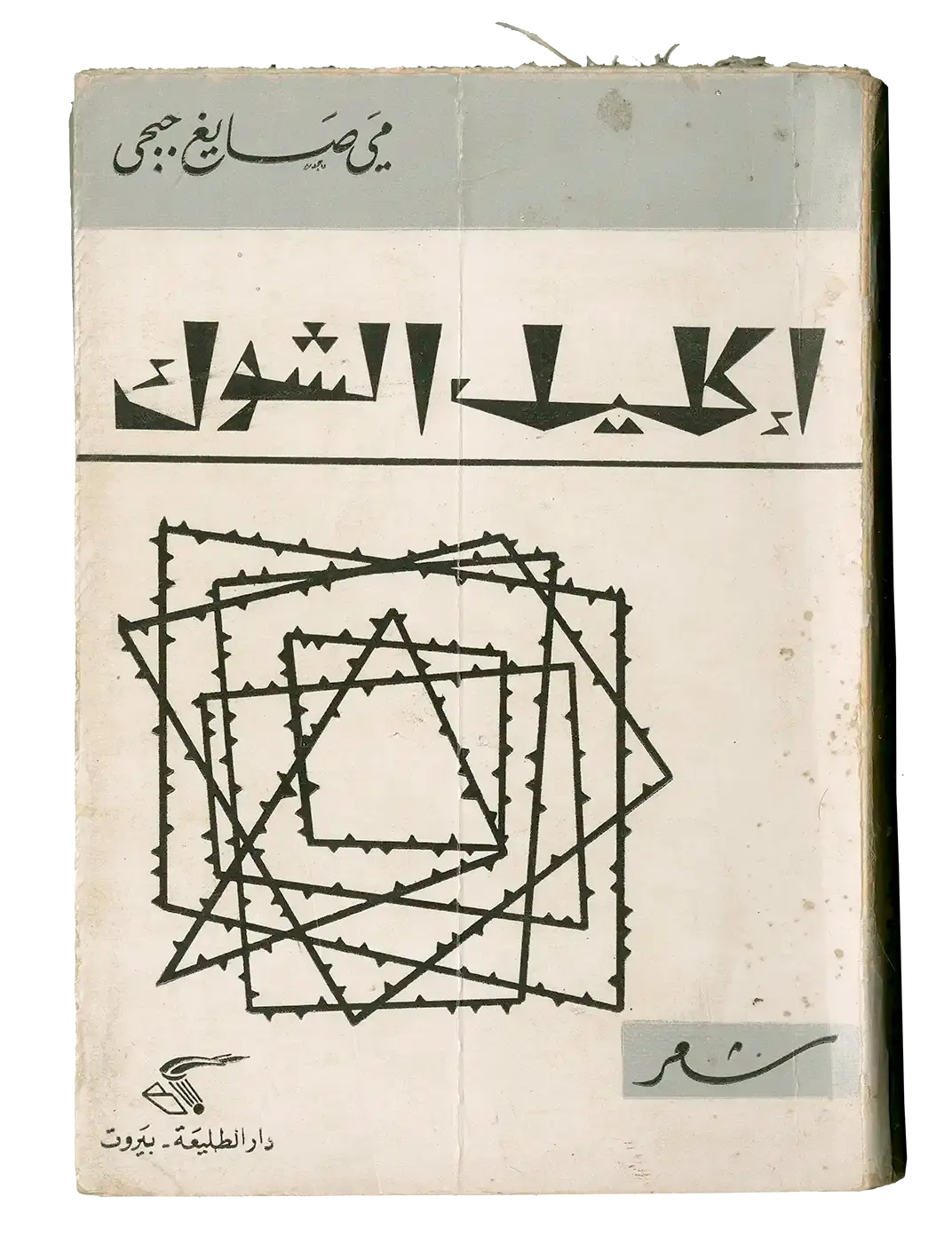
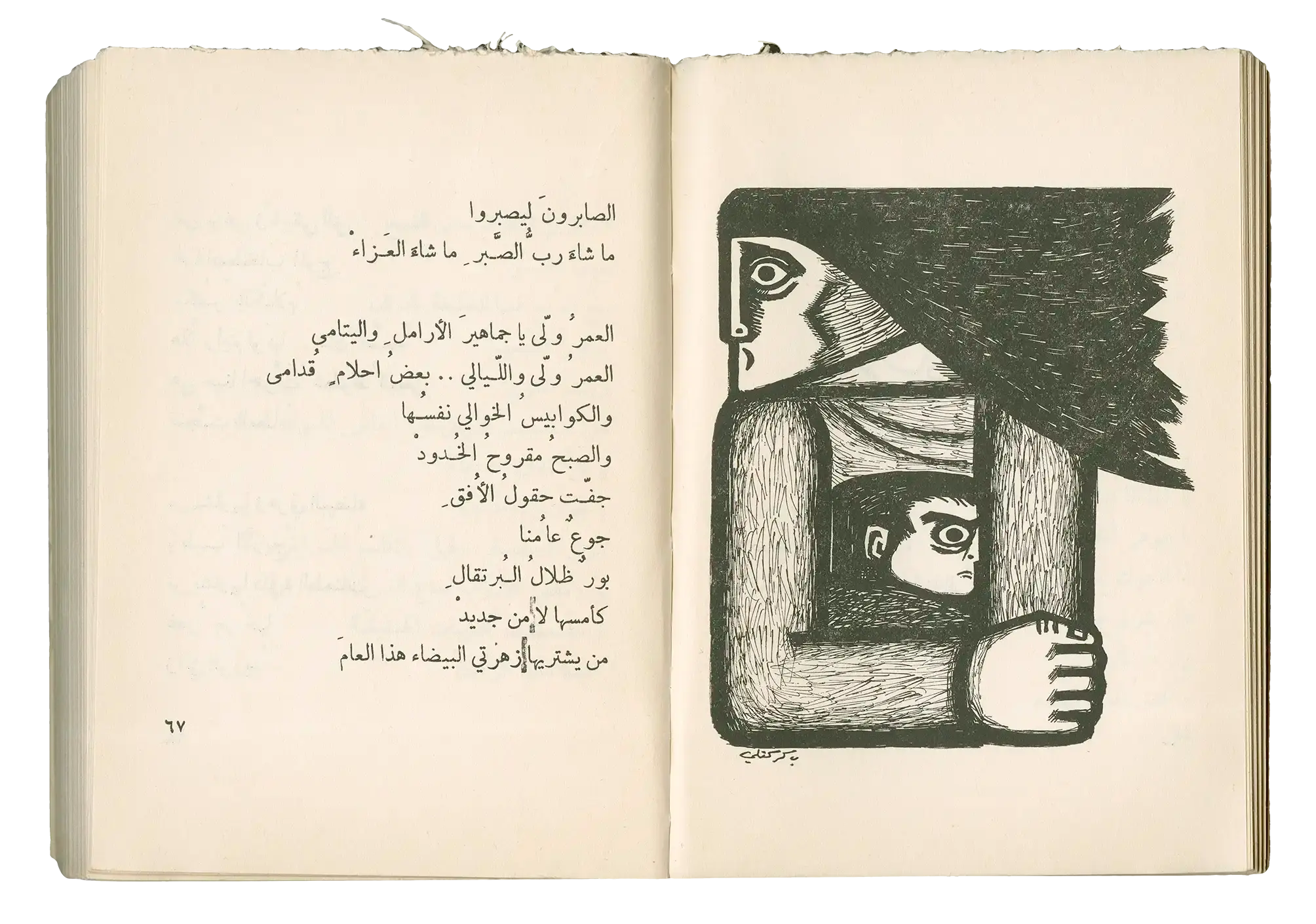
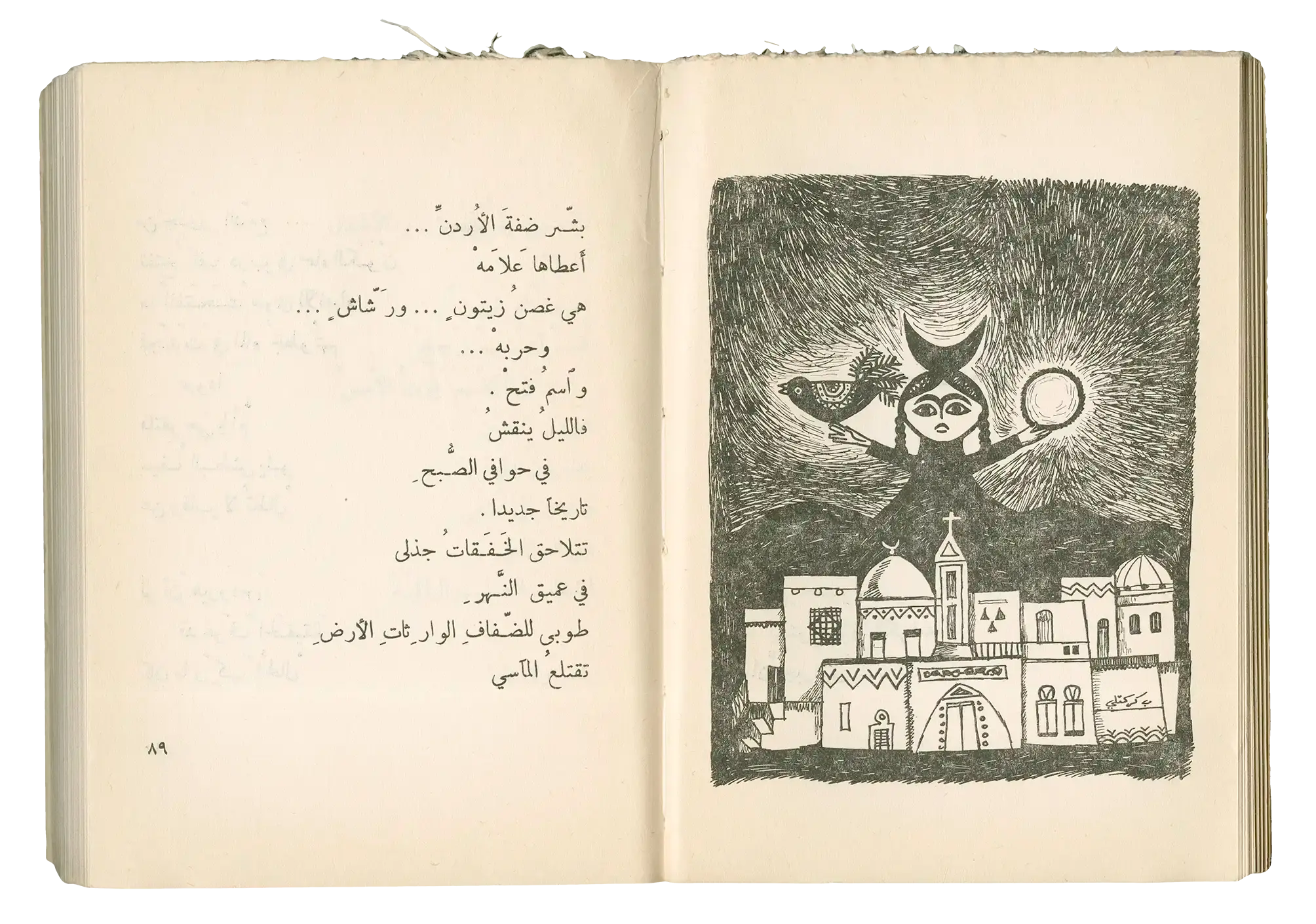
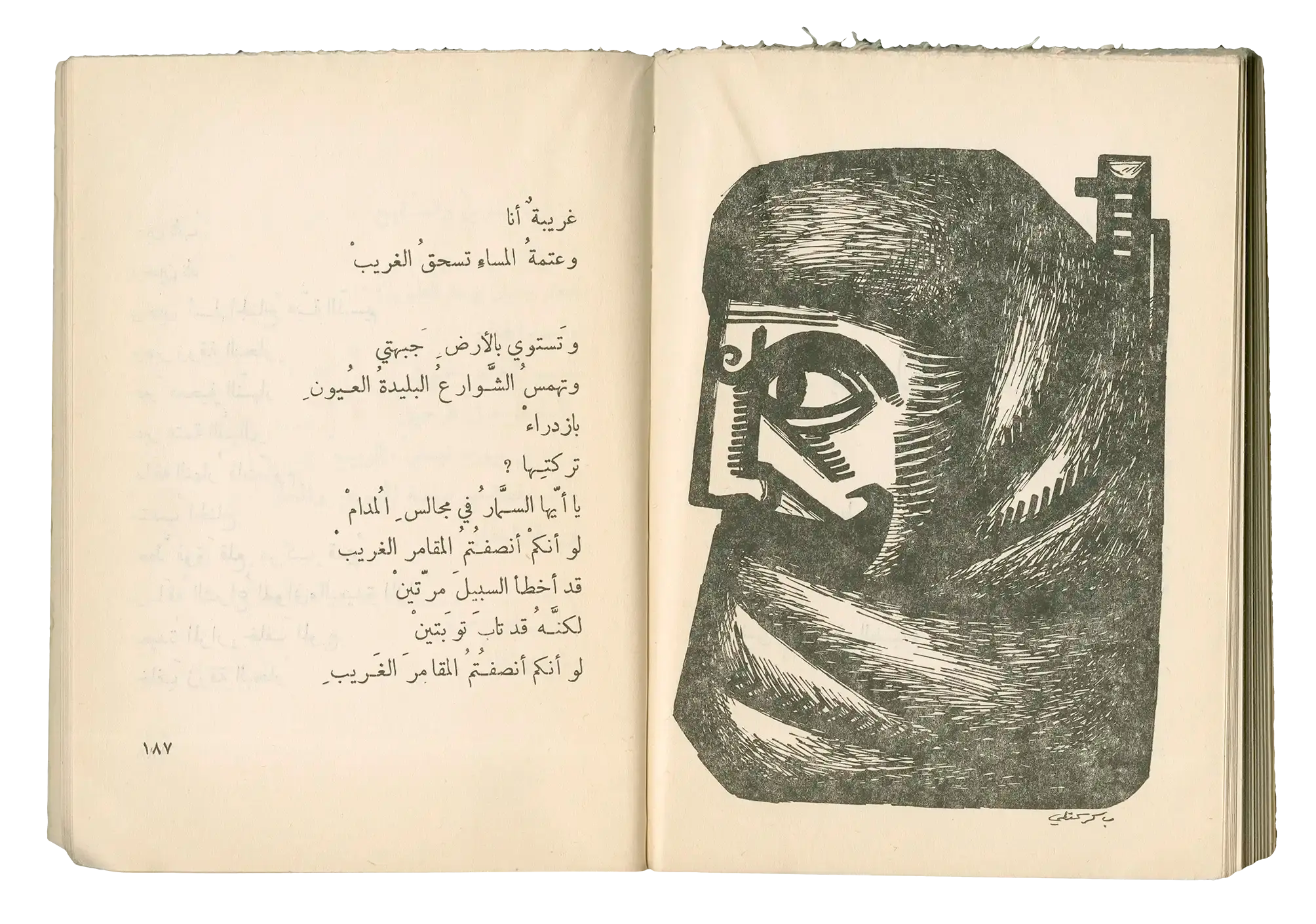
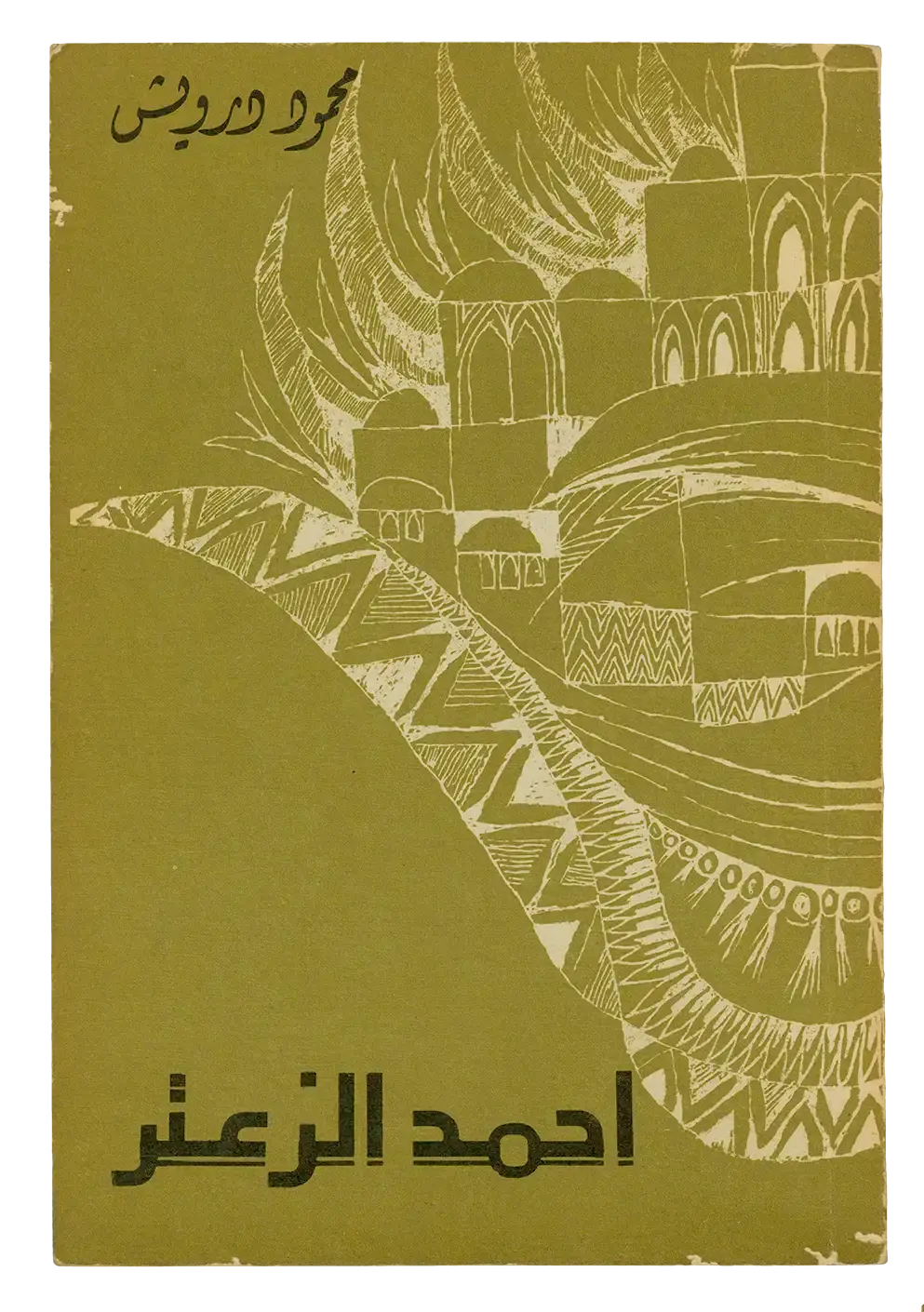
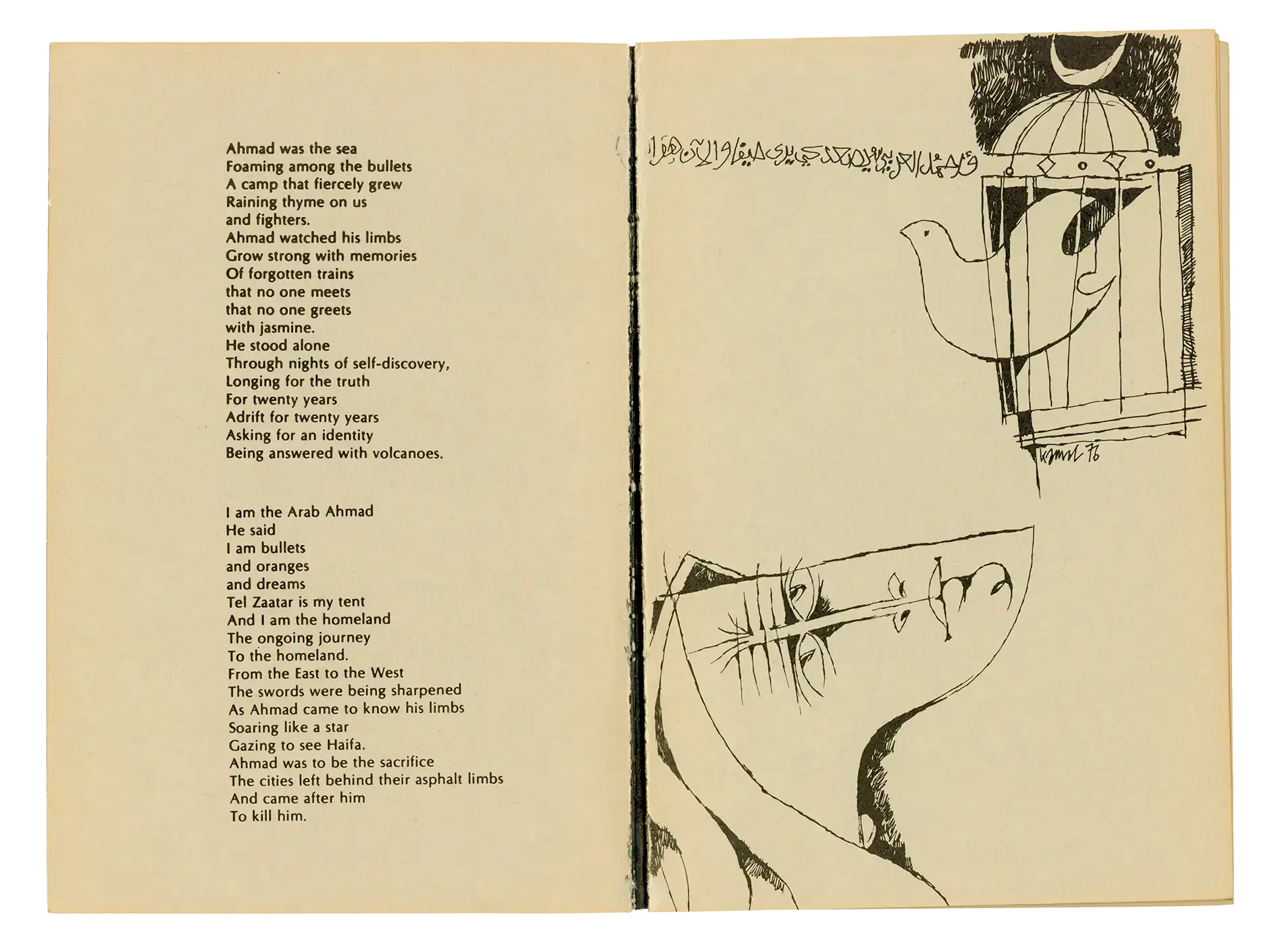
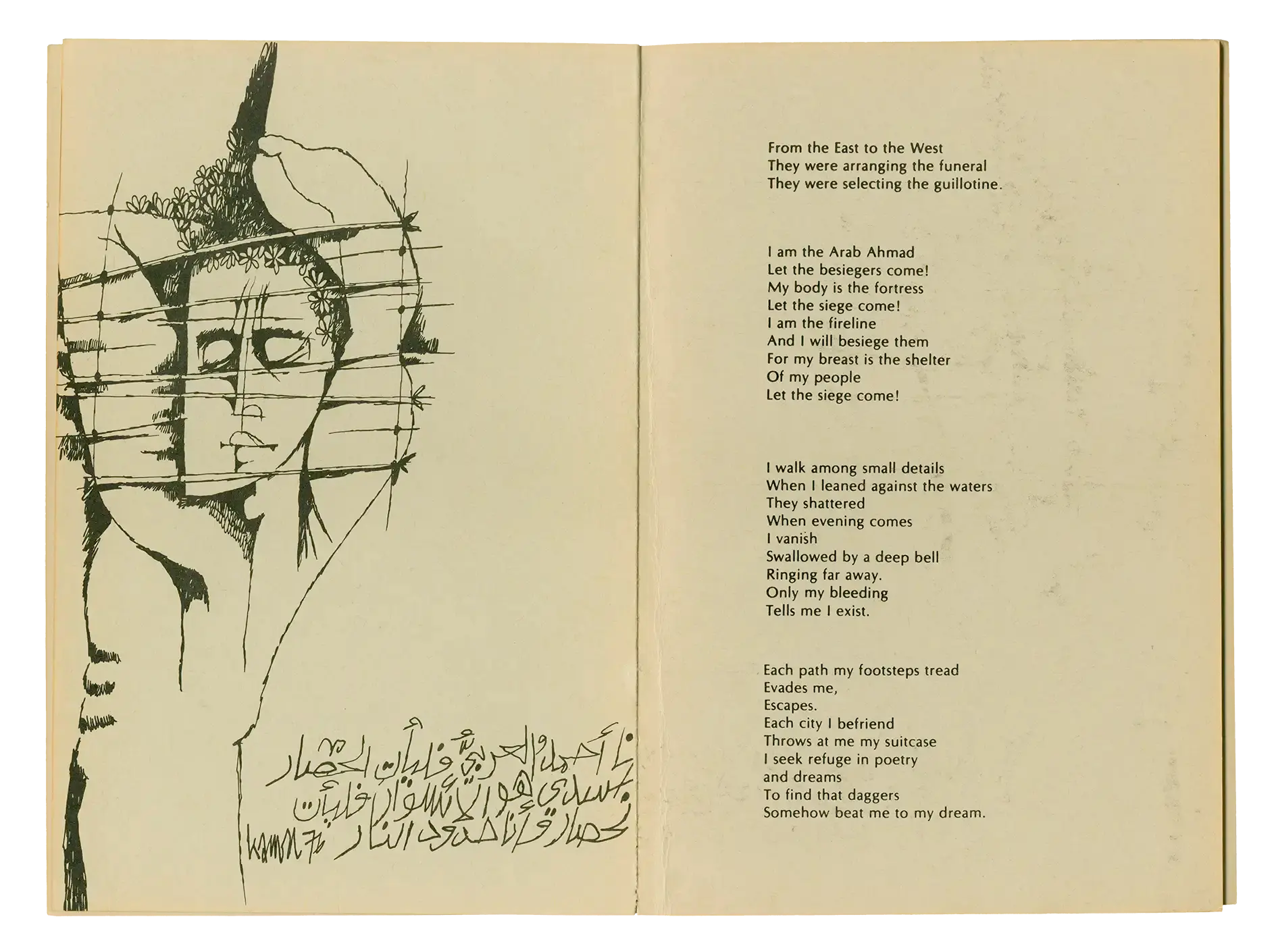
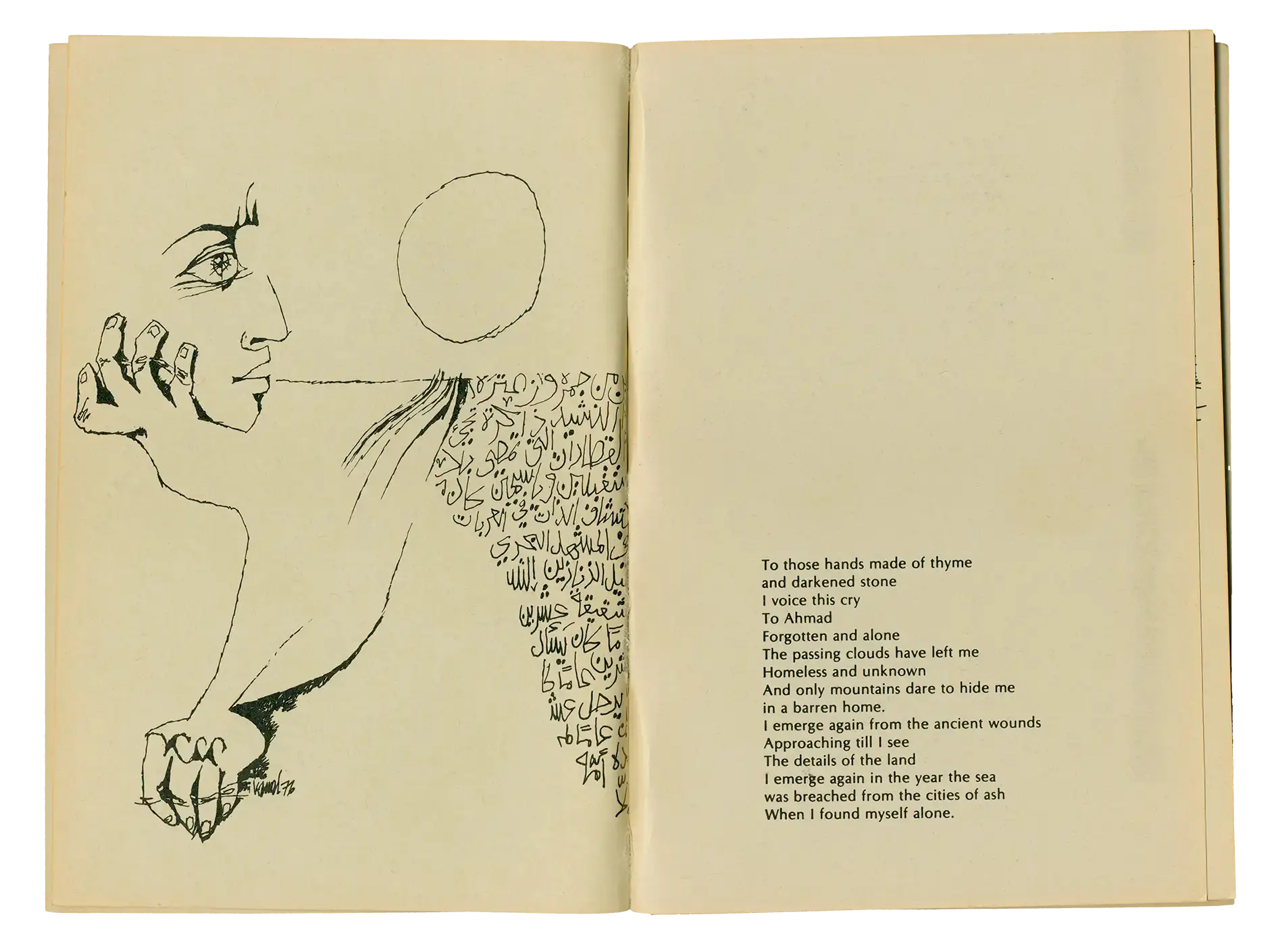
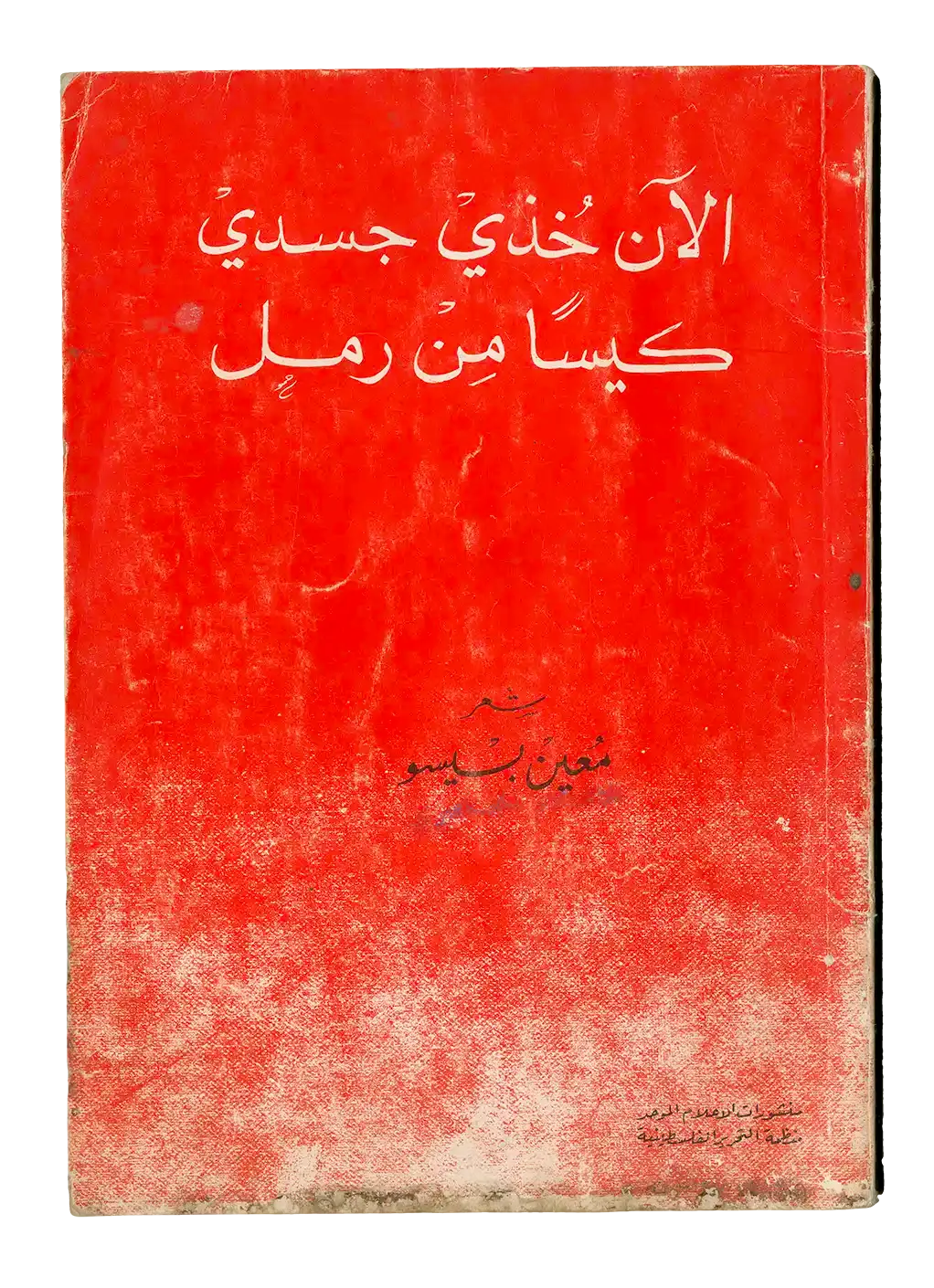
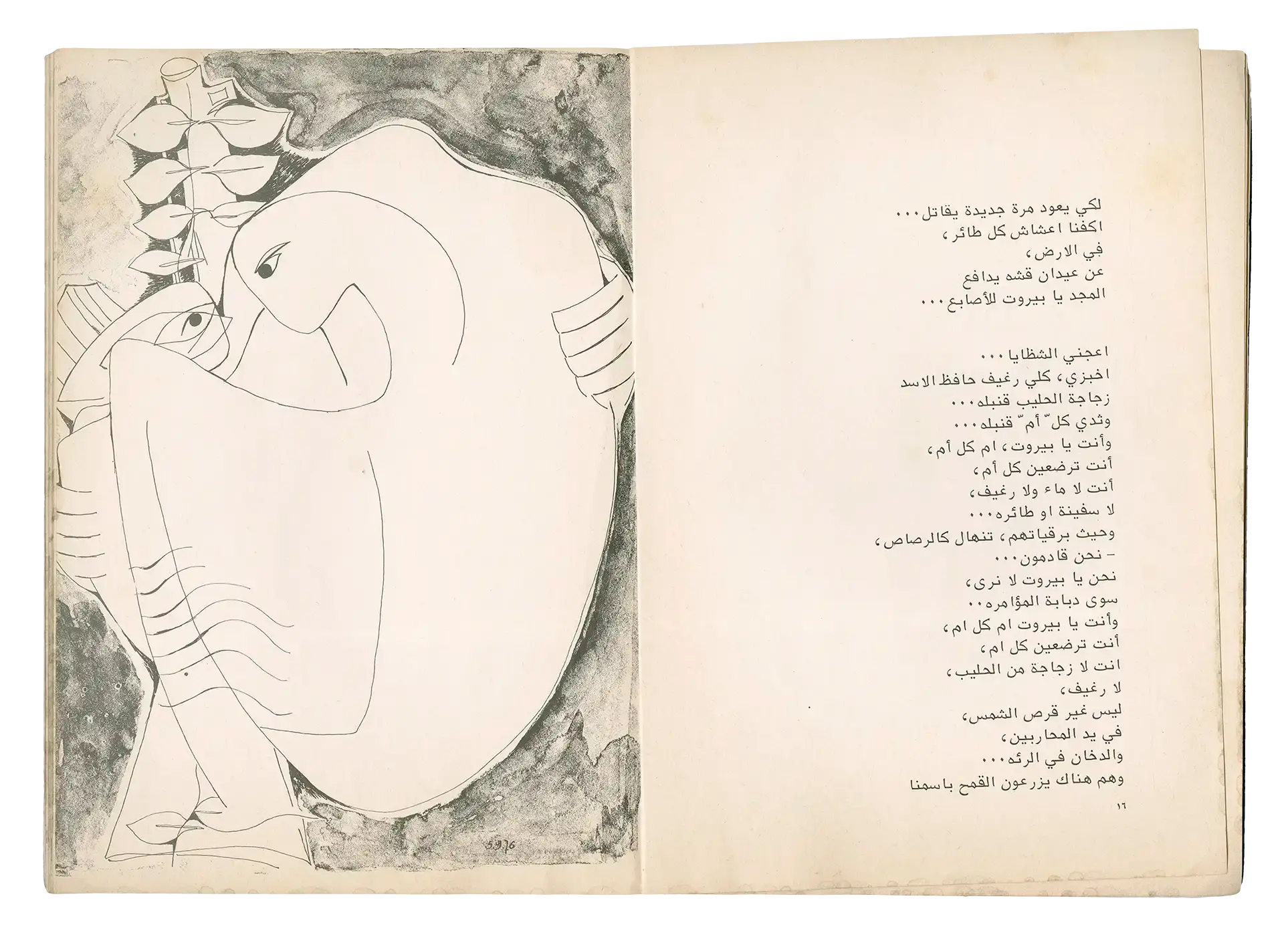
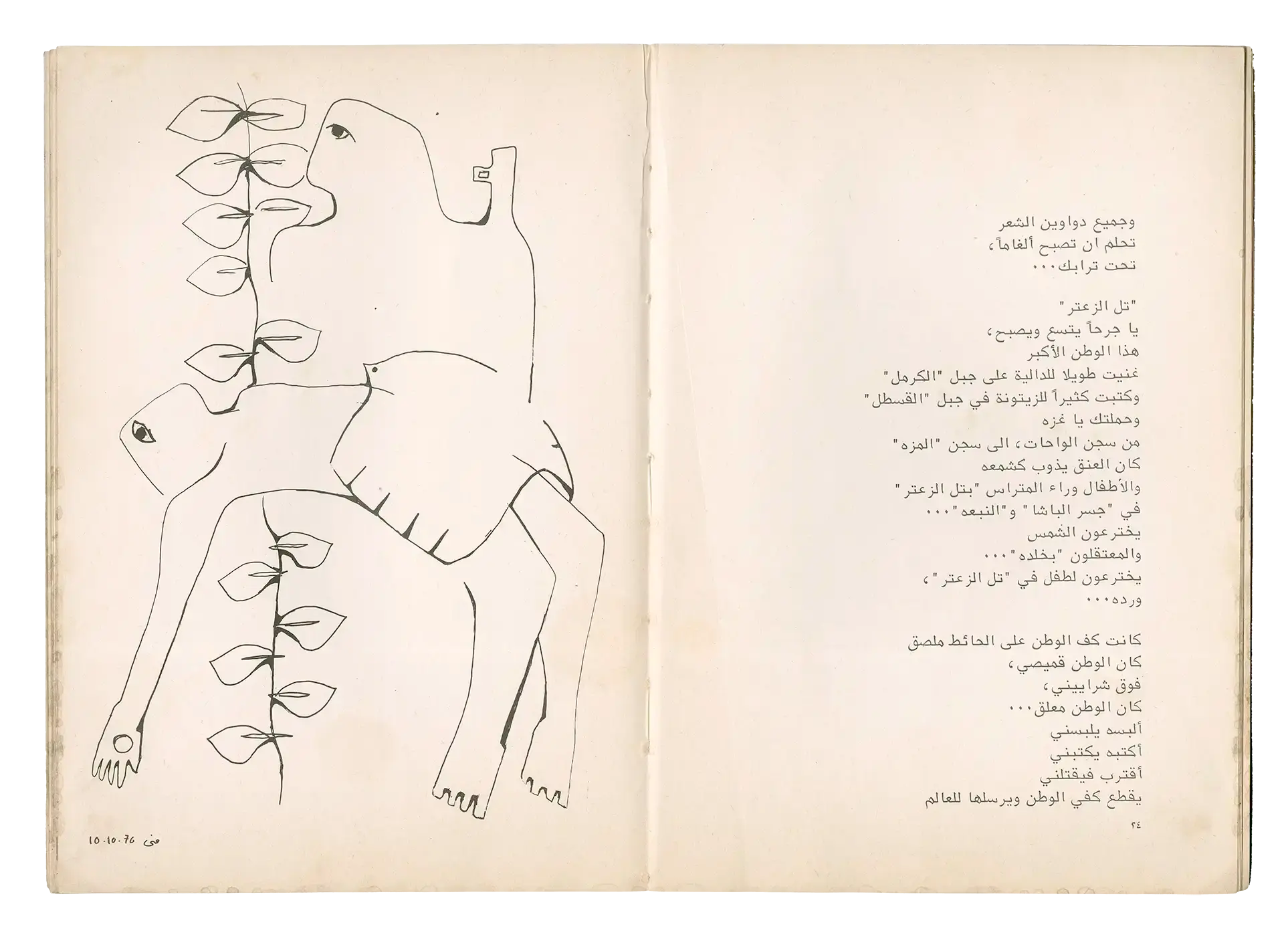
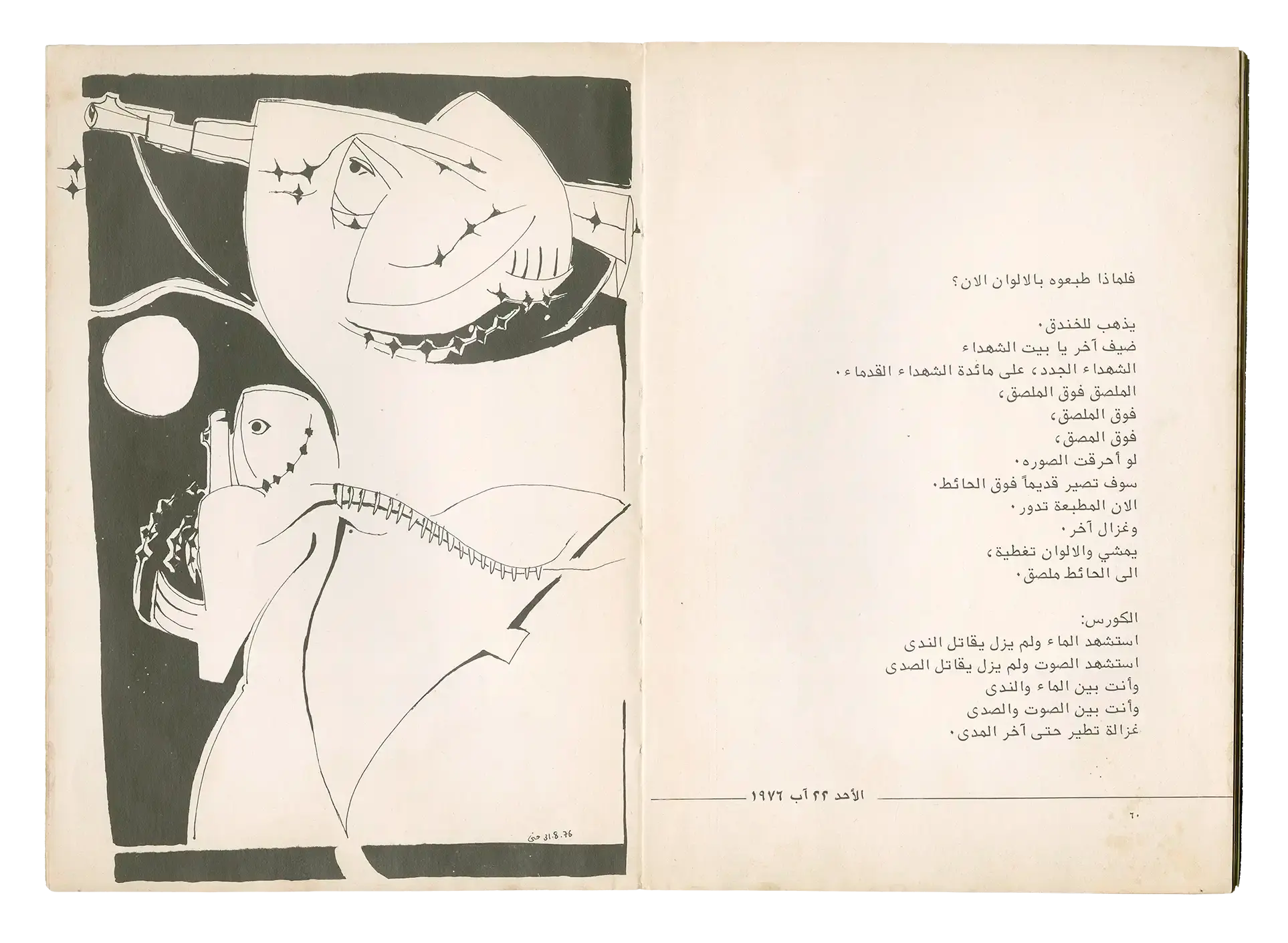
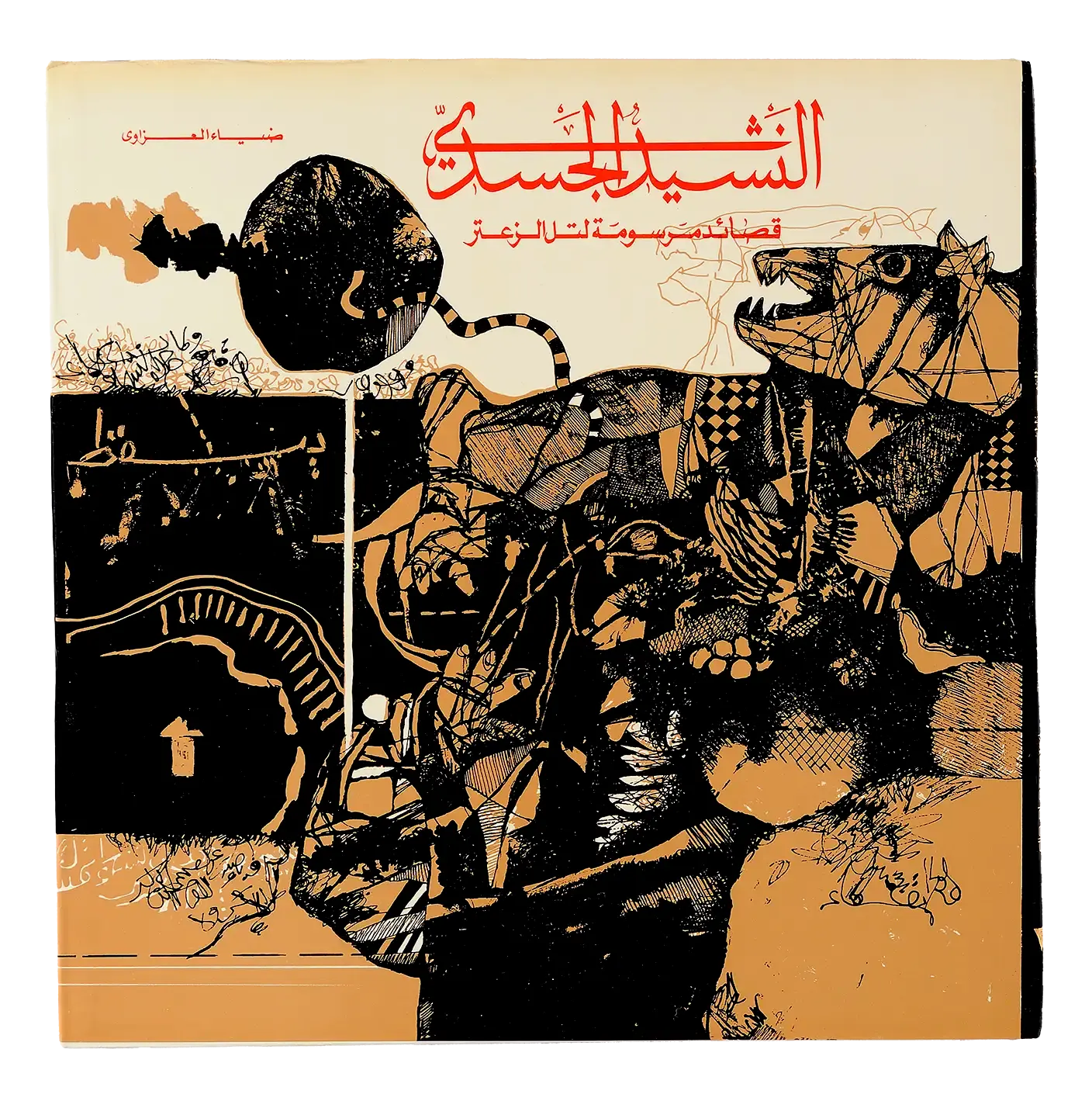
With less claim to documentary objectivity, but with a similar urge to bear witness and mobilize the politics of anti-colonial solidarity, artists and poets have responded collaboratively, using words and images charged with deep emotional meaning. In these works, the book, whether self-authored by an artist or created through collaboration, embodies a political act of solidarity in its visuality and materiality.
Here, the artwork is not confined to a single drawing on the page. Rather, art is made in and through the reproducible and circulatory power of the book as a communicative and performative act.
شهادات الأطفال
Children’s Testimony
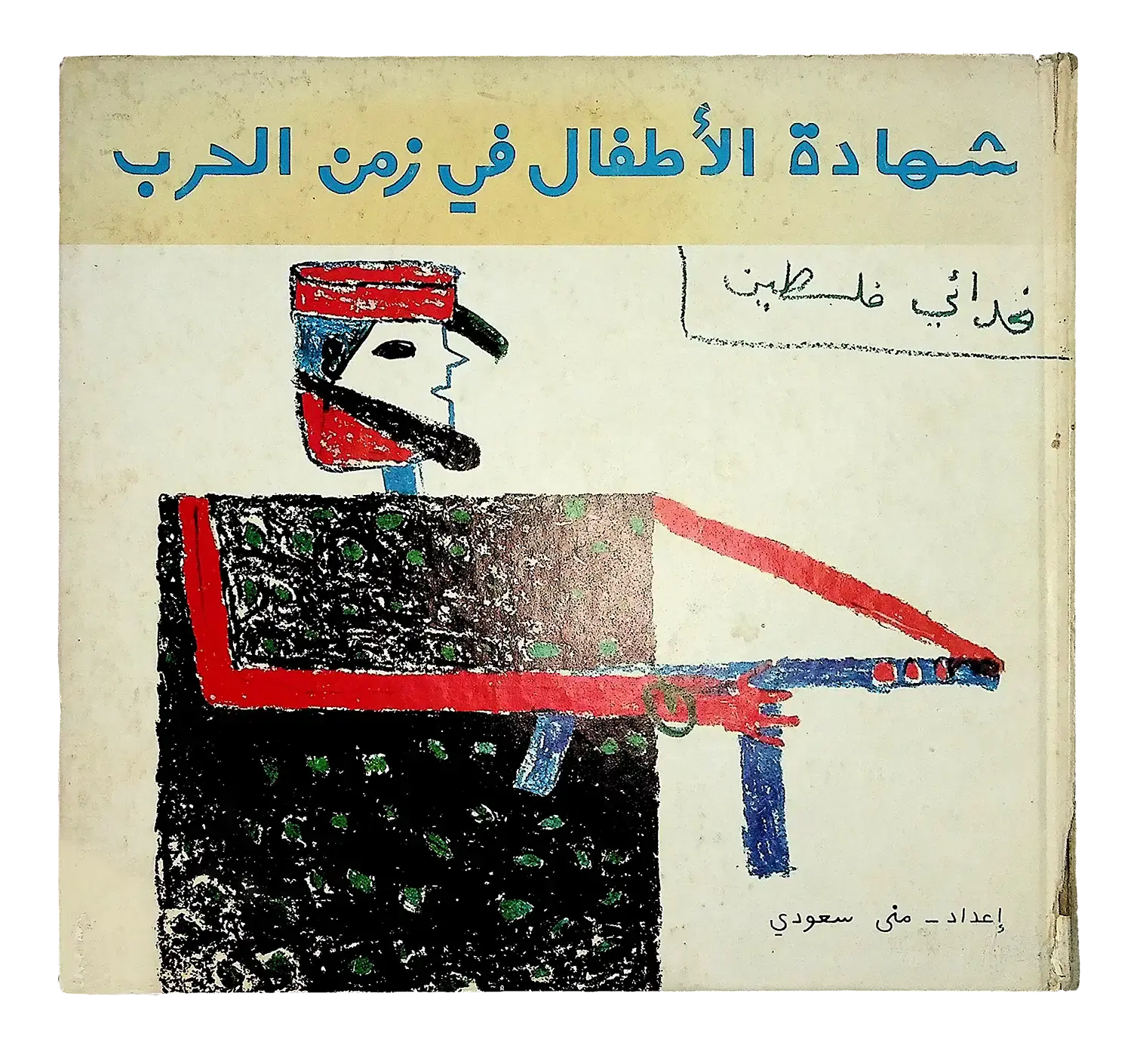
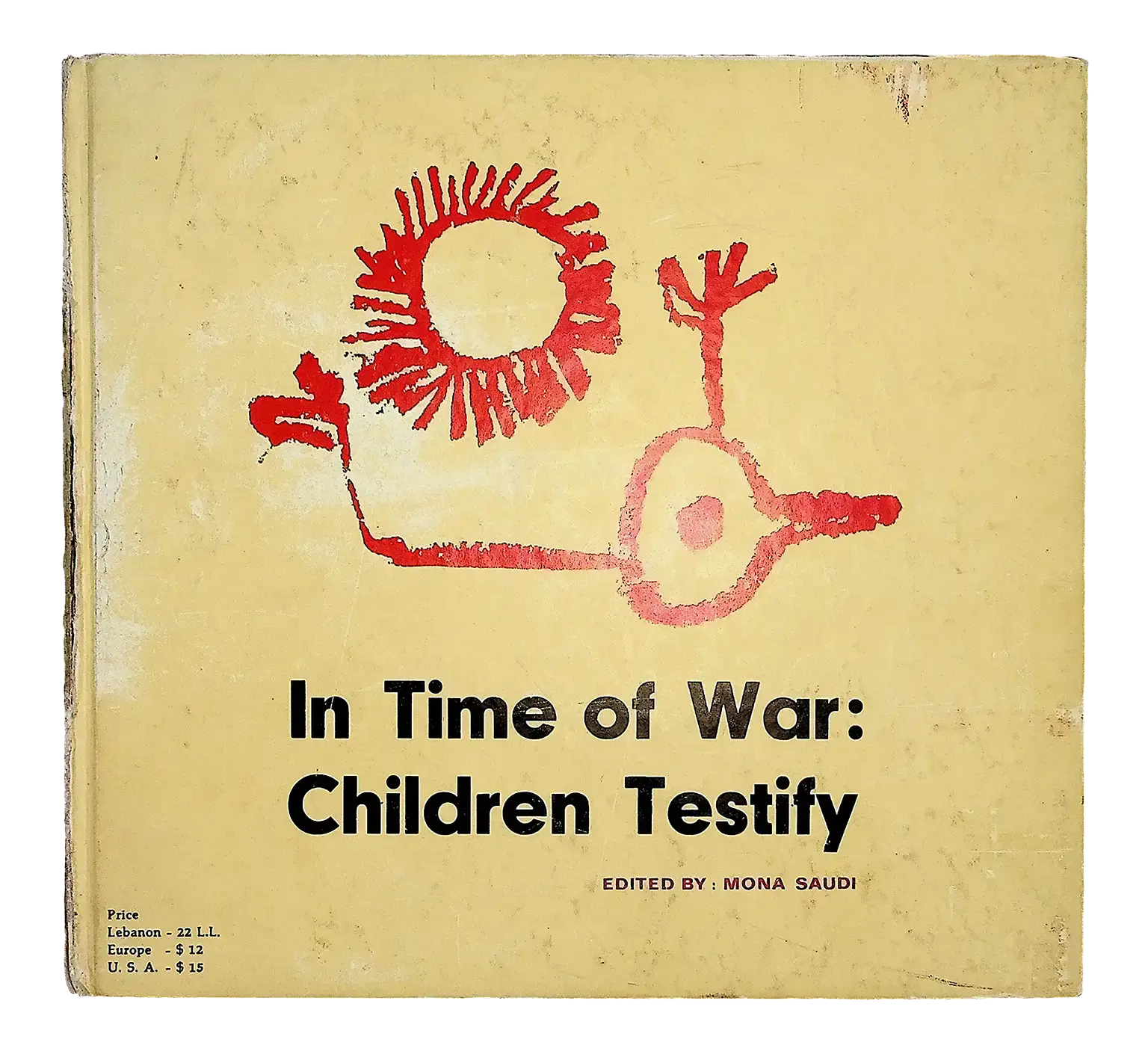
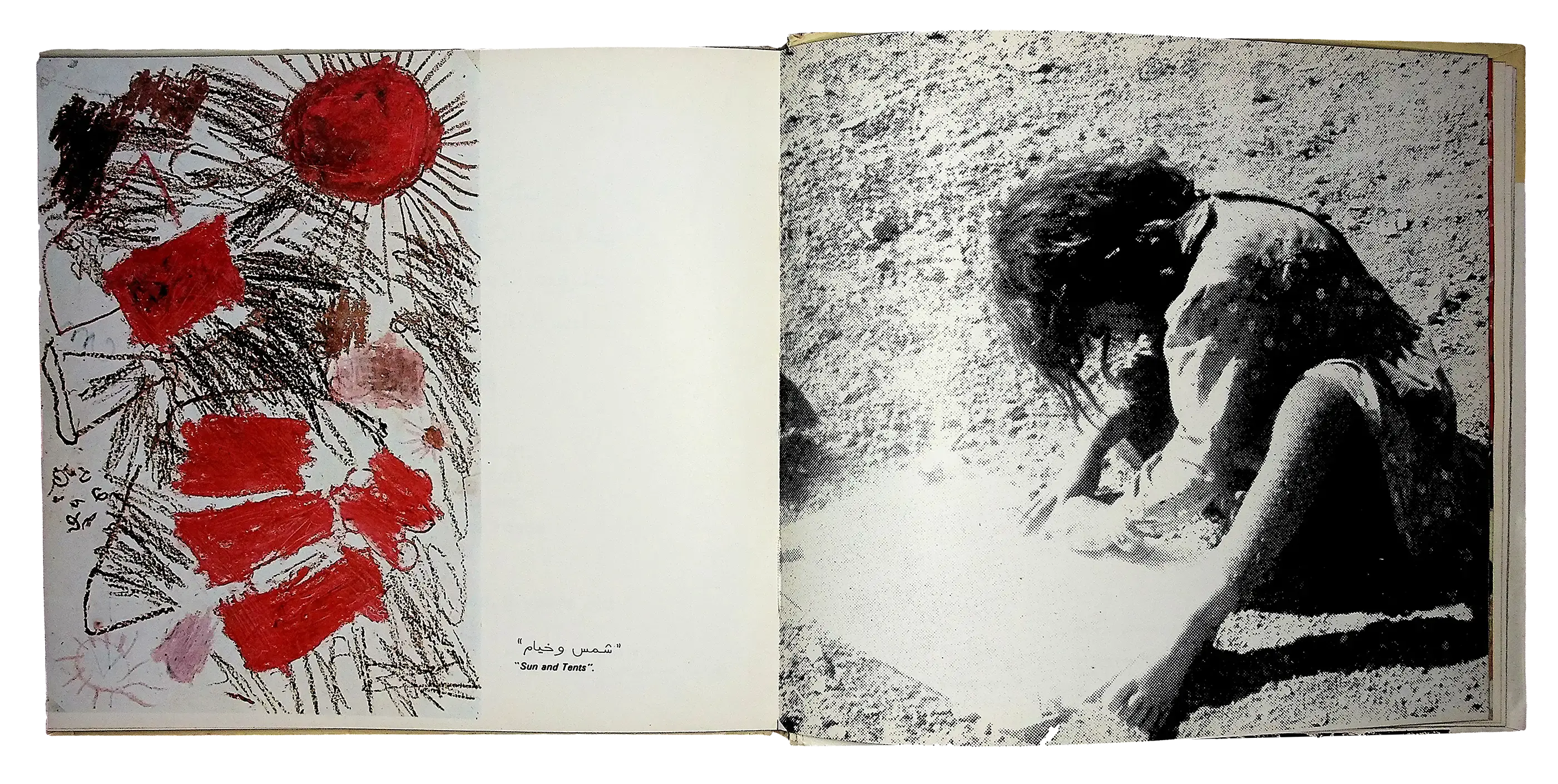
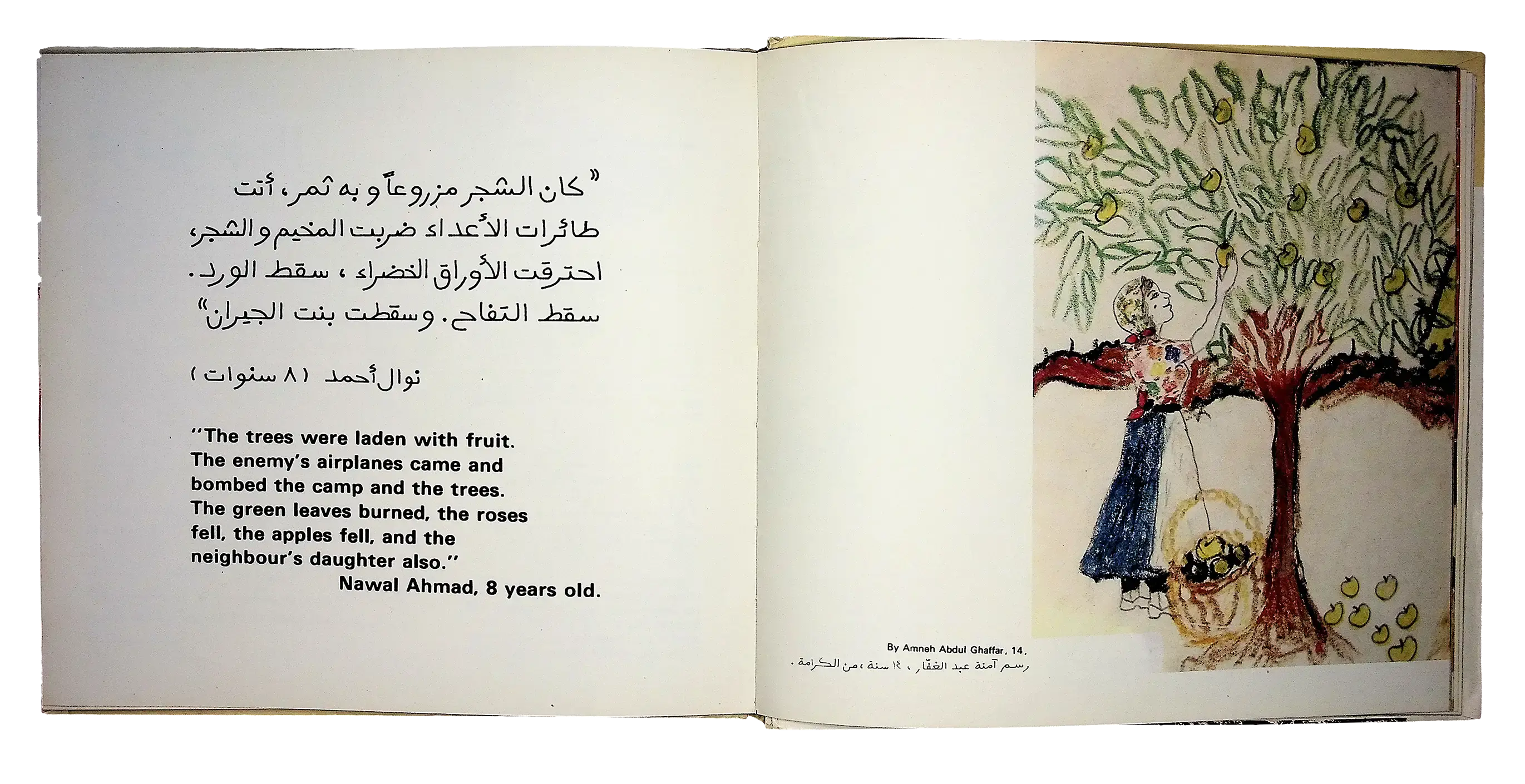
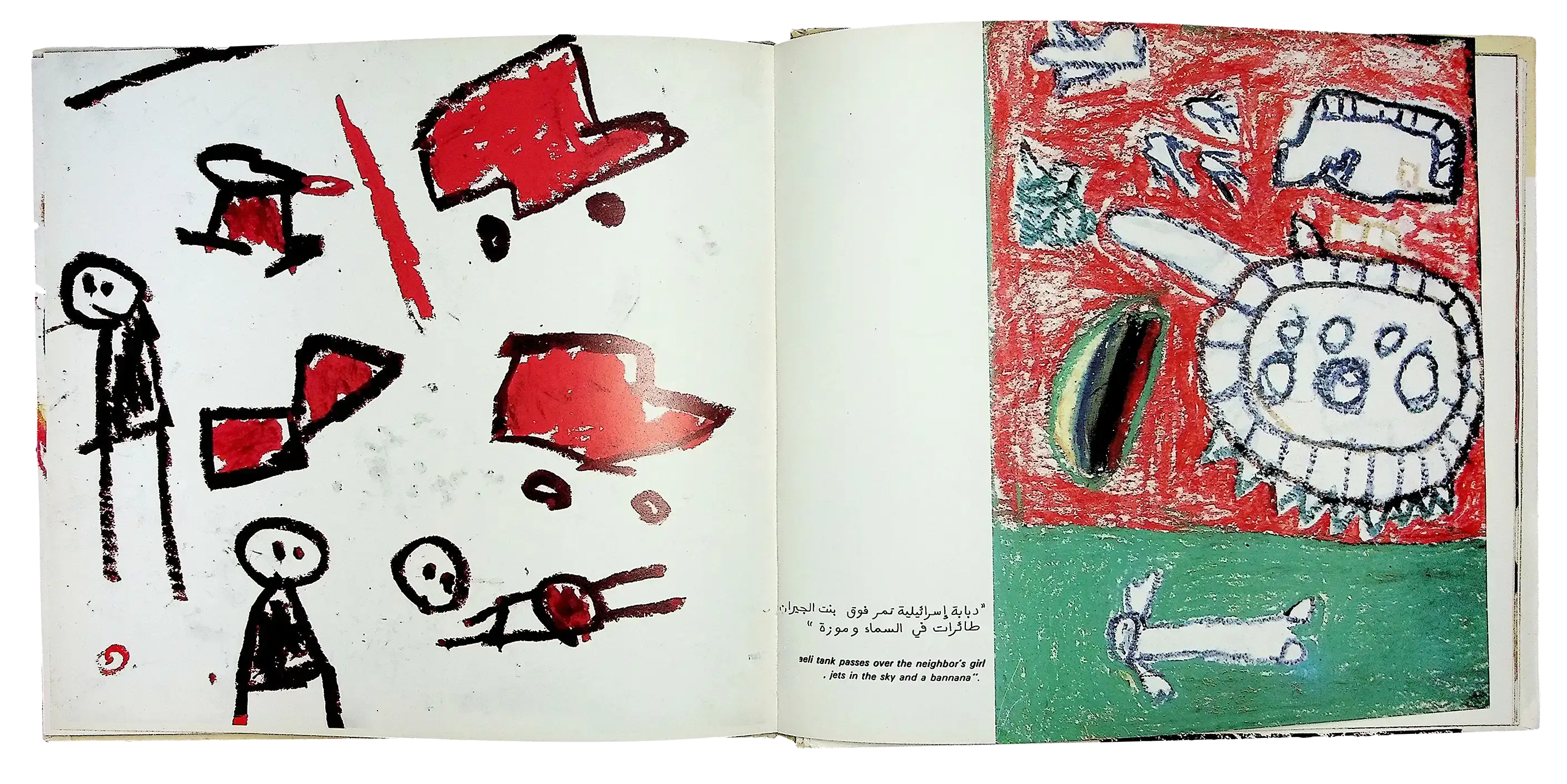
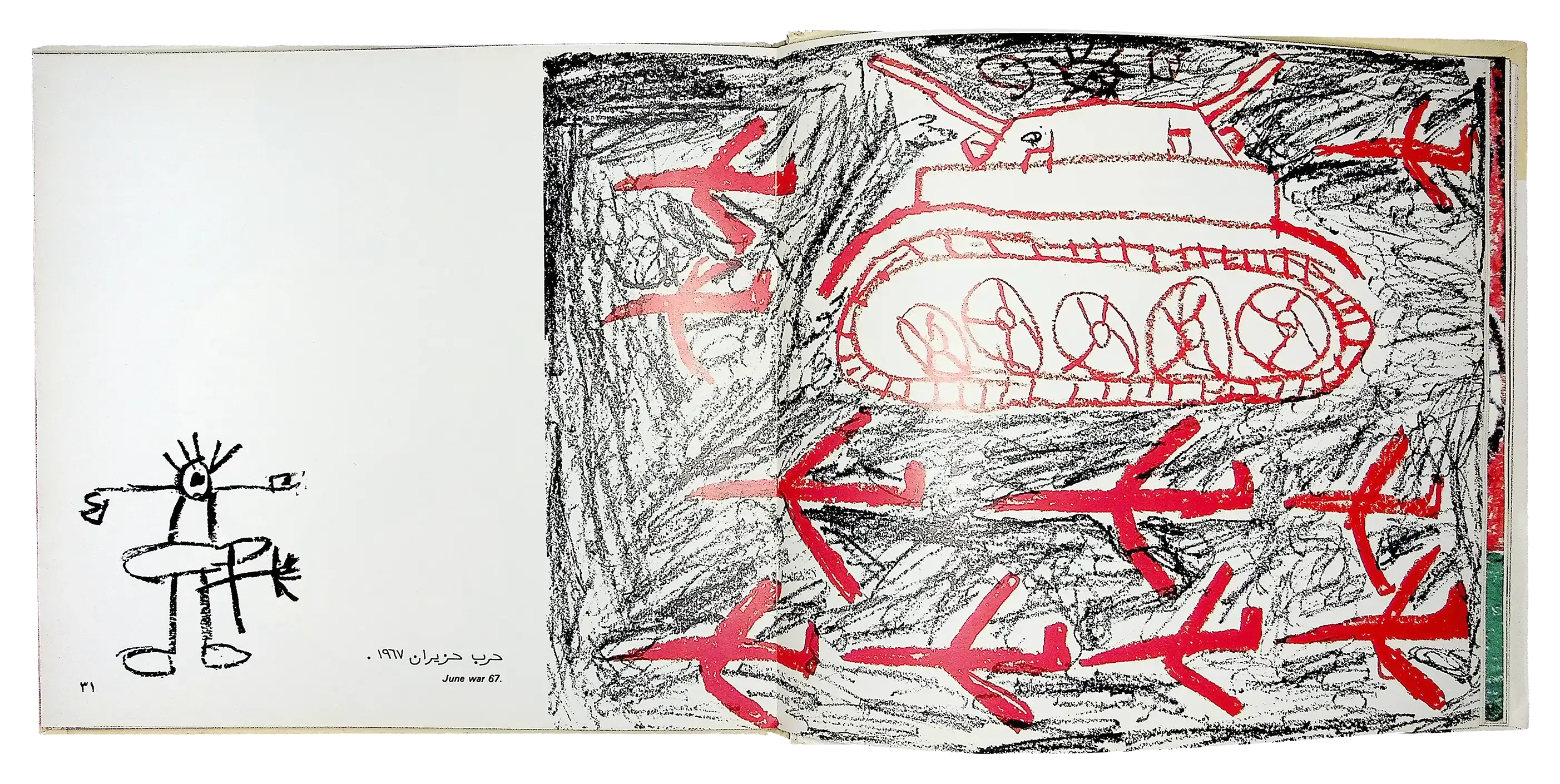
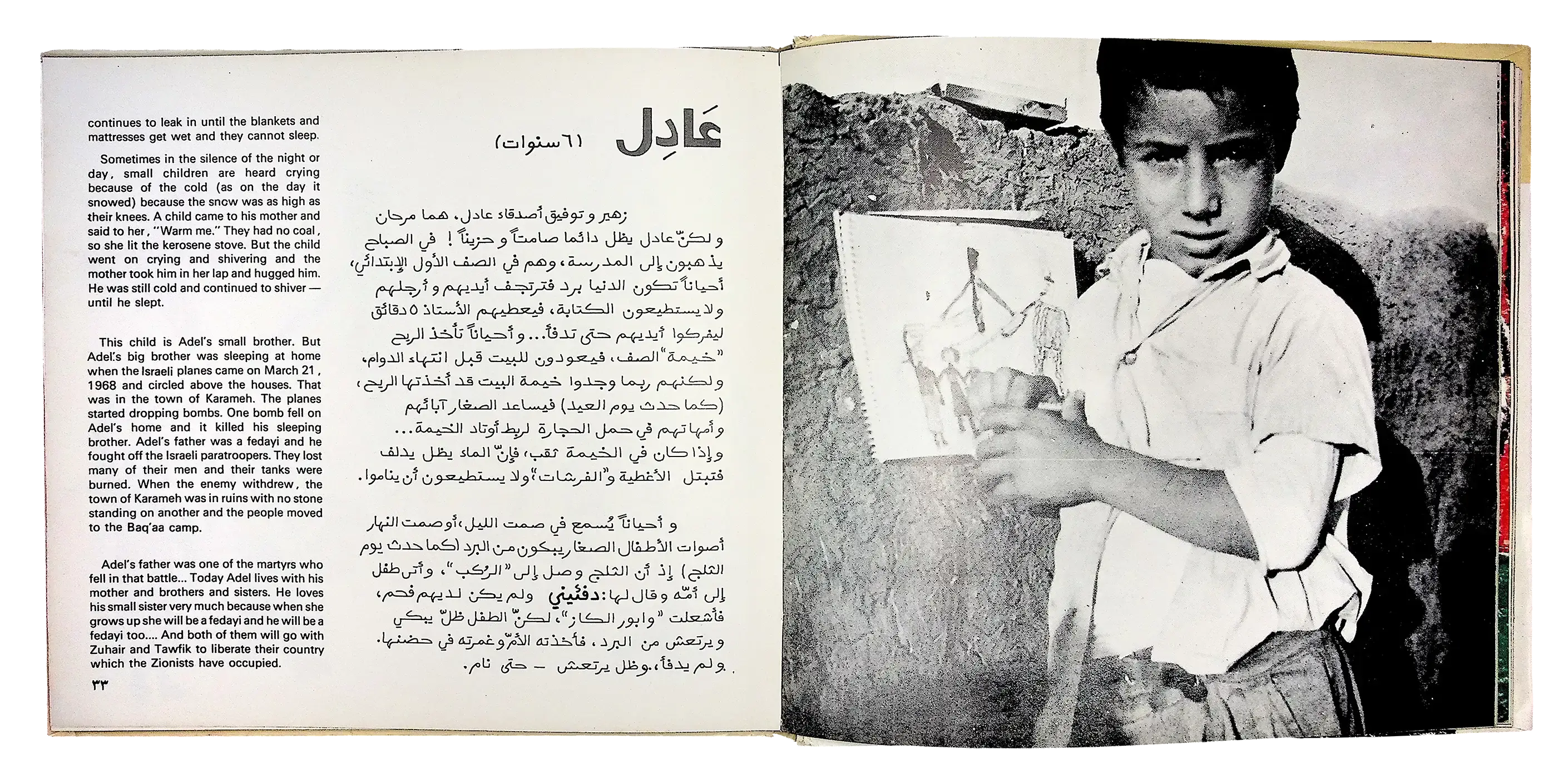
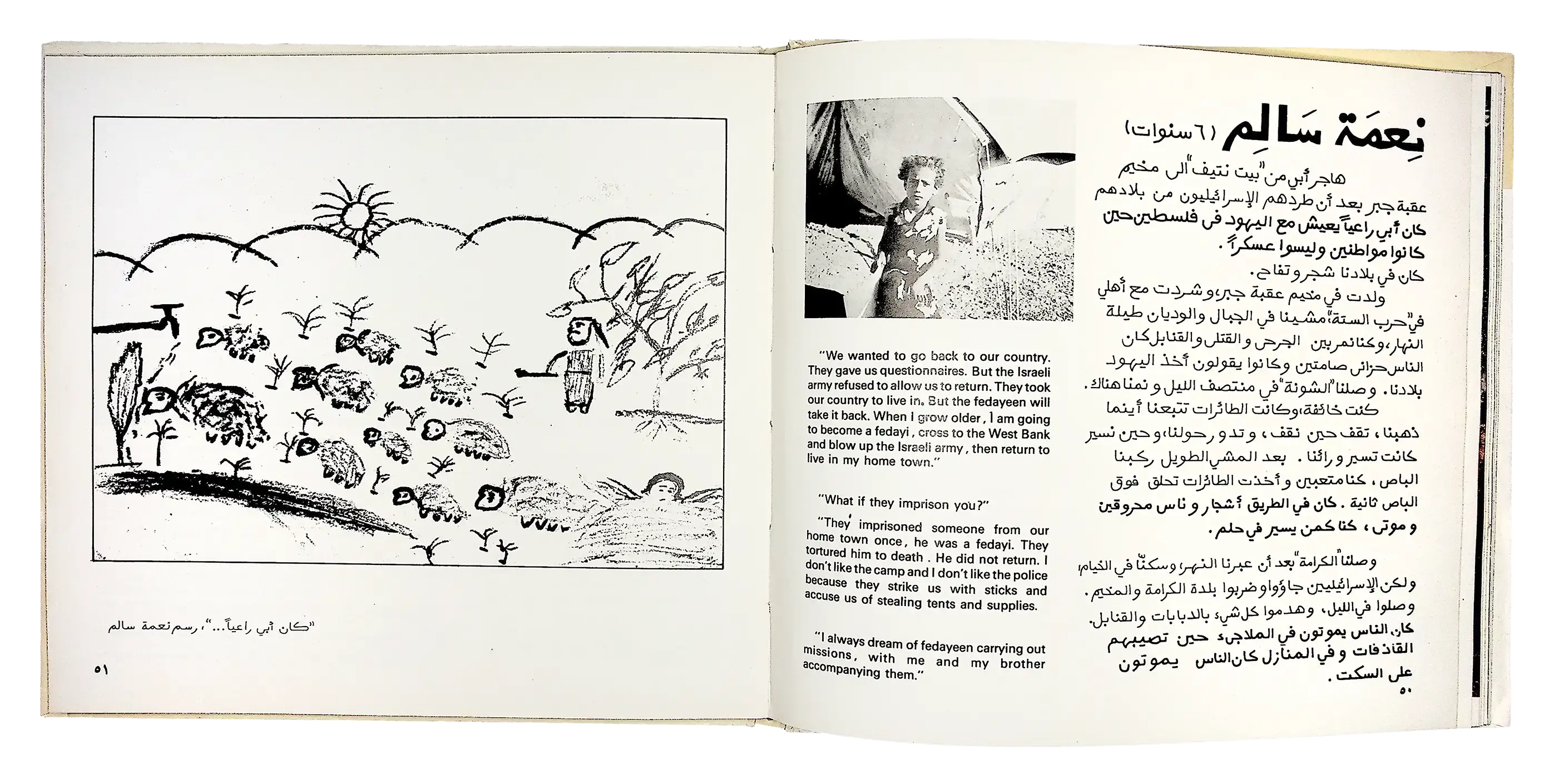
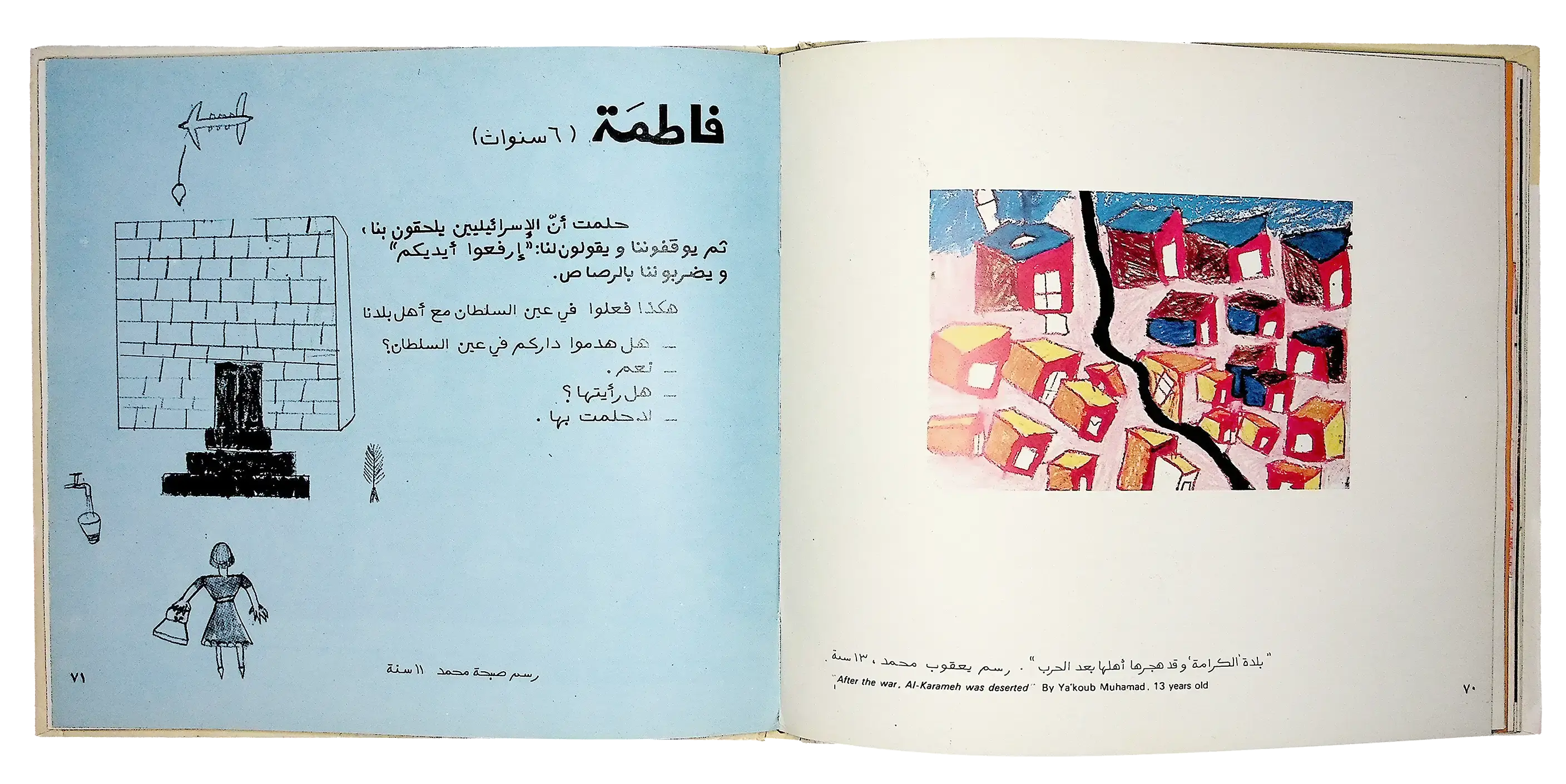
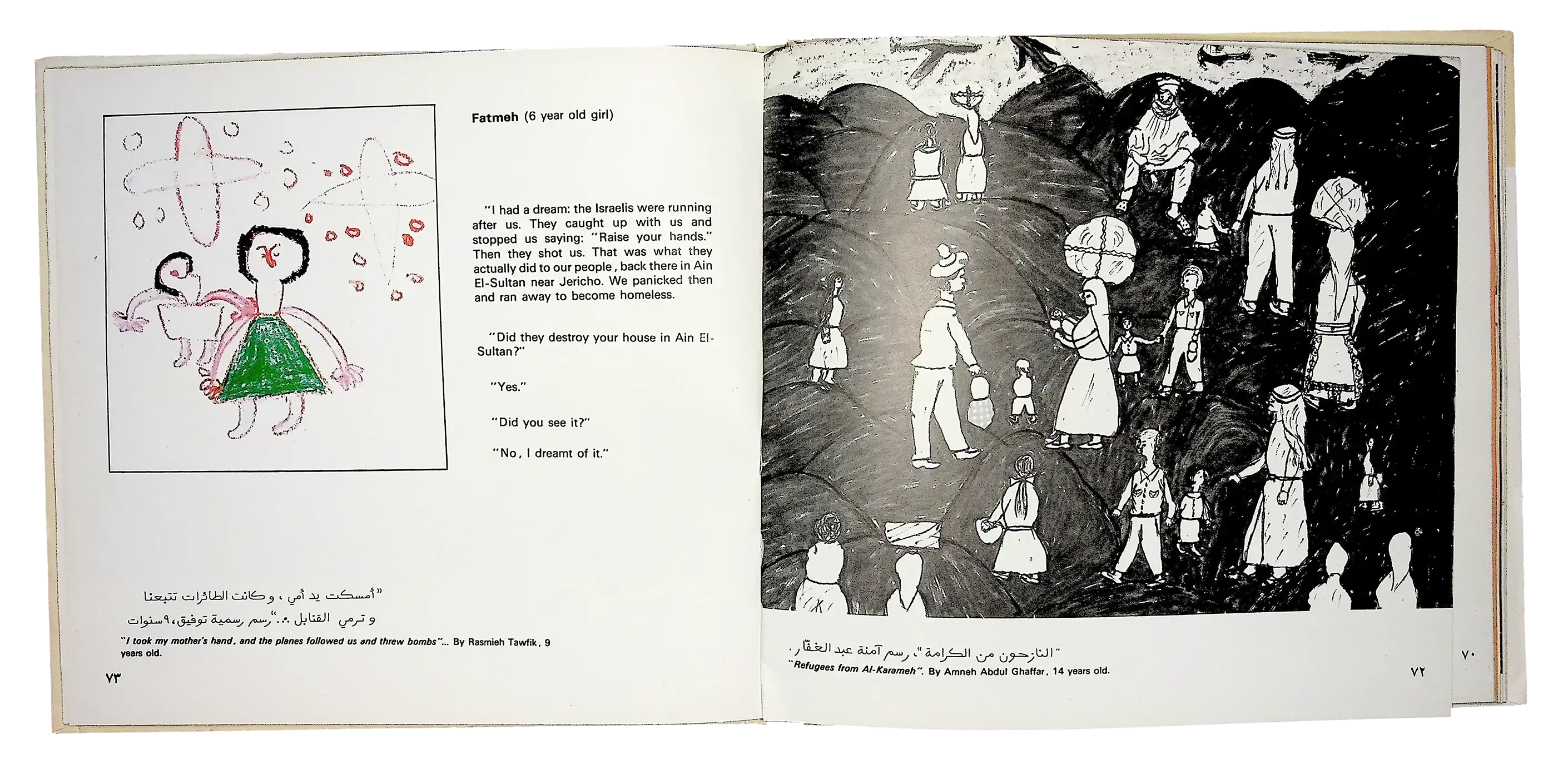
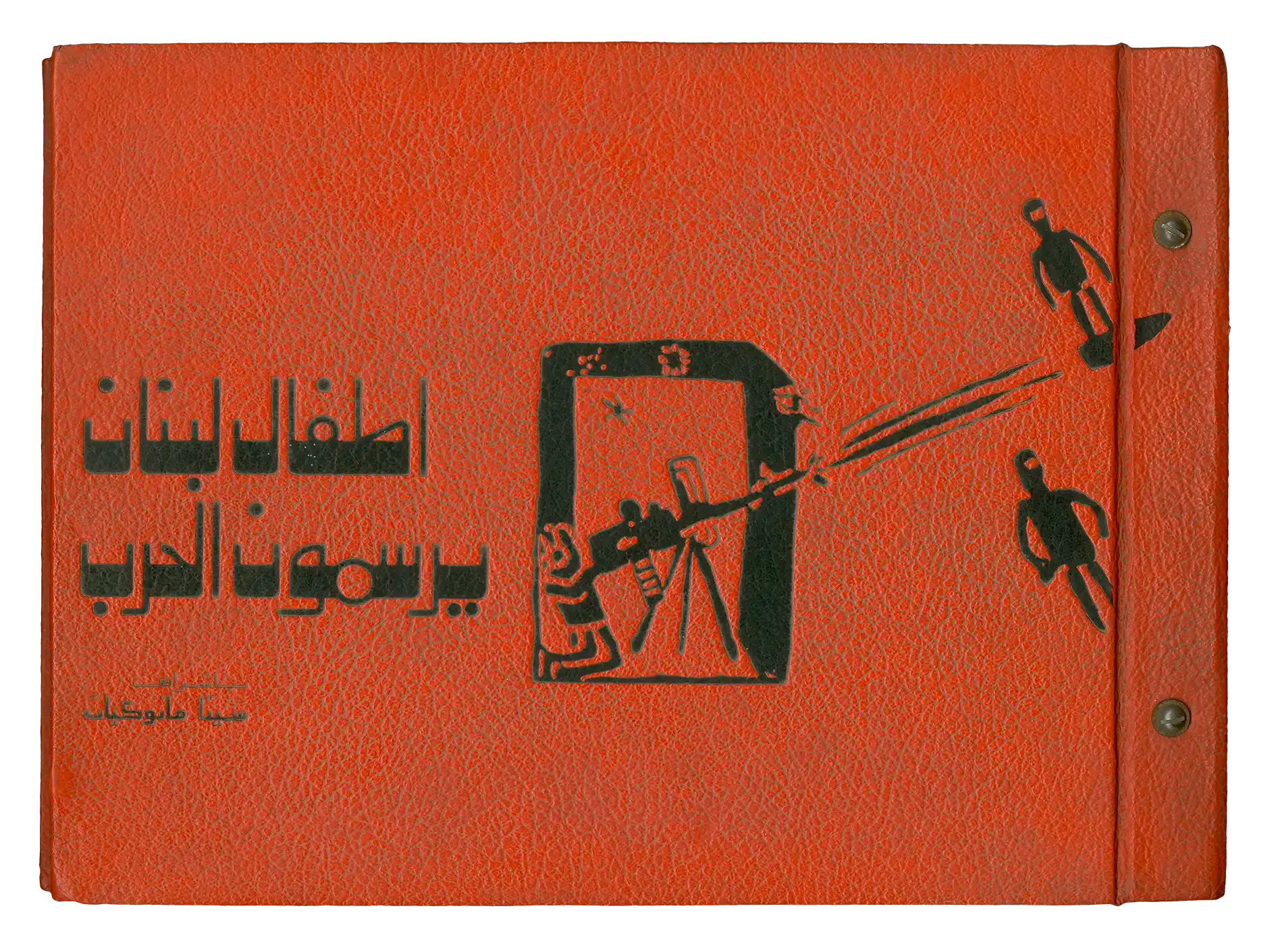
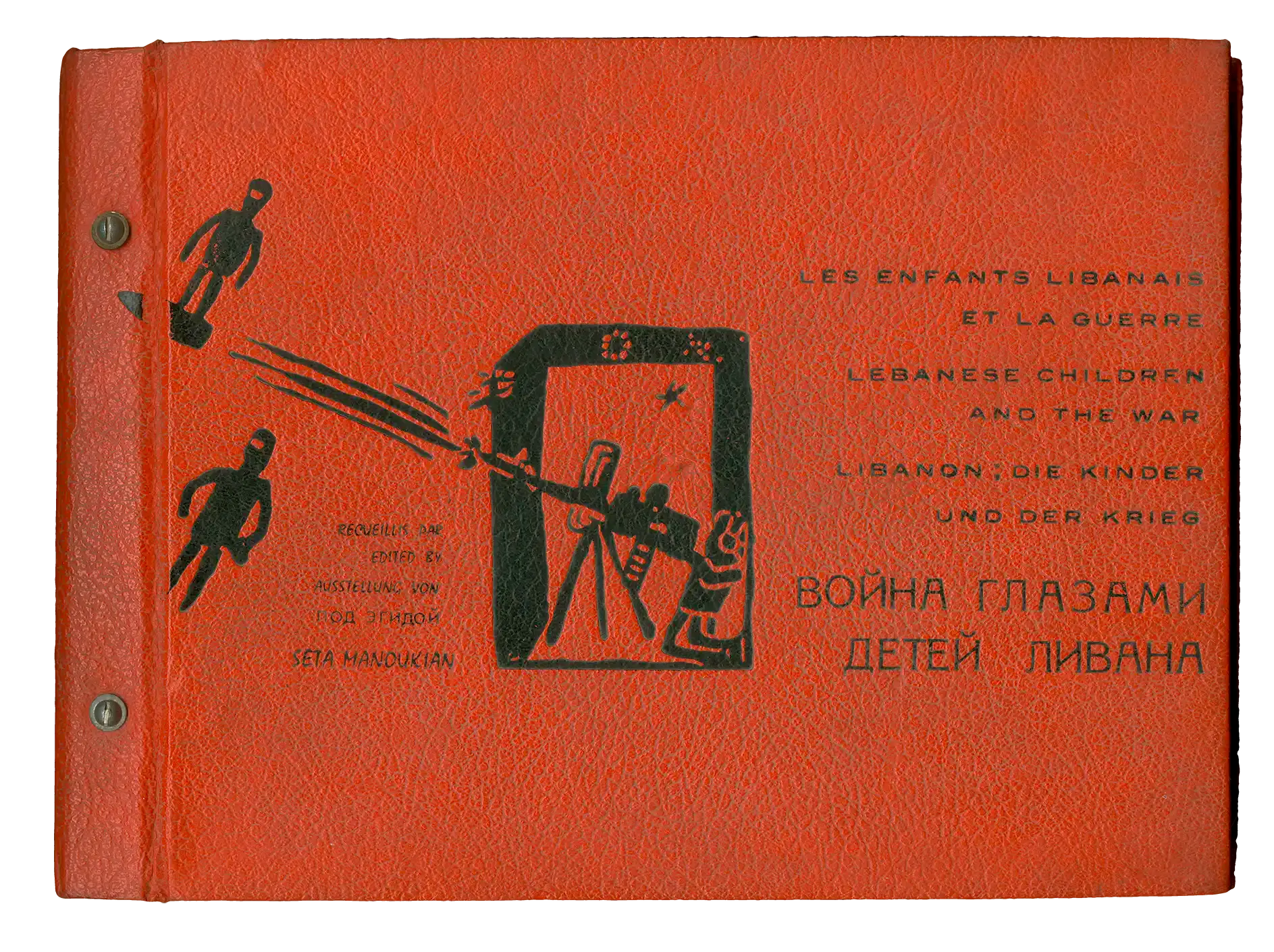
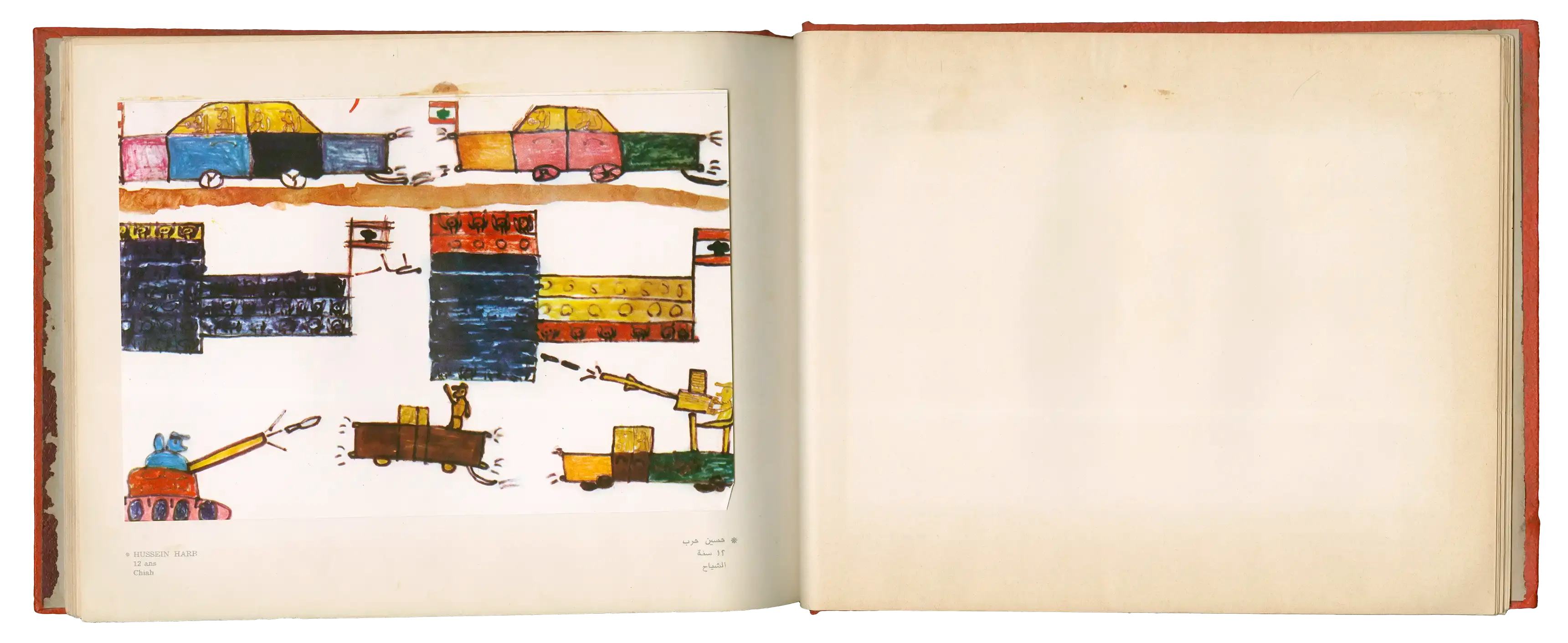
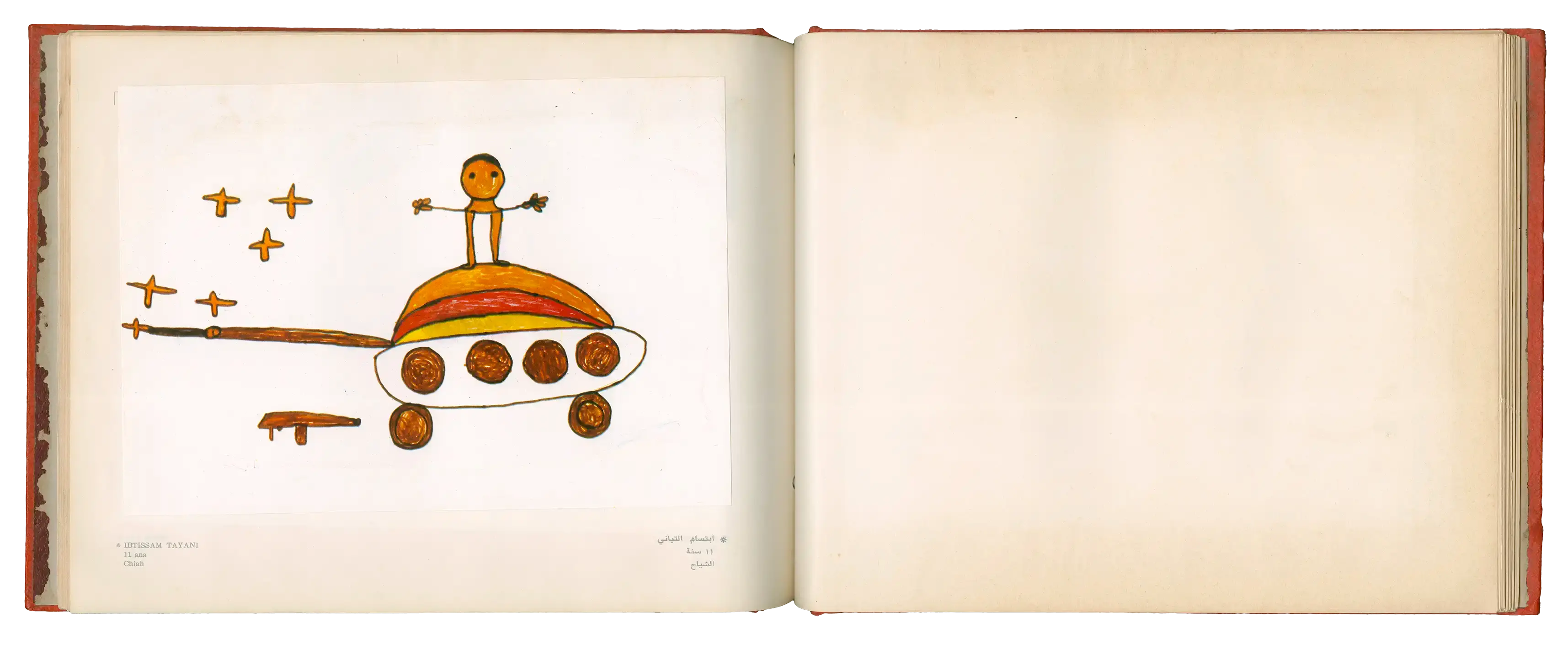
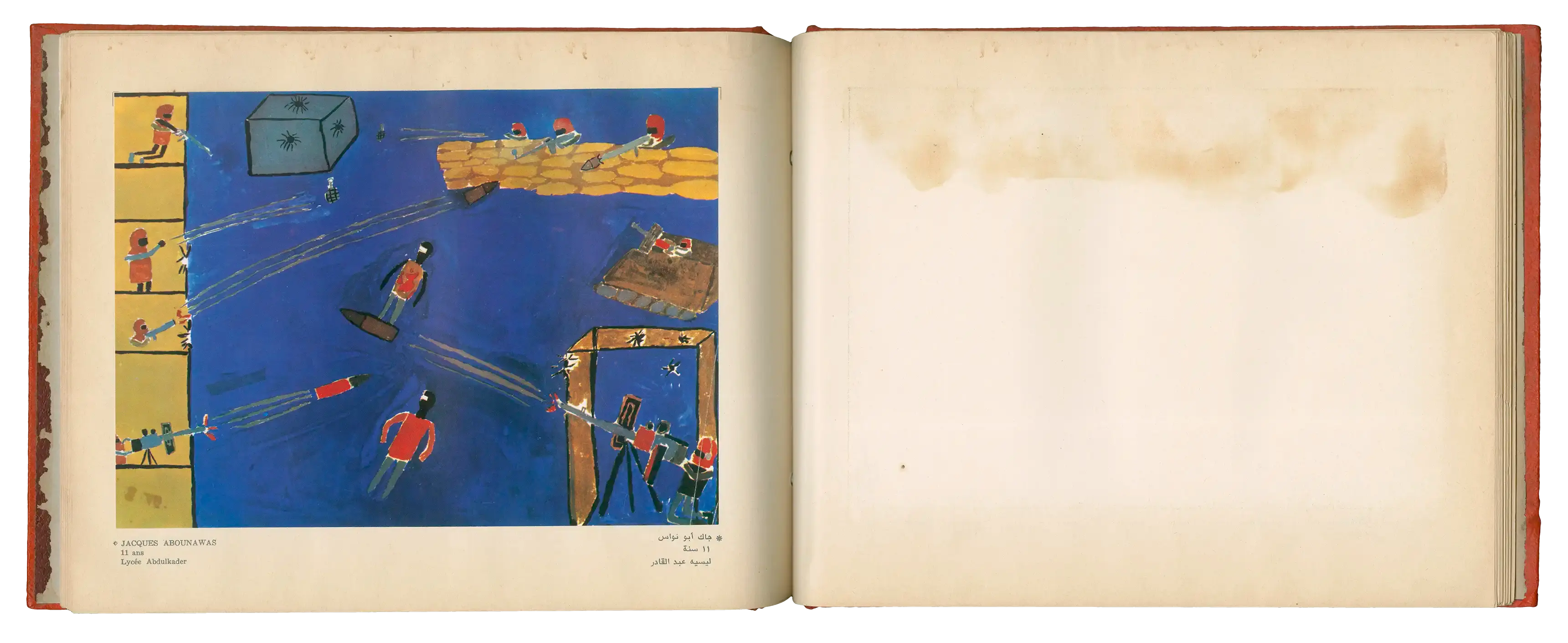
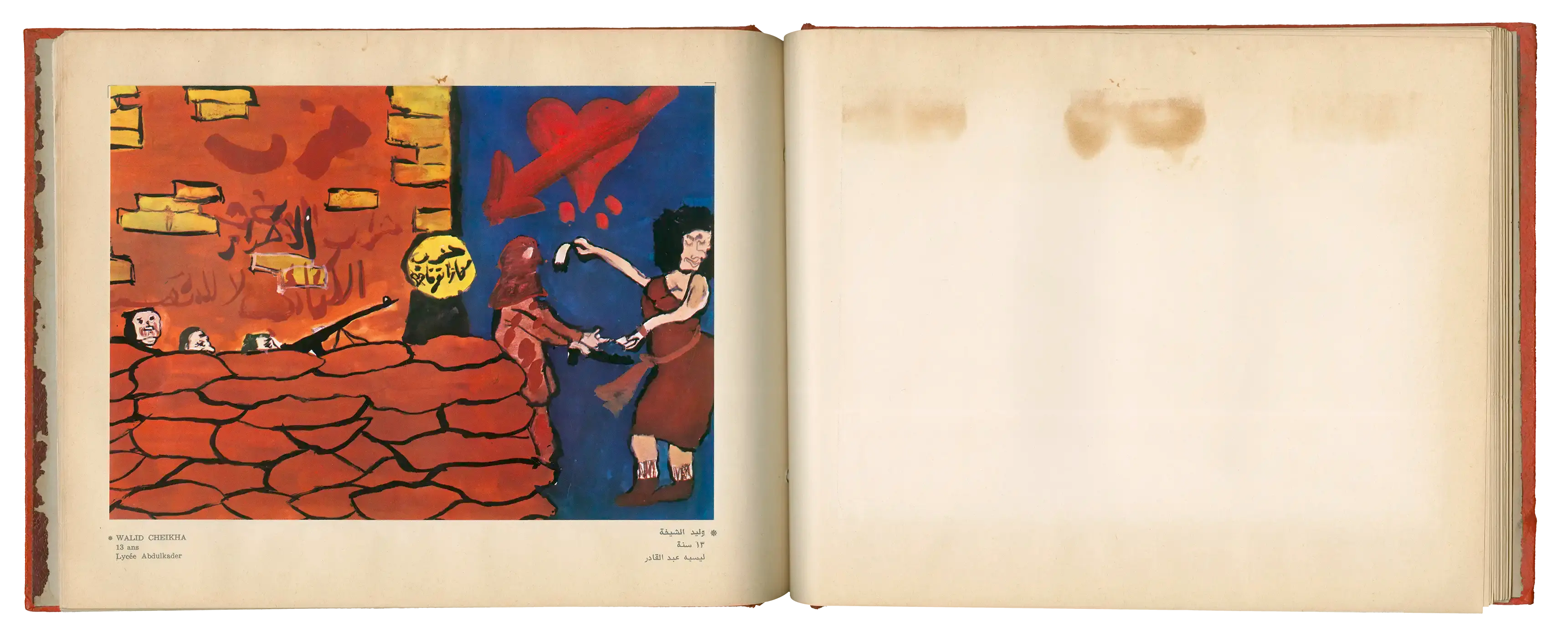
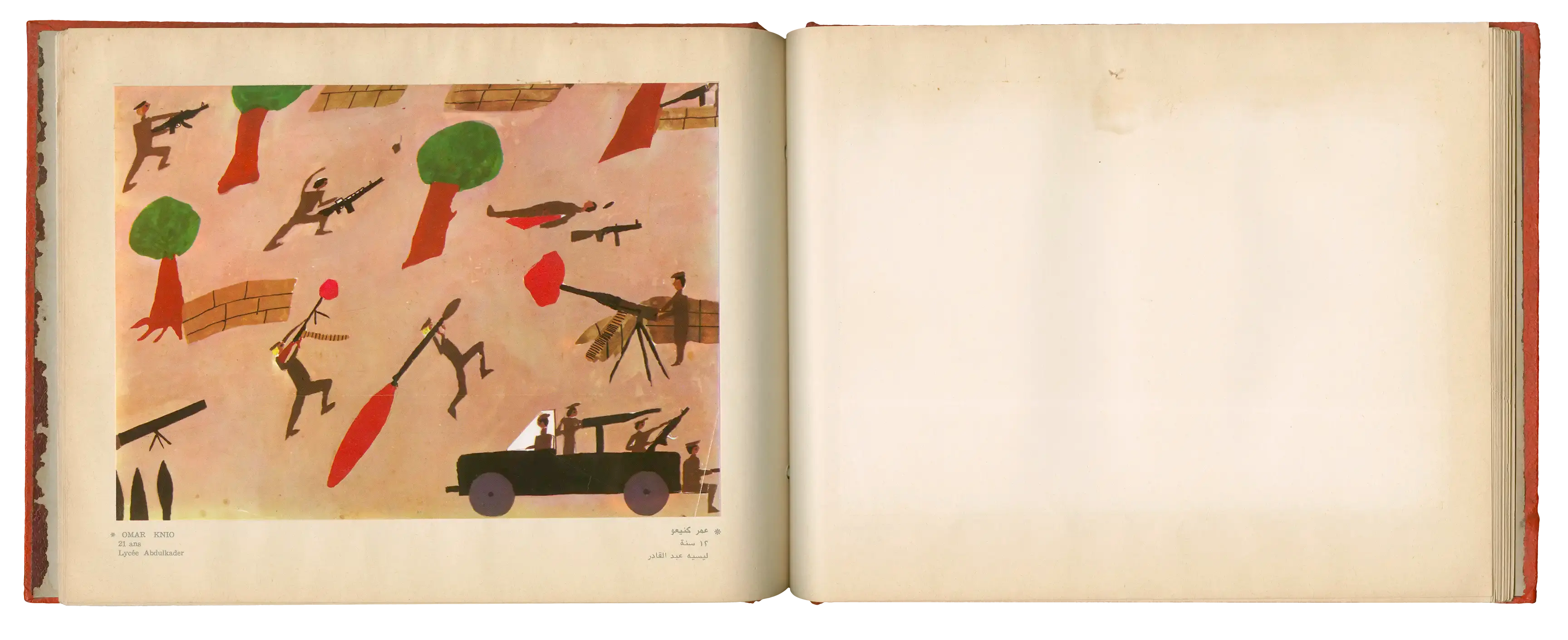
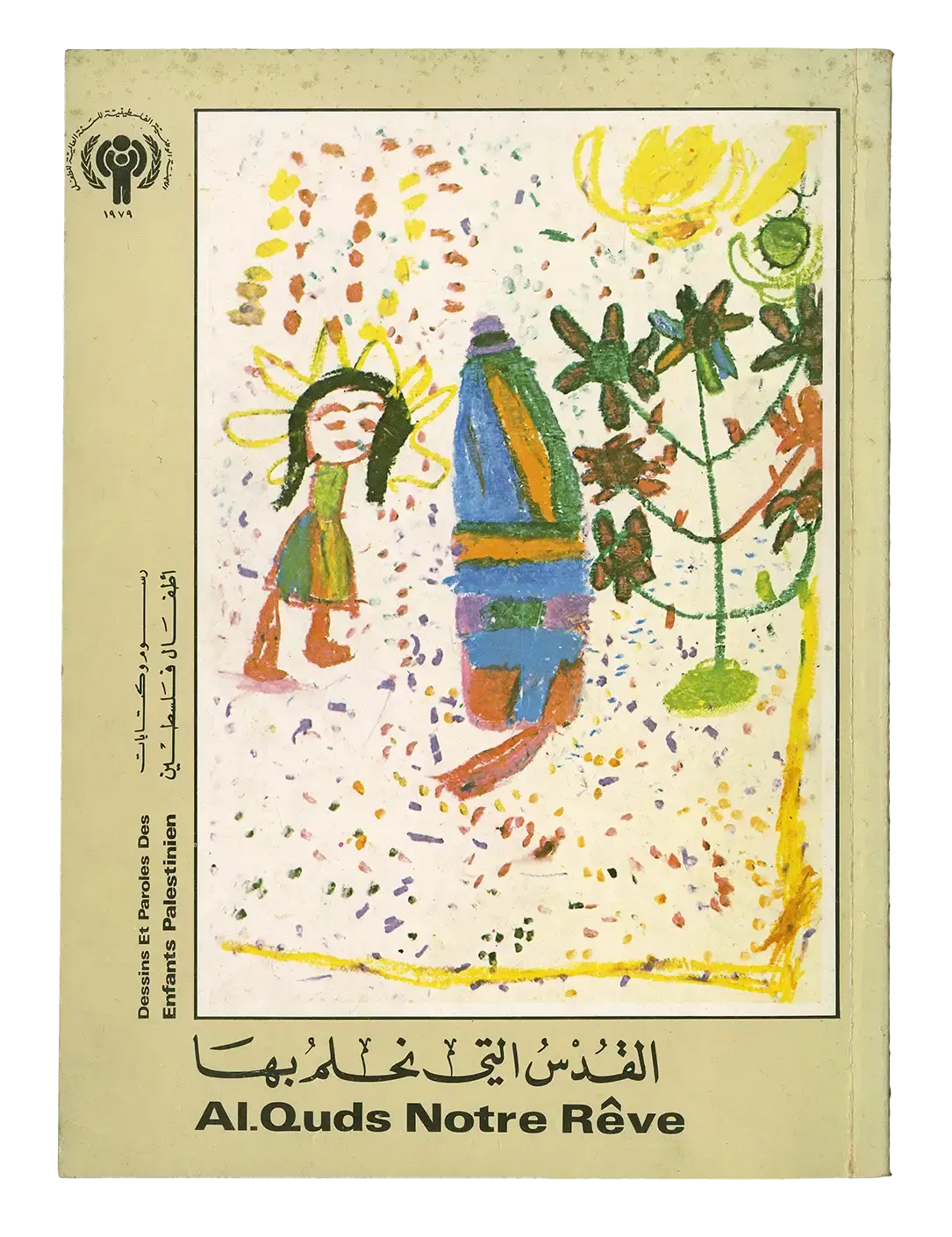
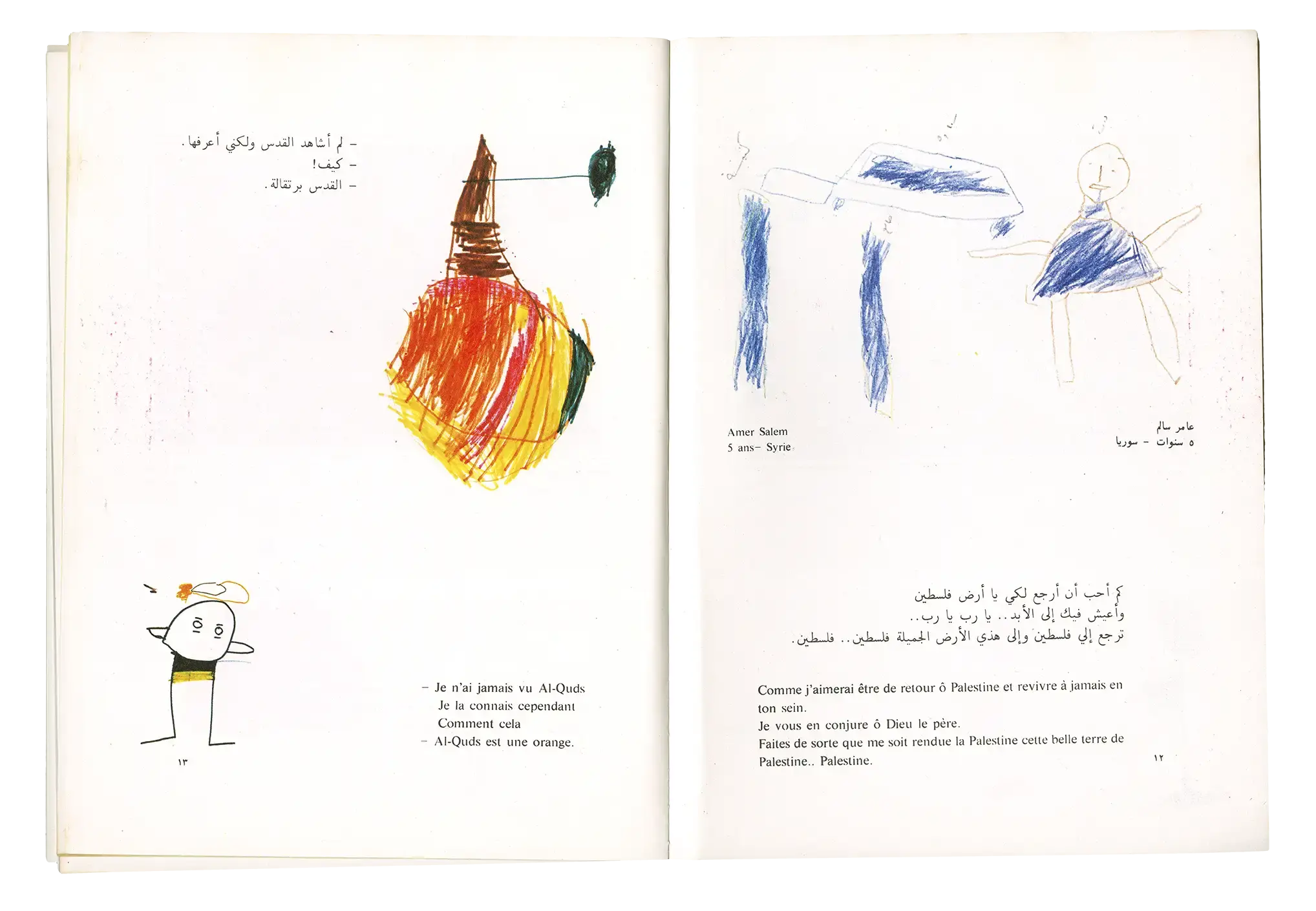
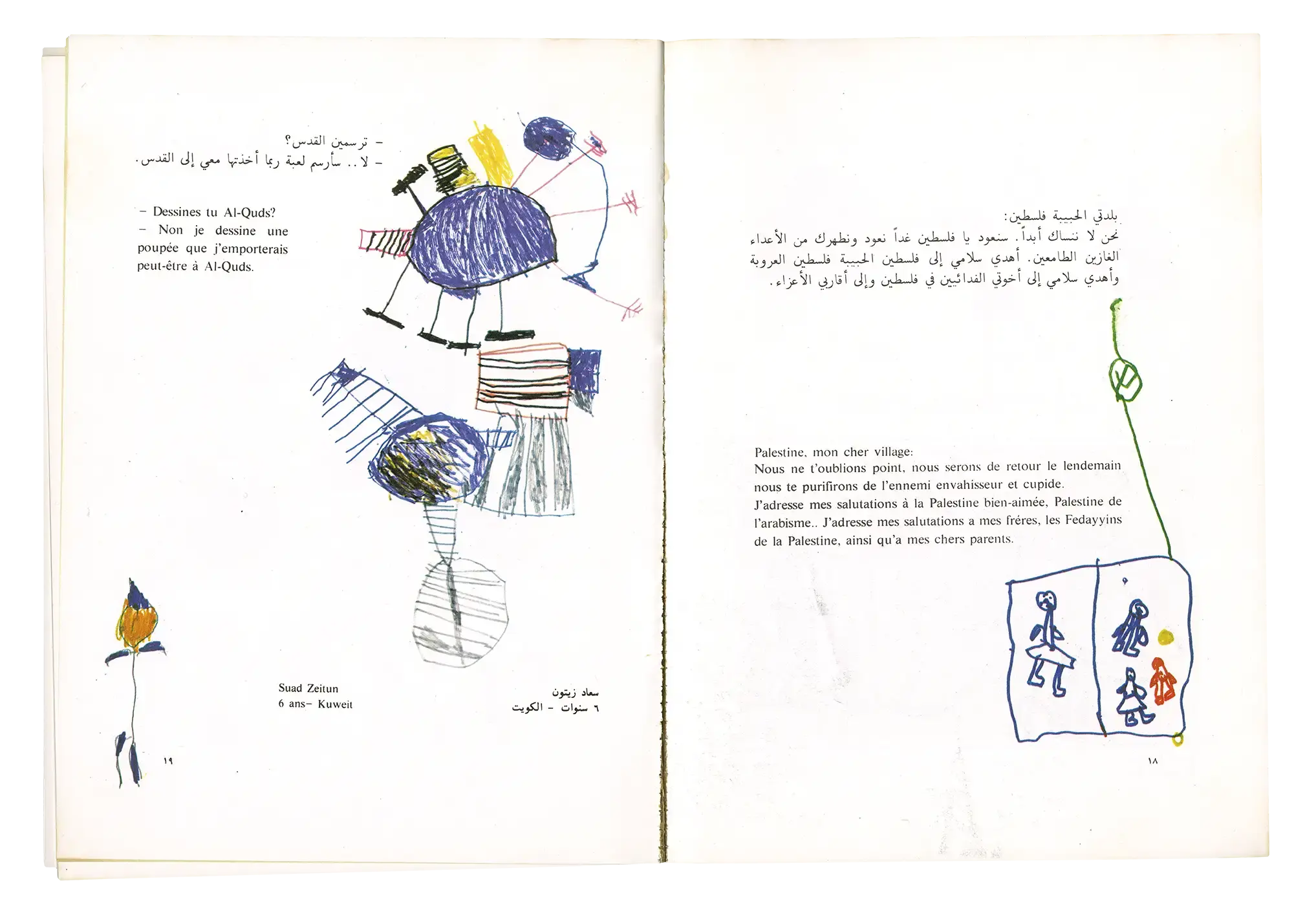
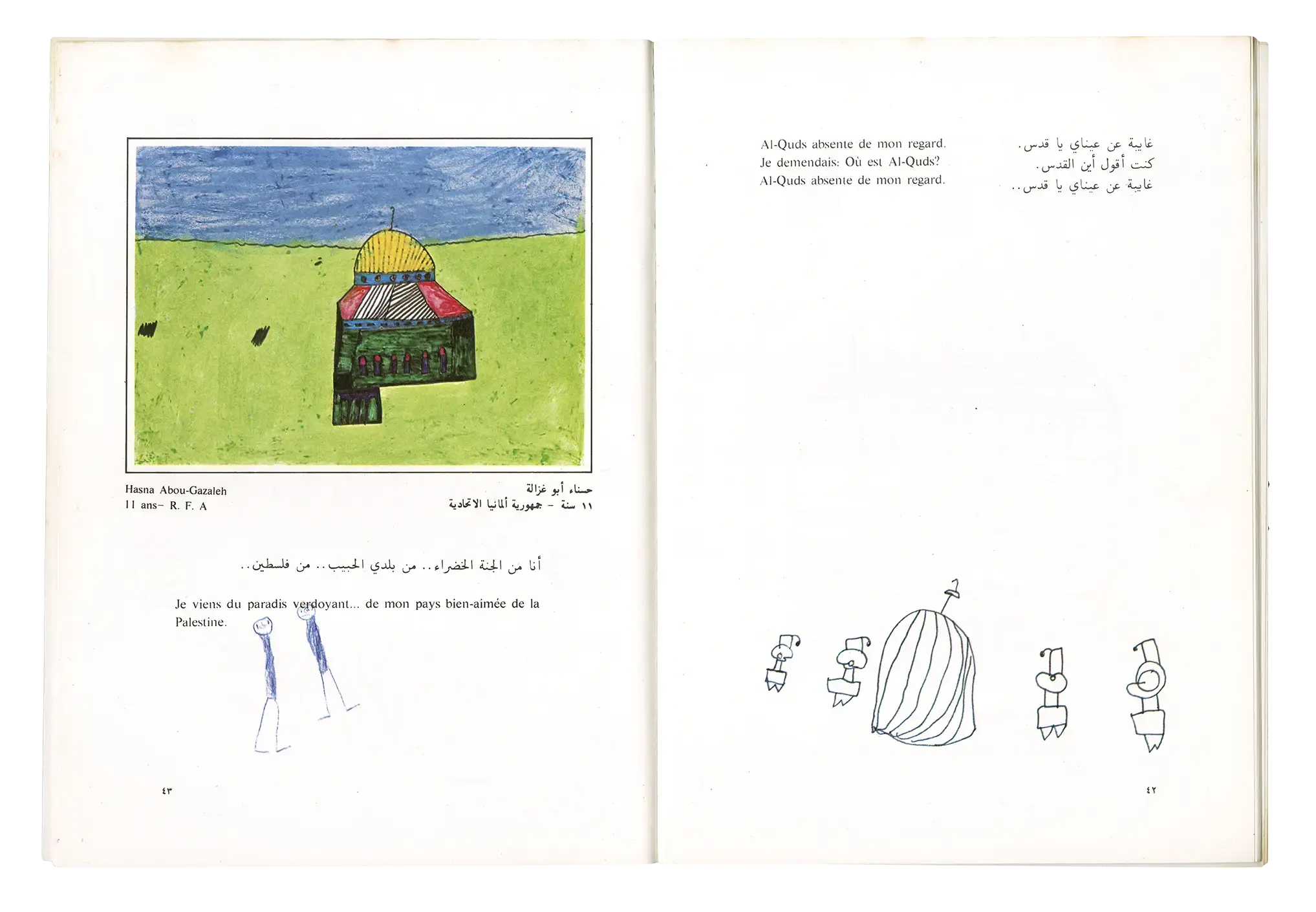
The therapeutic act of creative expression, through colour and paint, provides children with a powerful means of communication, offering a tangible record of their lifeworld and the imaginative realms they inhabit. As innocent witnesses, children give raw testimony to the violence and injustice that shape their lives during wartime. Their drawings, compiled into books, reveal stark and unsettling viewing/reading experiences.
Warplanes, wretched refugee camps, bombed homes, machine guns, death, and fear are everyday life scenes mediated through a child’s eyes, haunting their imagination and shaping their understanding of the world.
The reader is confronted with the duality of a child’s innocent, colourful drawings and the harsh violence that challenges this very innocence. It is the affective and documentary tension within the visual narratives of these books that makes for their testimonial power.